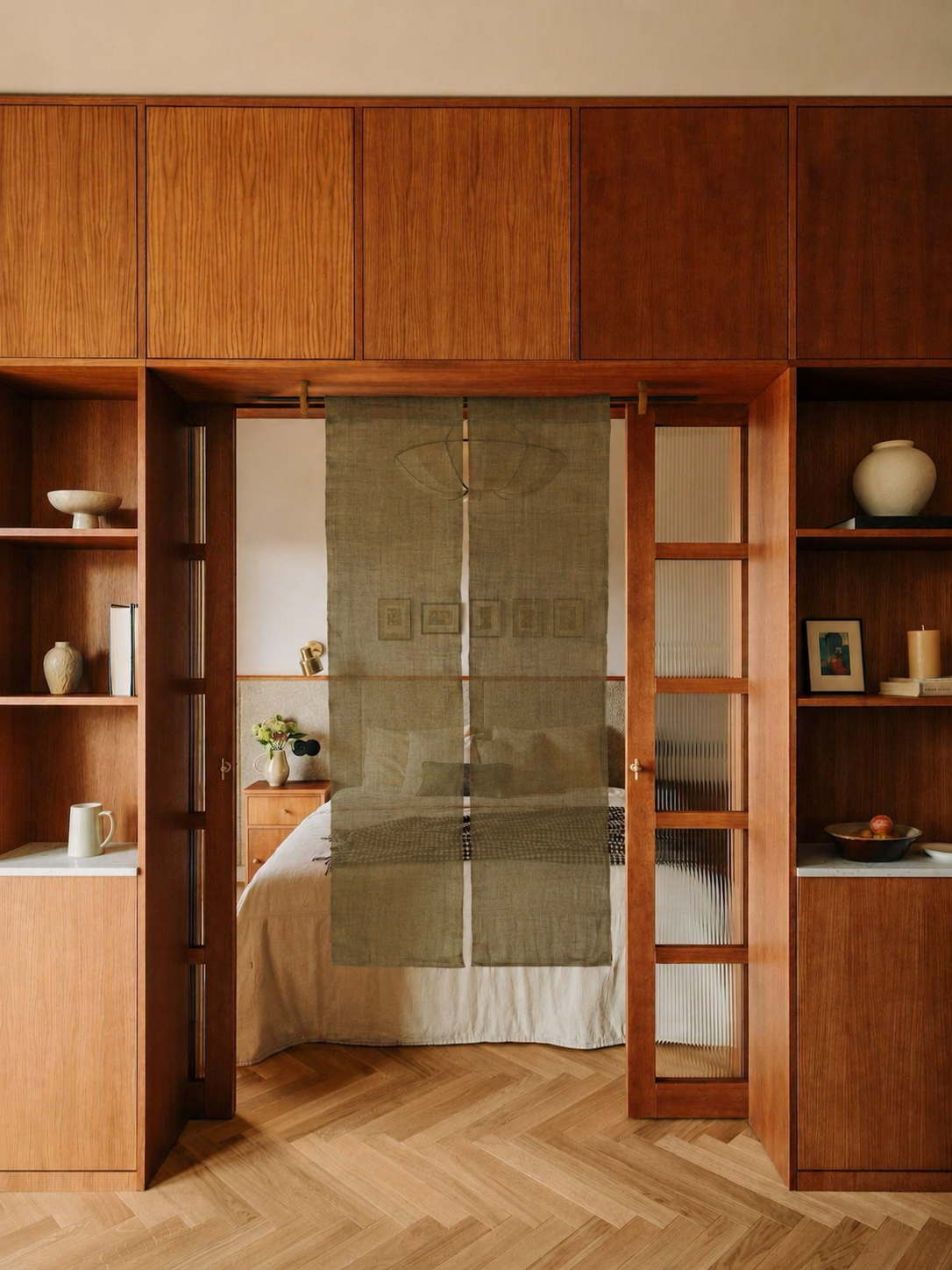
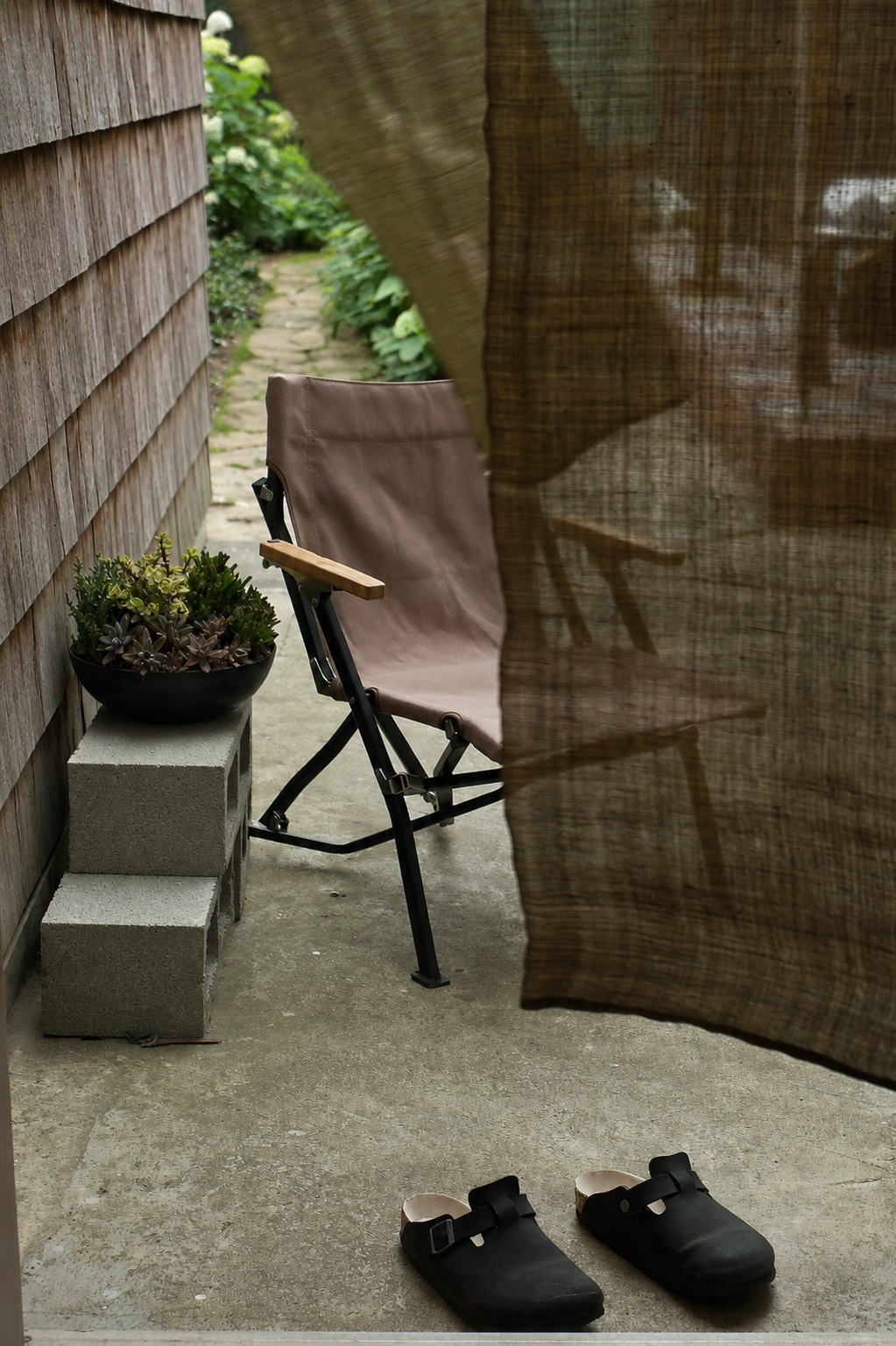
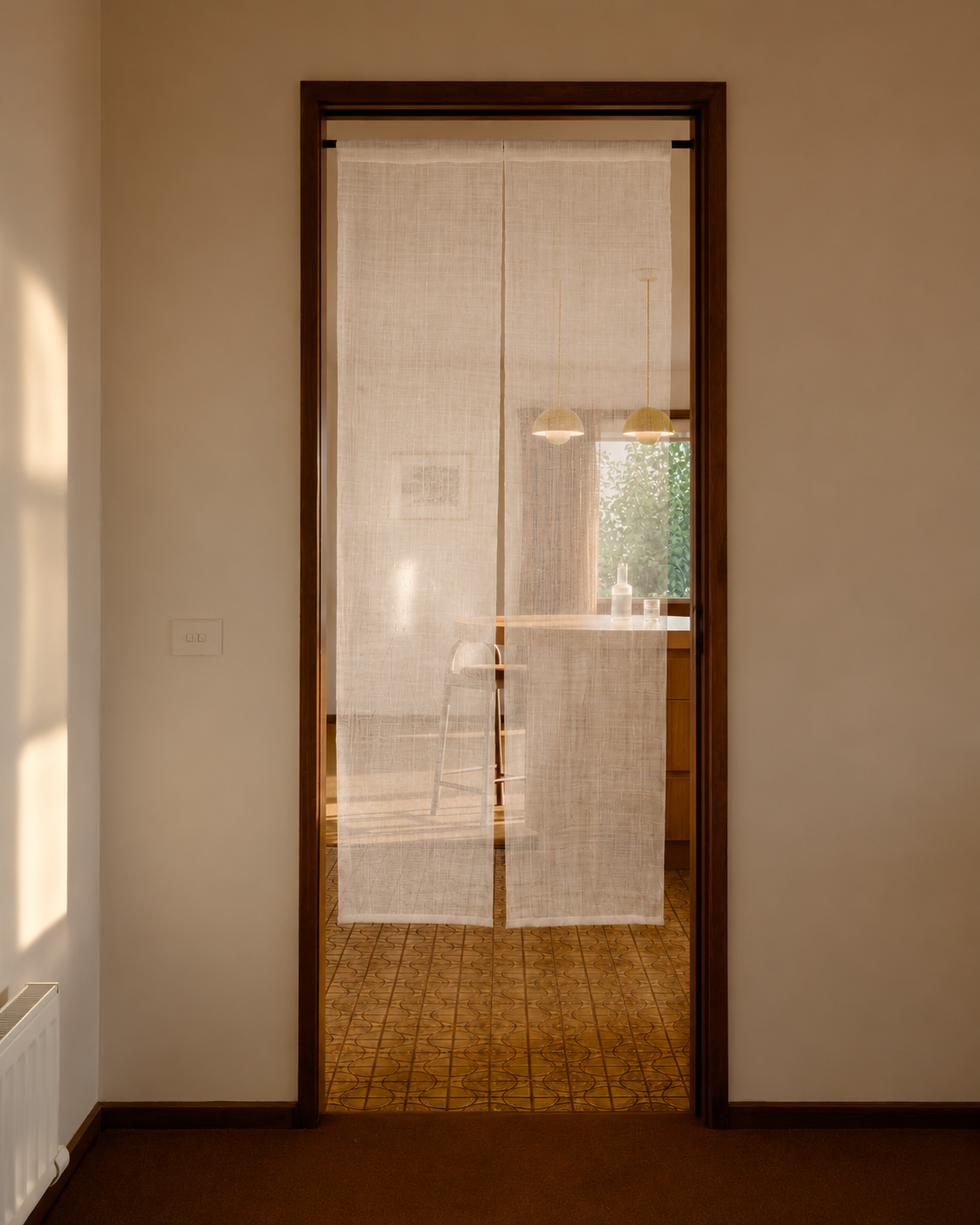
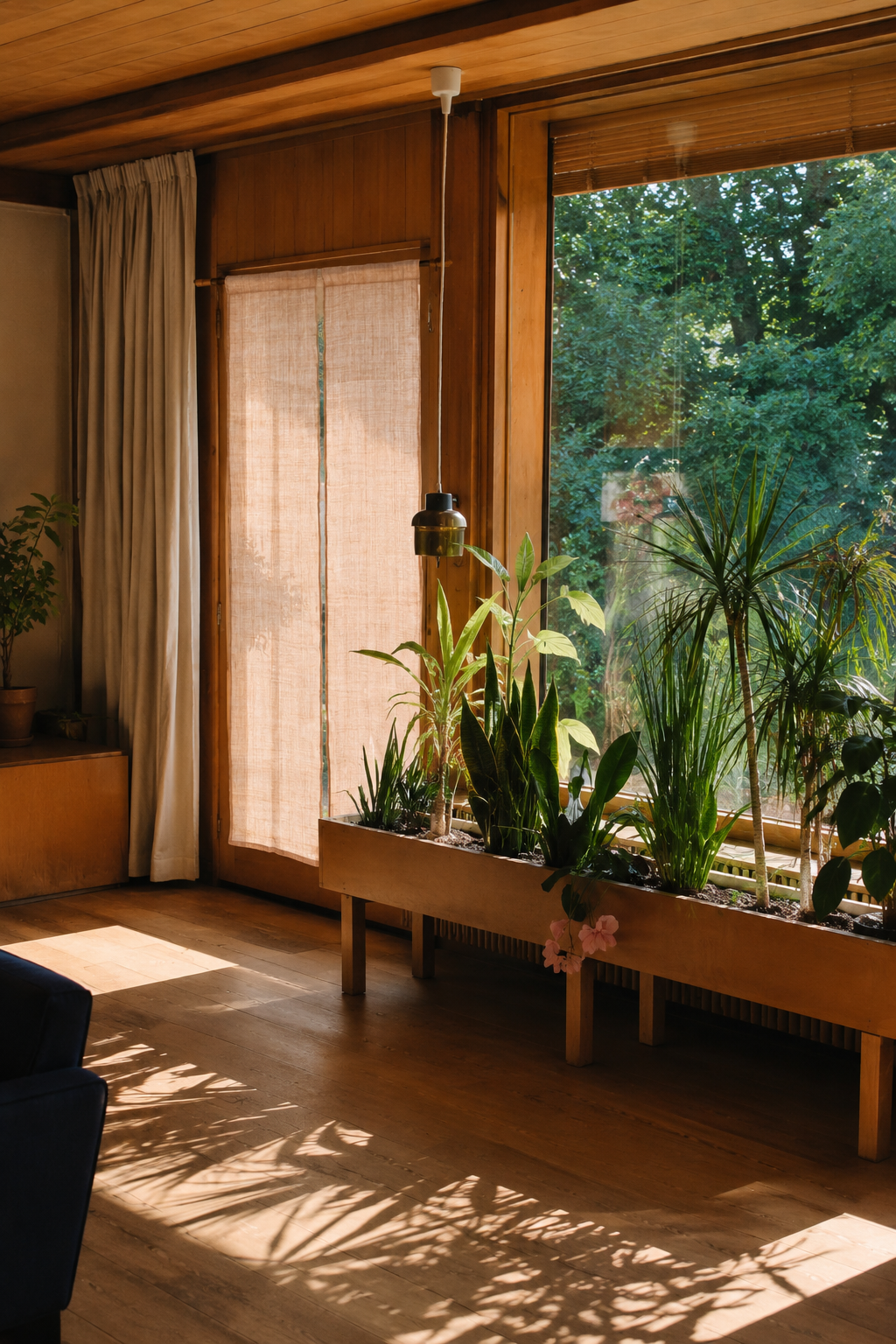
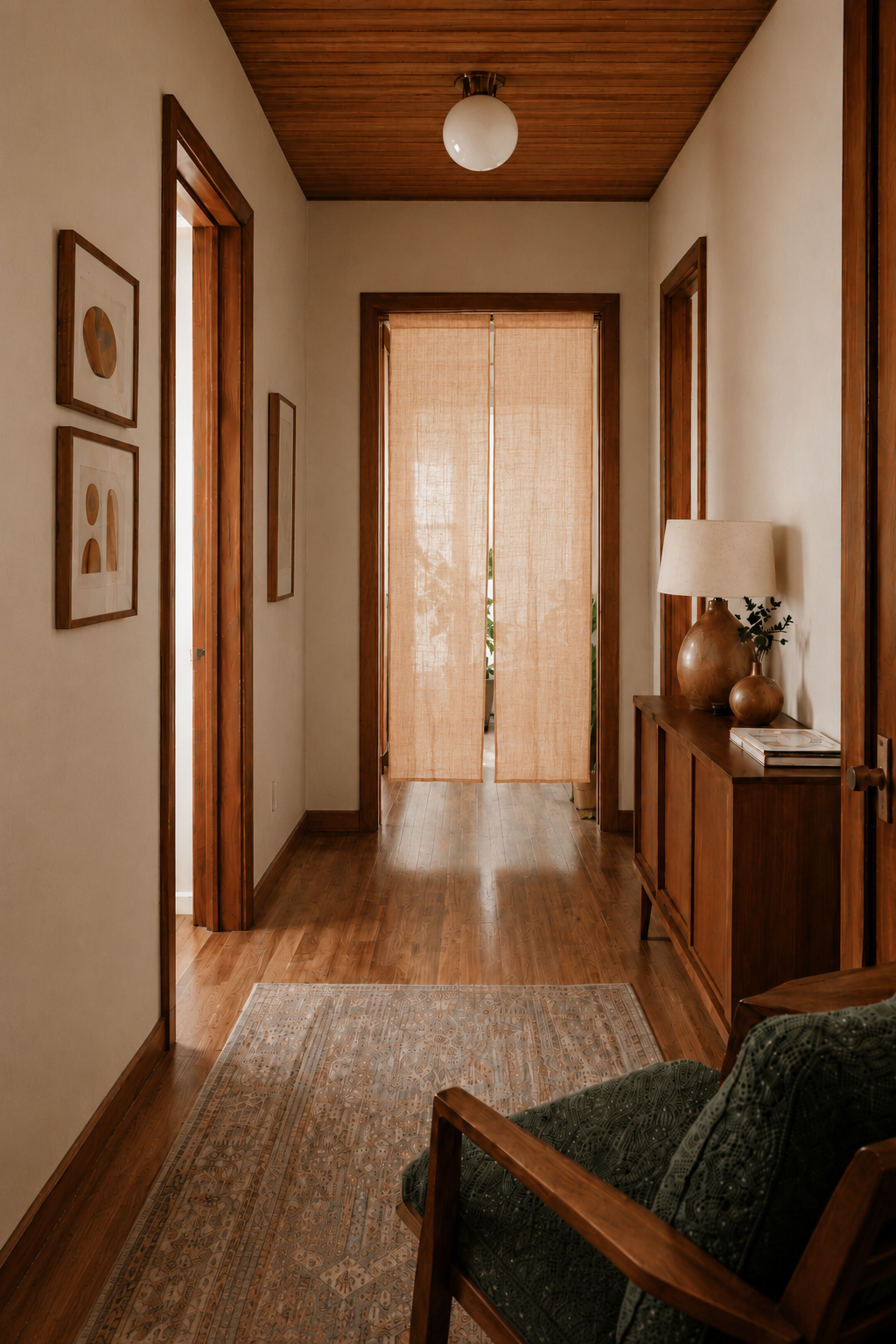
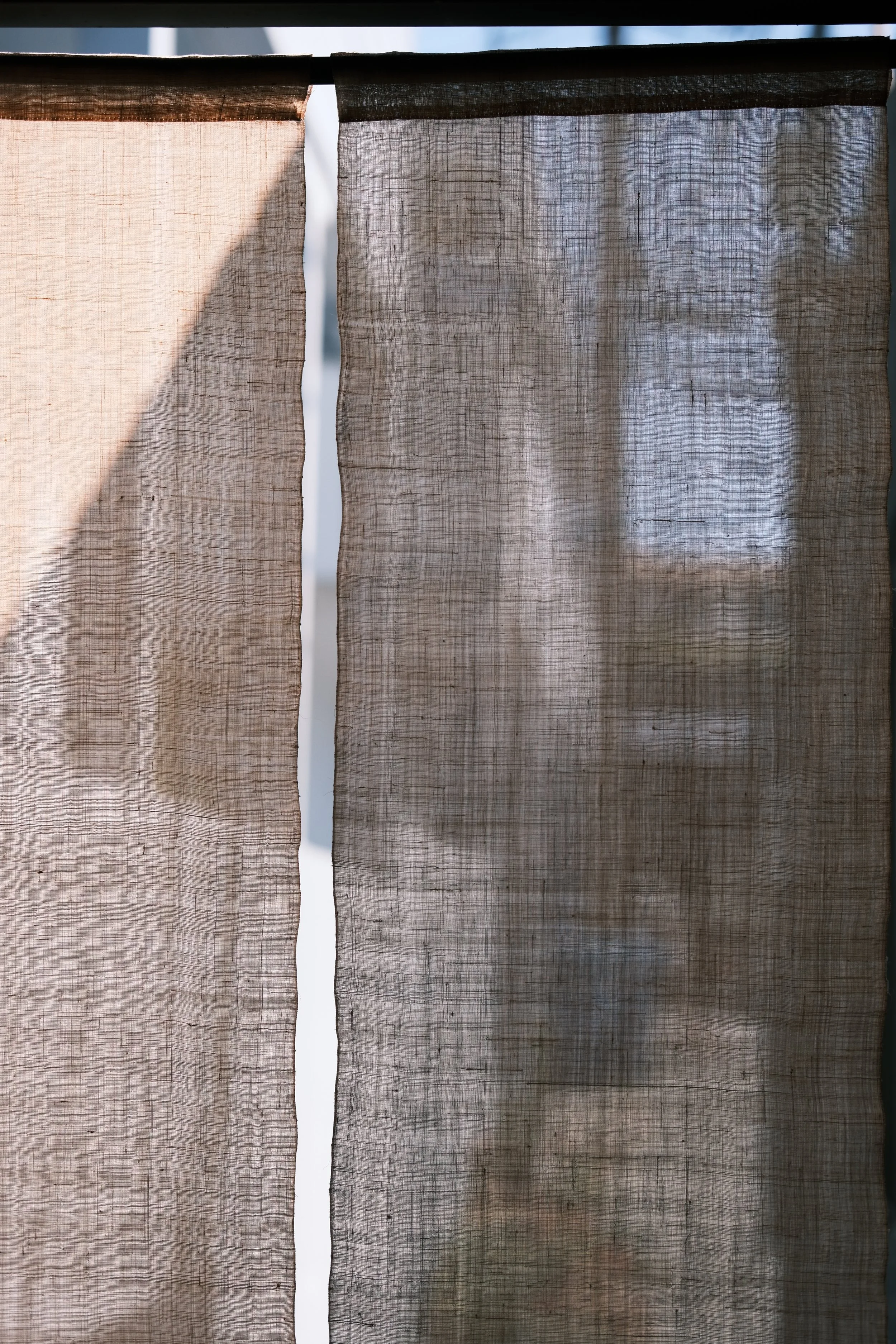
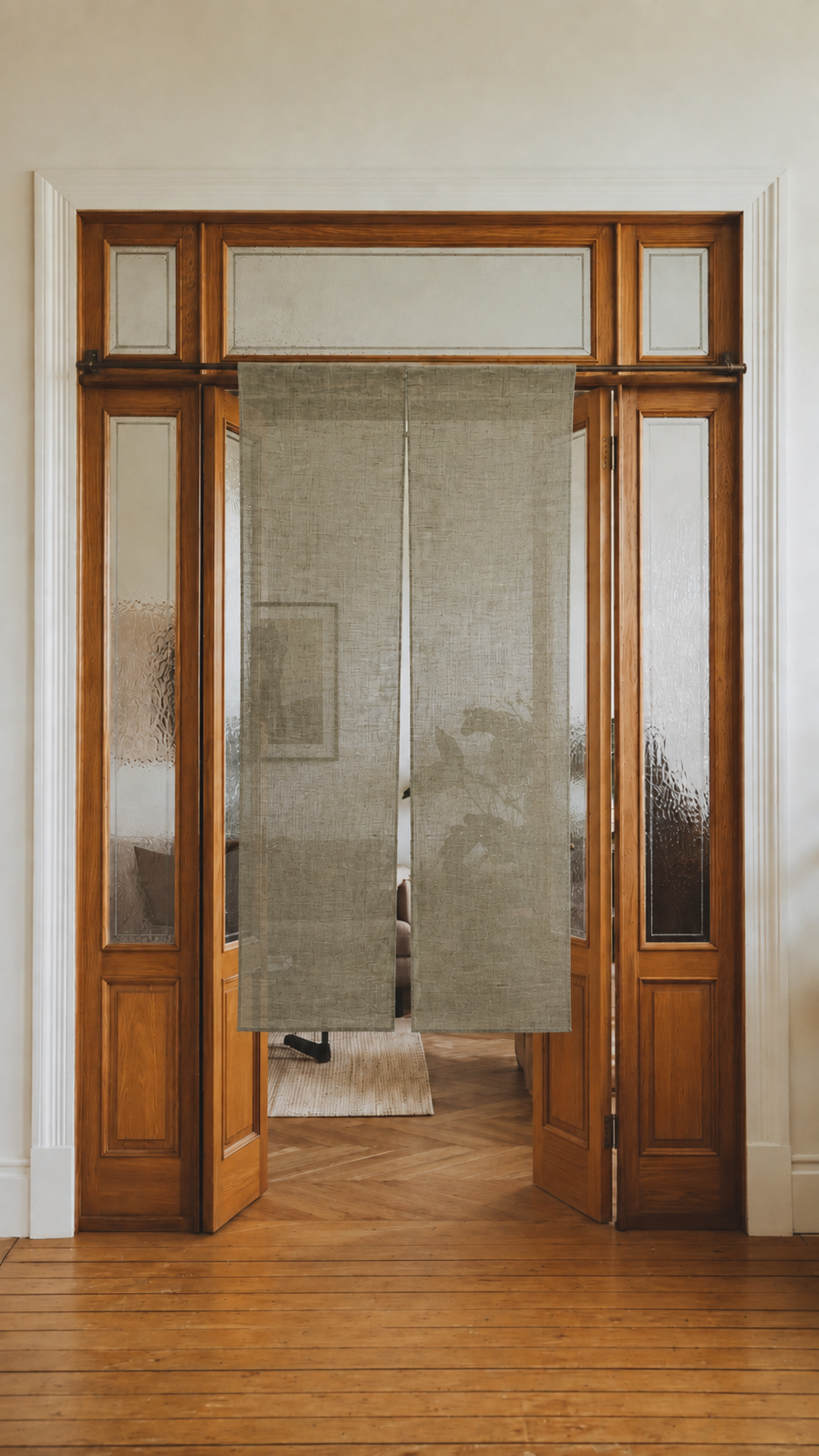
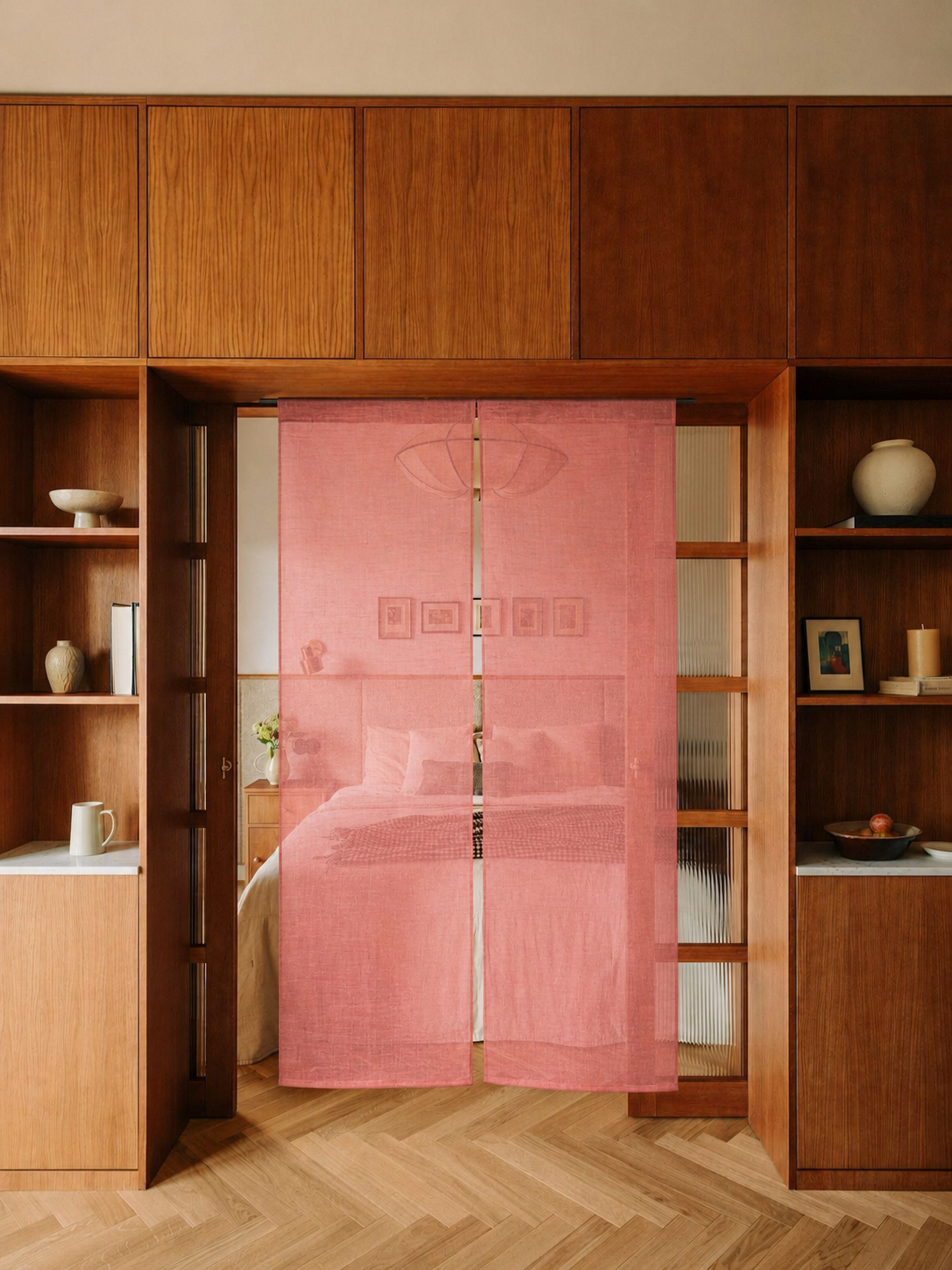
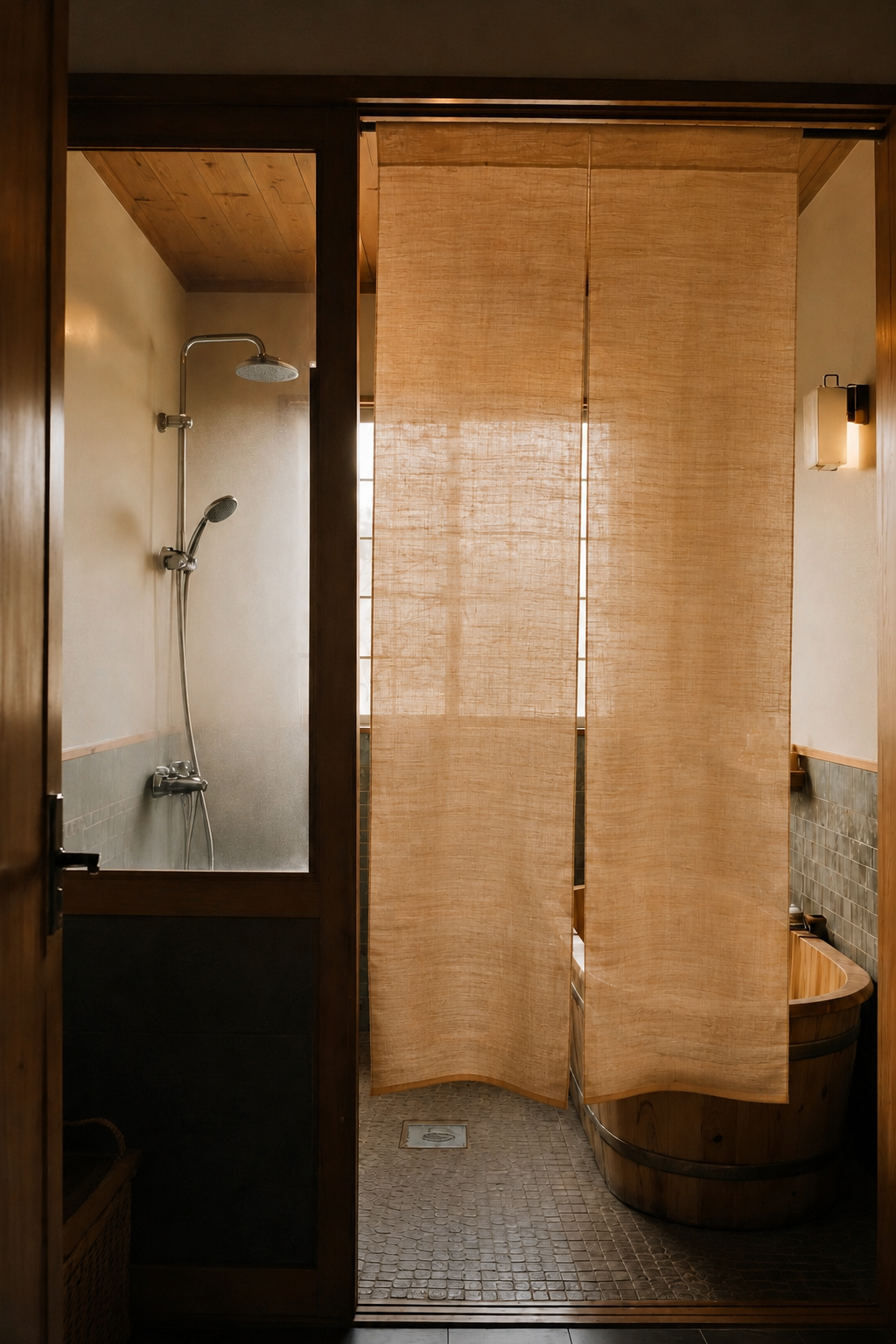
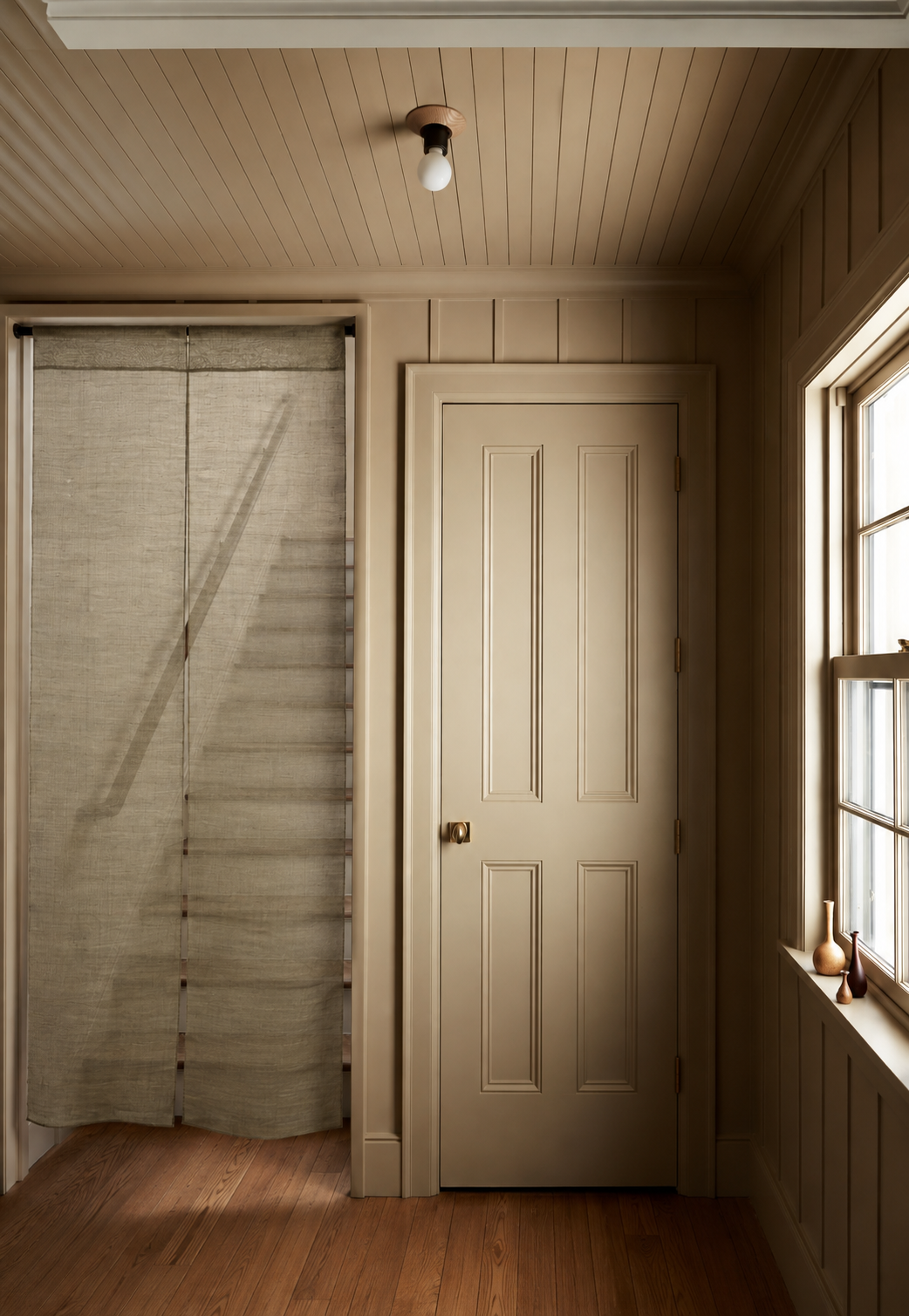
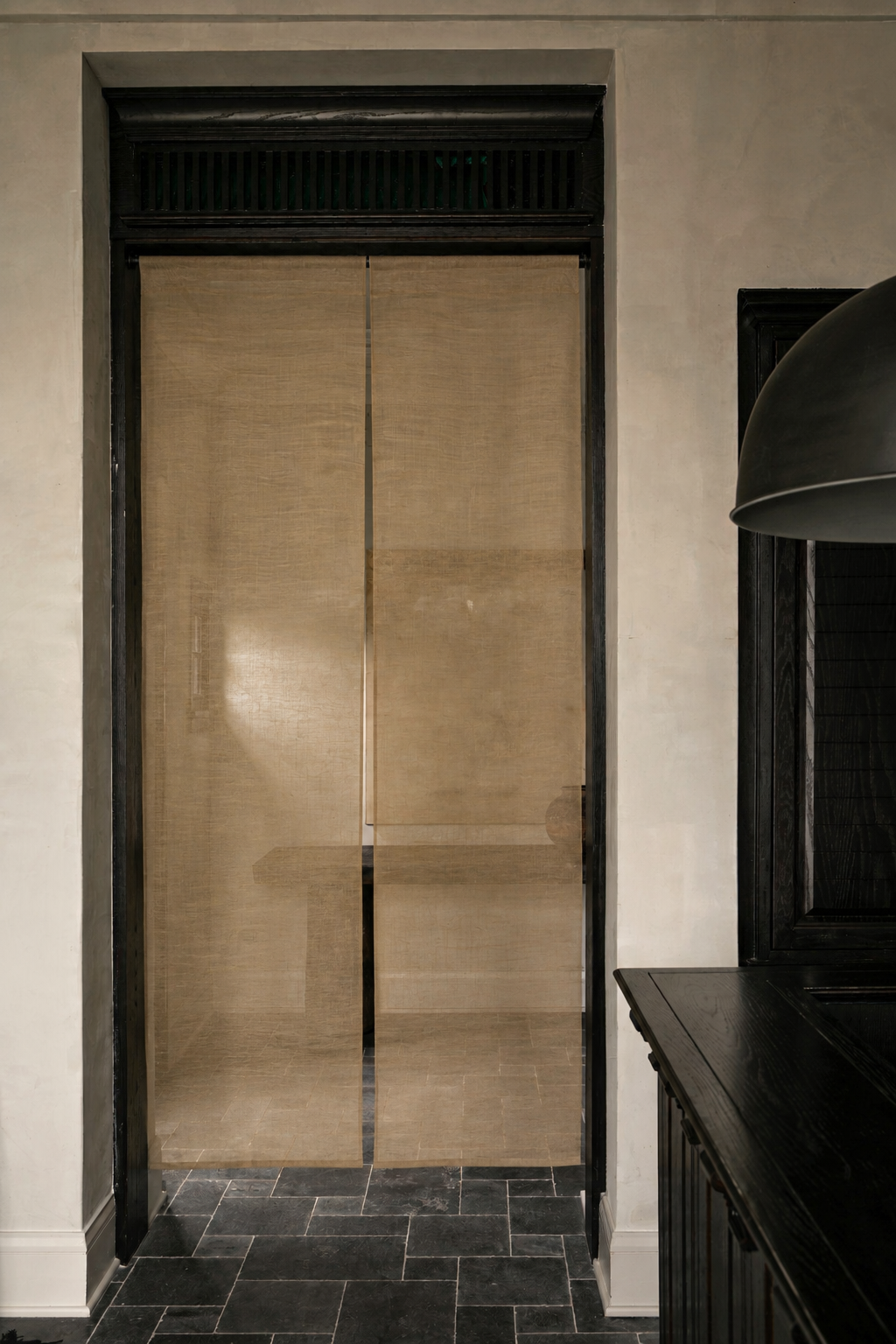
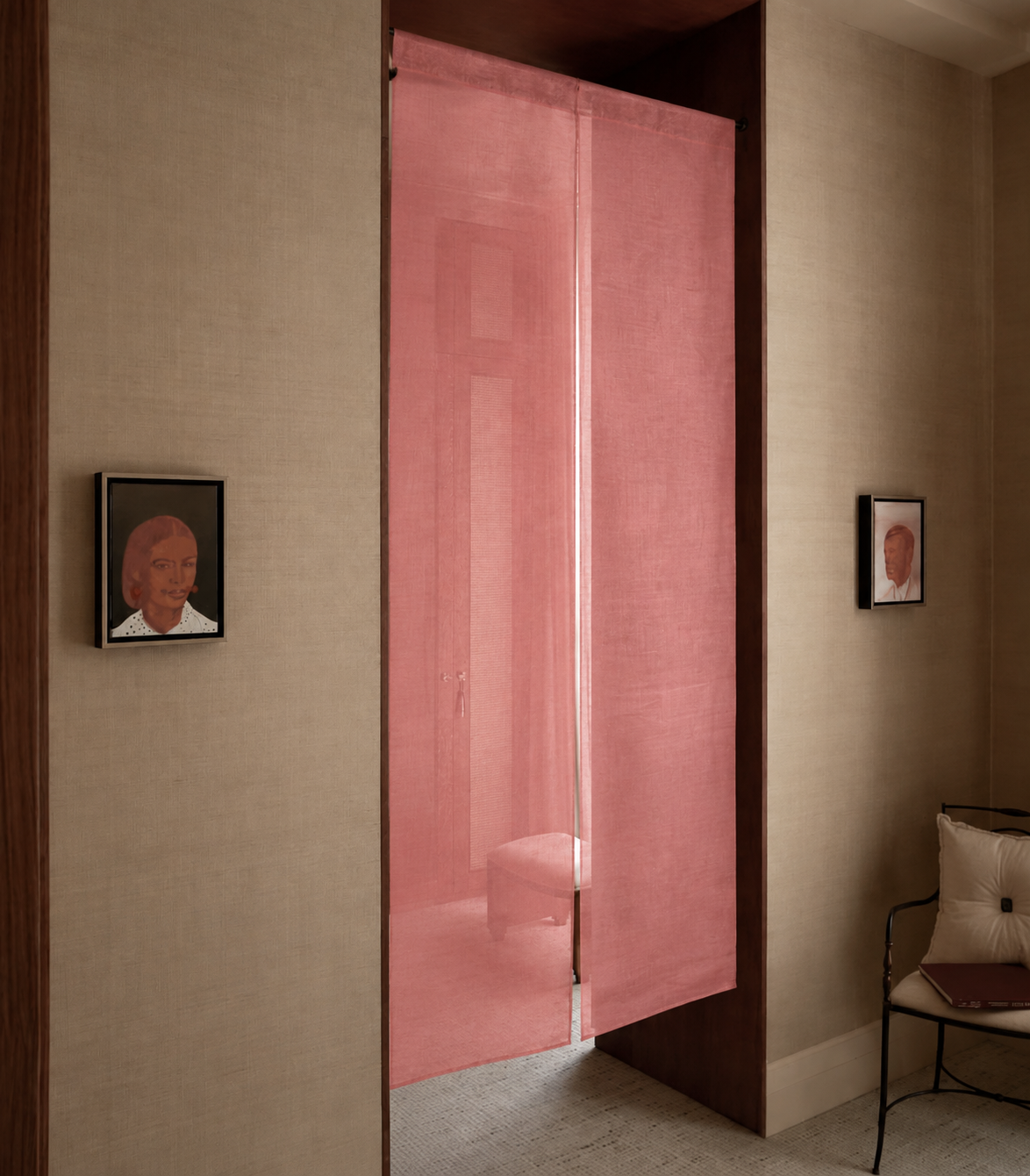
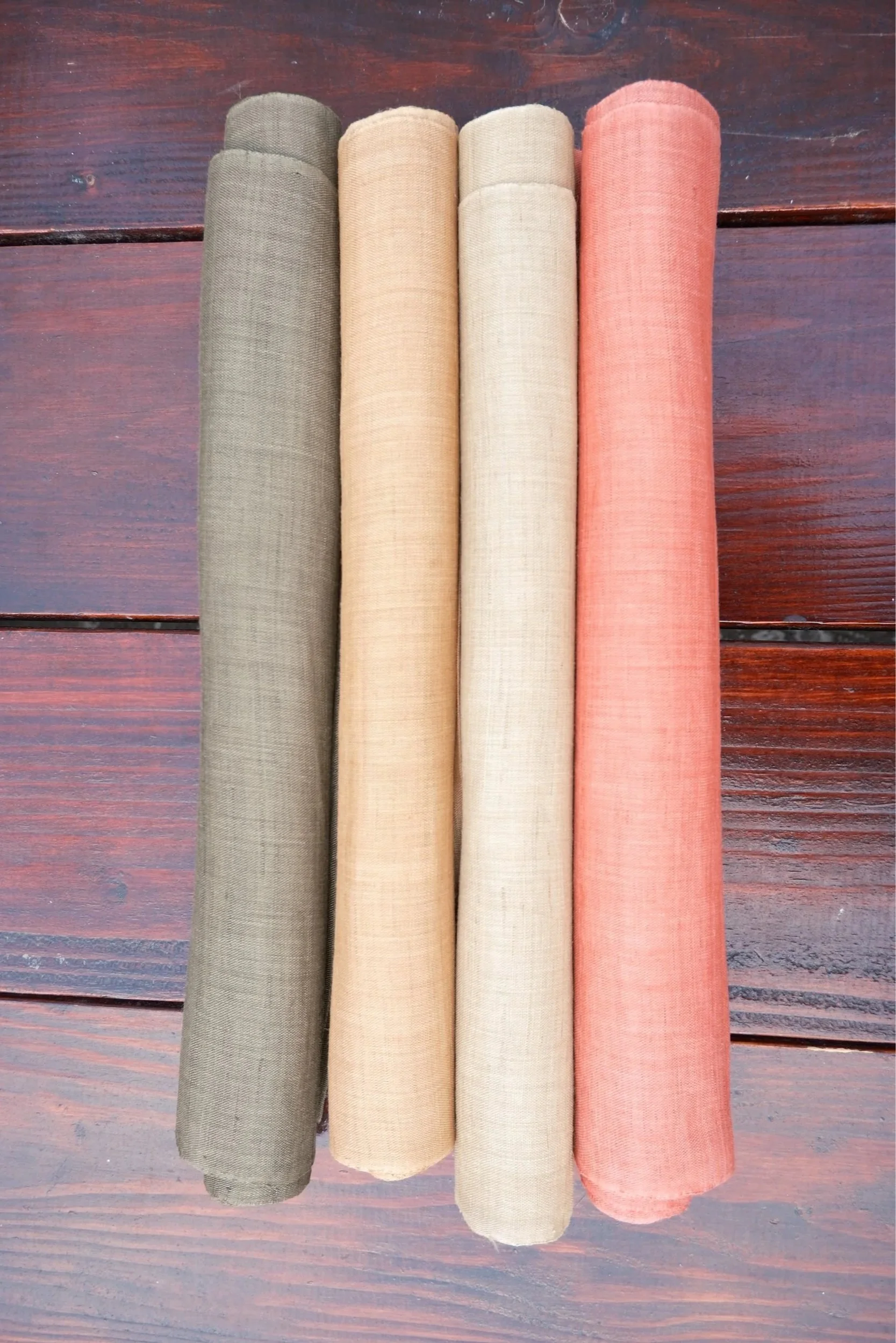
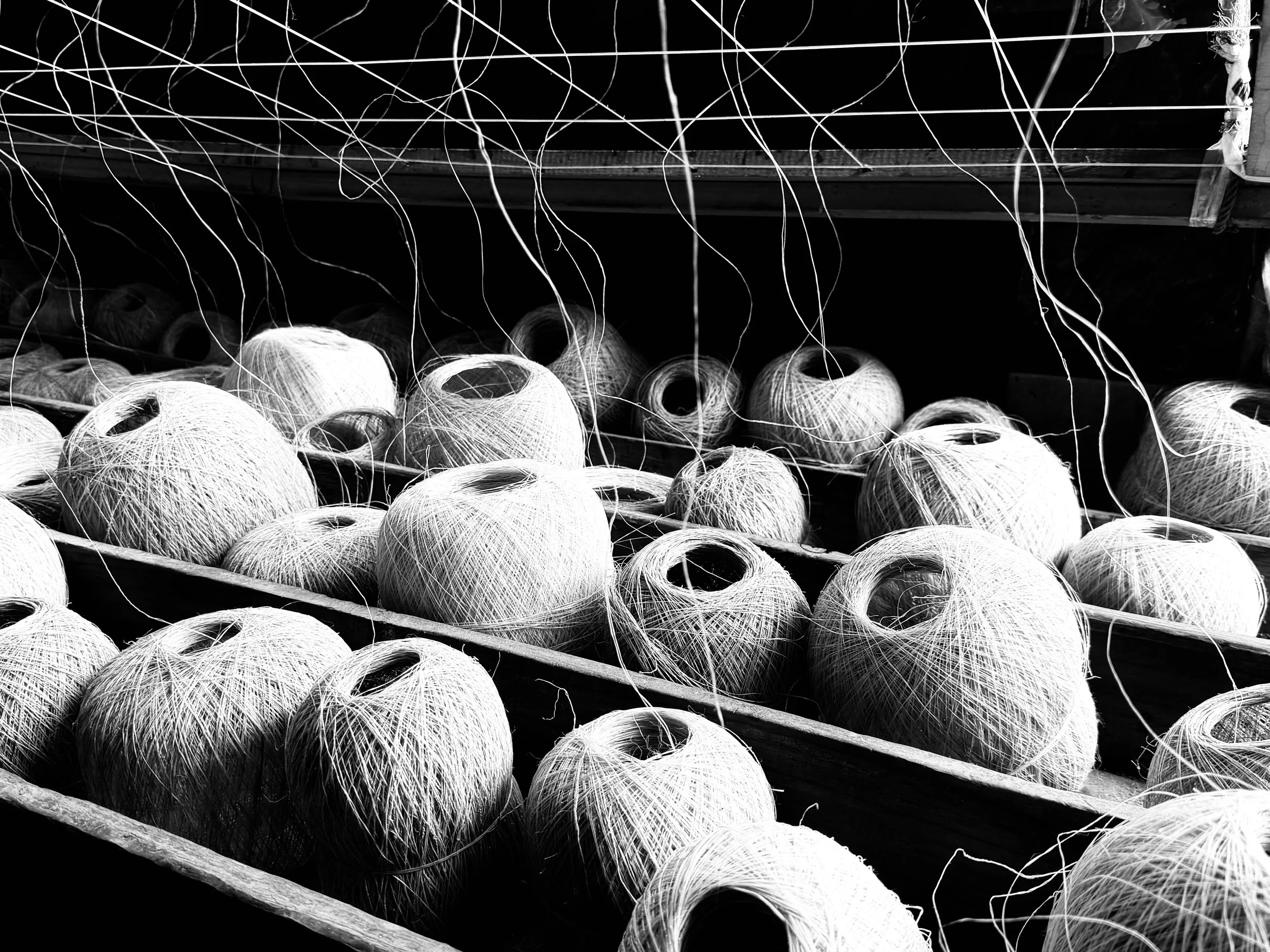
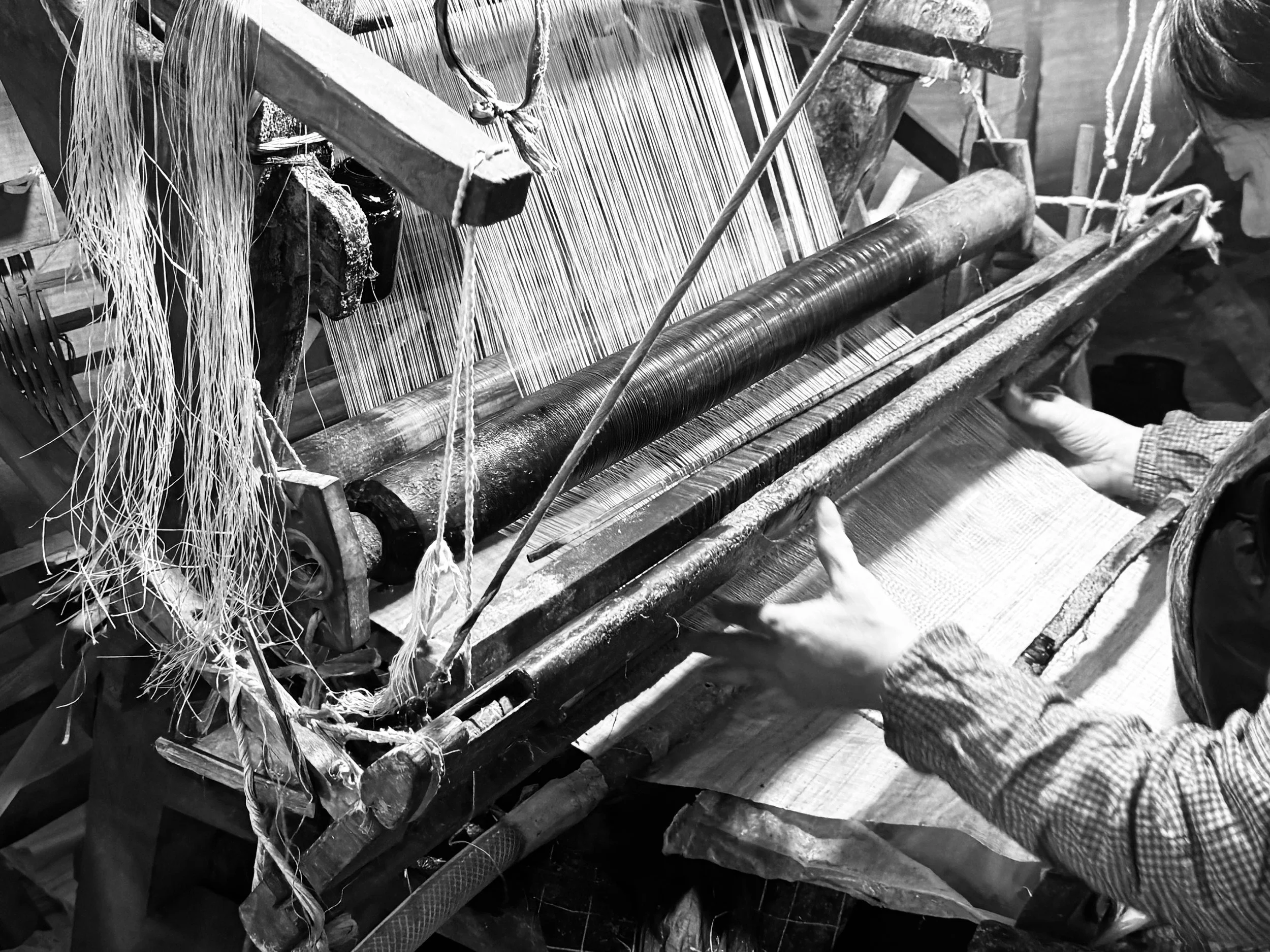
A solid-color noren collection made from Handwoven Natural Ramie No.75 Xia Bu, colored with botanical dyes.
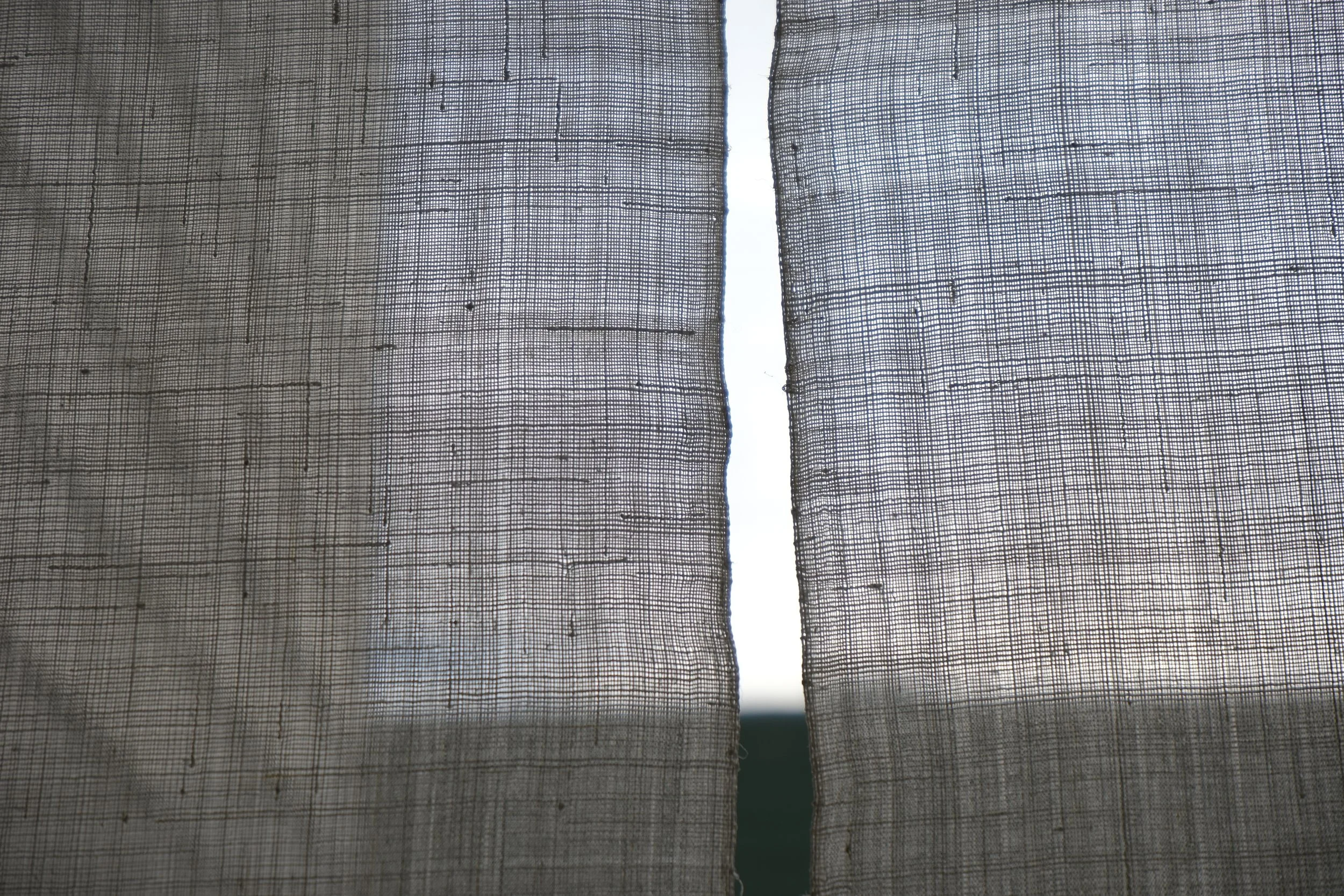
Without printed, painted, or paste-resist motifs, the design allows the material itself to take the foreground: the open weave, visible fiber lines, natural slubs, subtle tonal variation, and the changing character of plant-derived color.
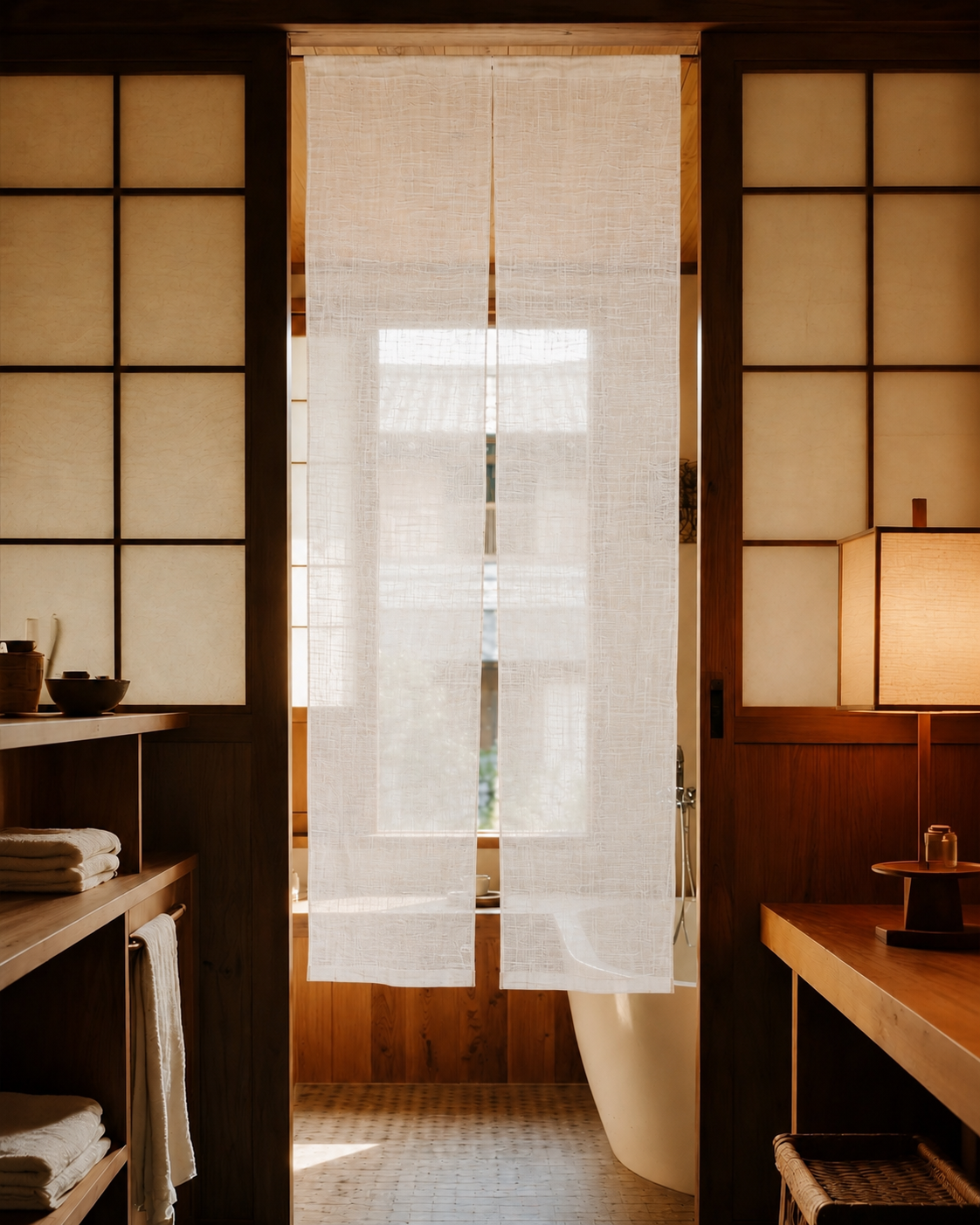
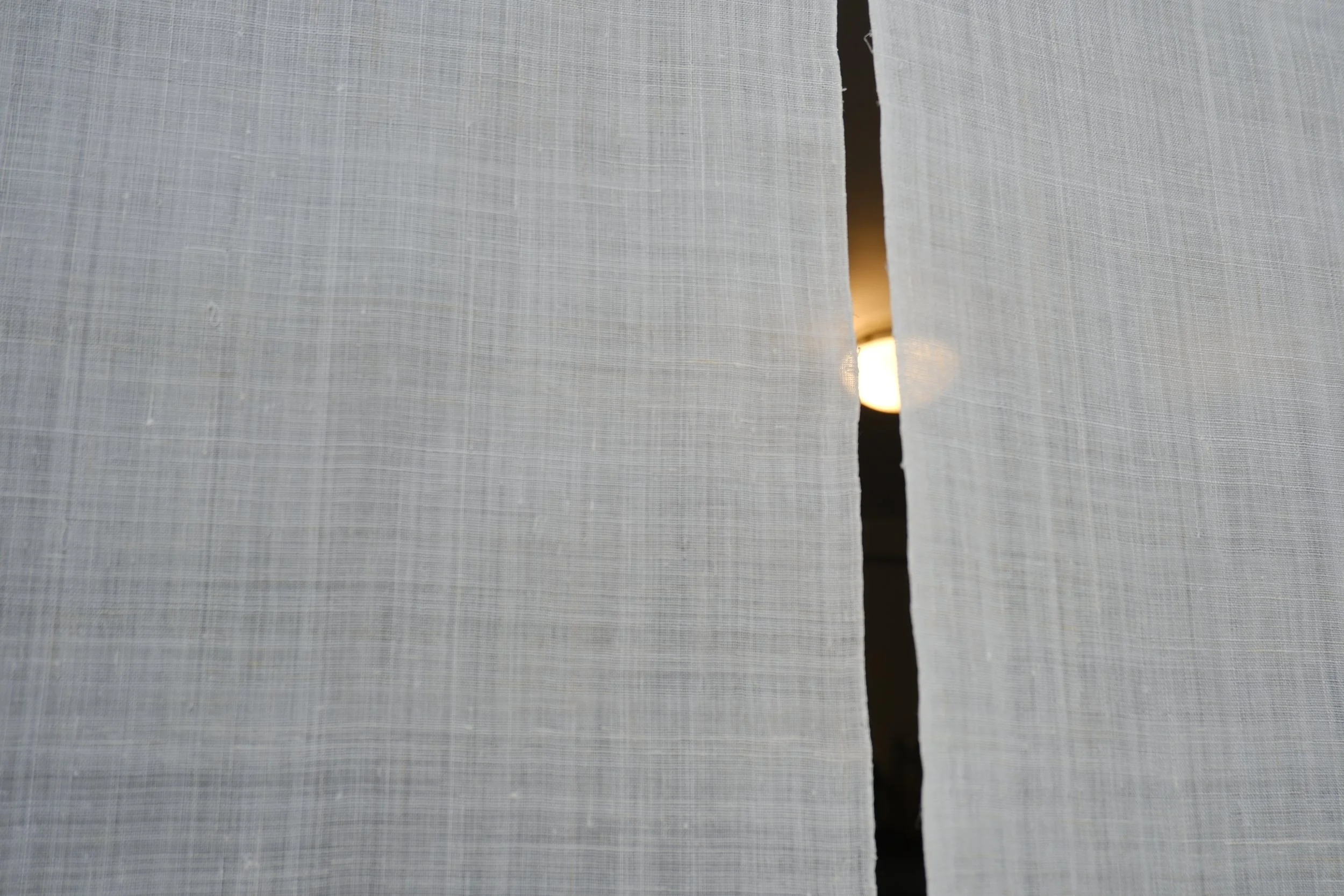
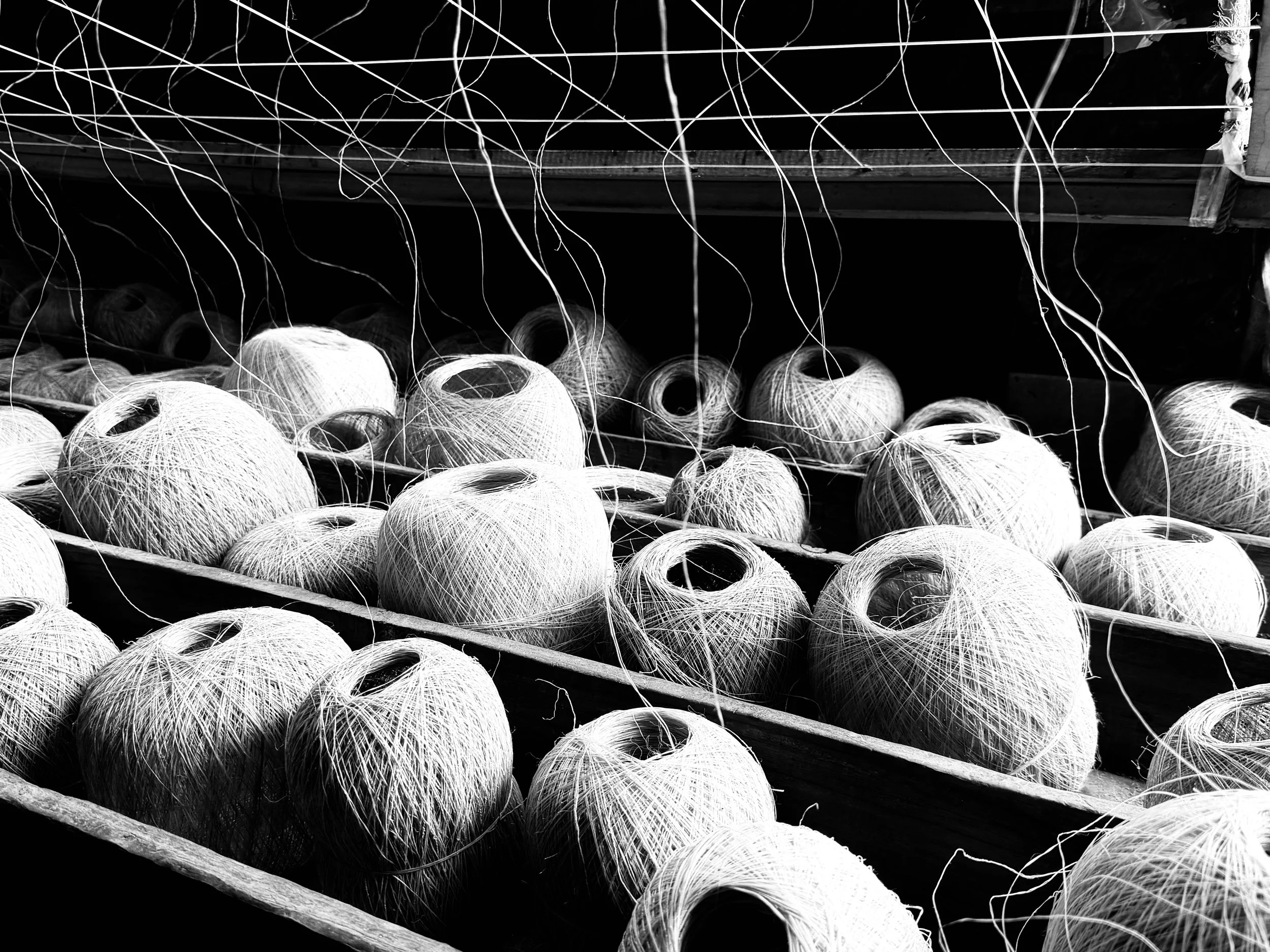
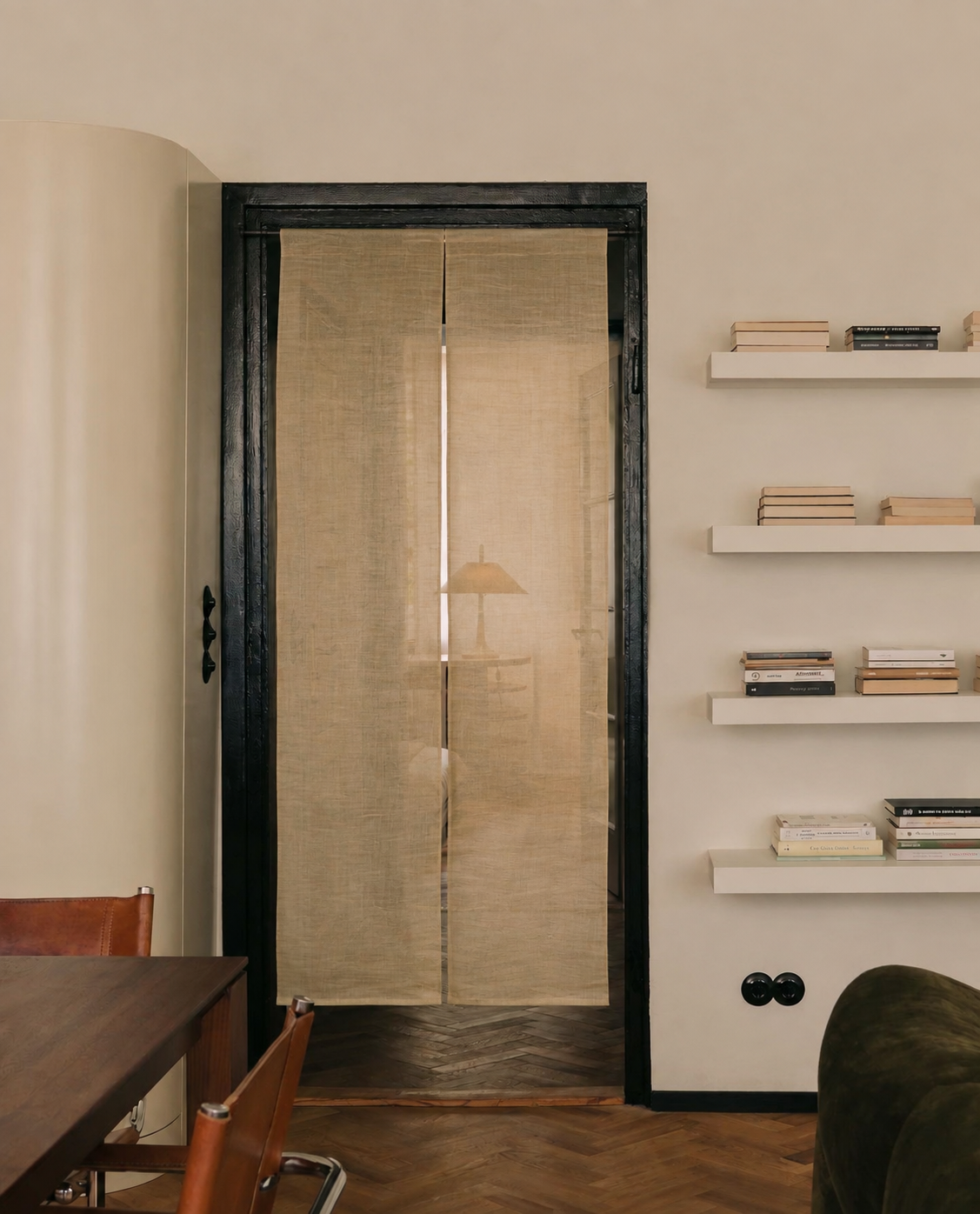
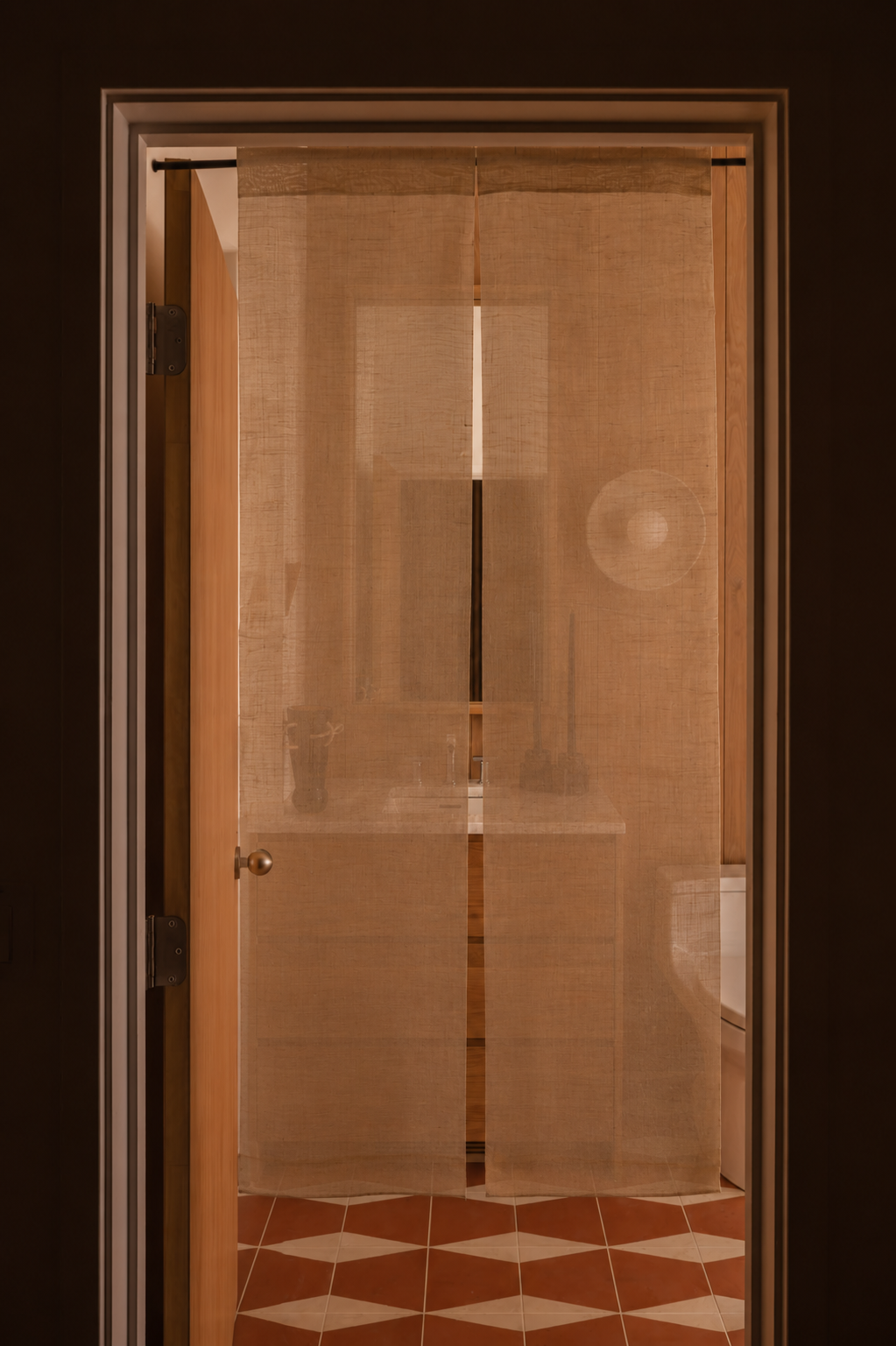
No.75 ramie has a natural structured body with visible handwoven character. The fabric feels dry, crisp, and lightly rustic rather than soft or fluid. Its open weave is breathable, semi-sheer, and light-filtering, allowing air and daylight to pass through while providing gentle visual privacy between spaces.
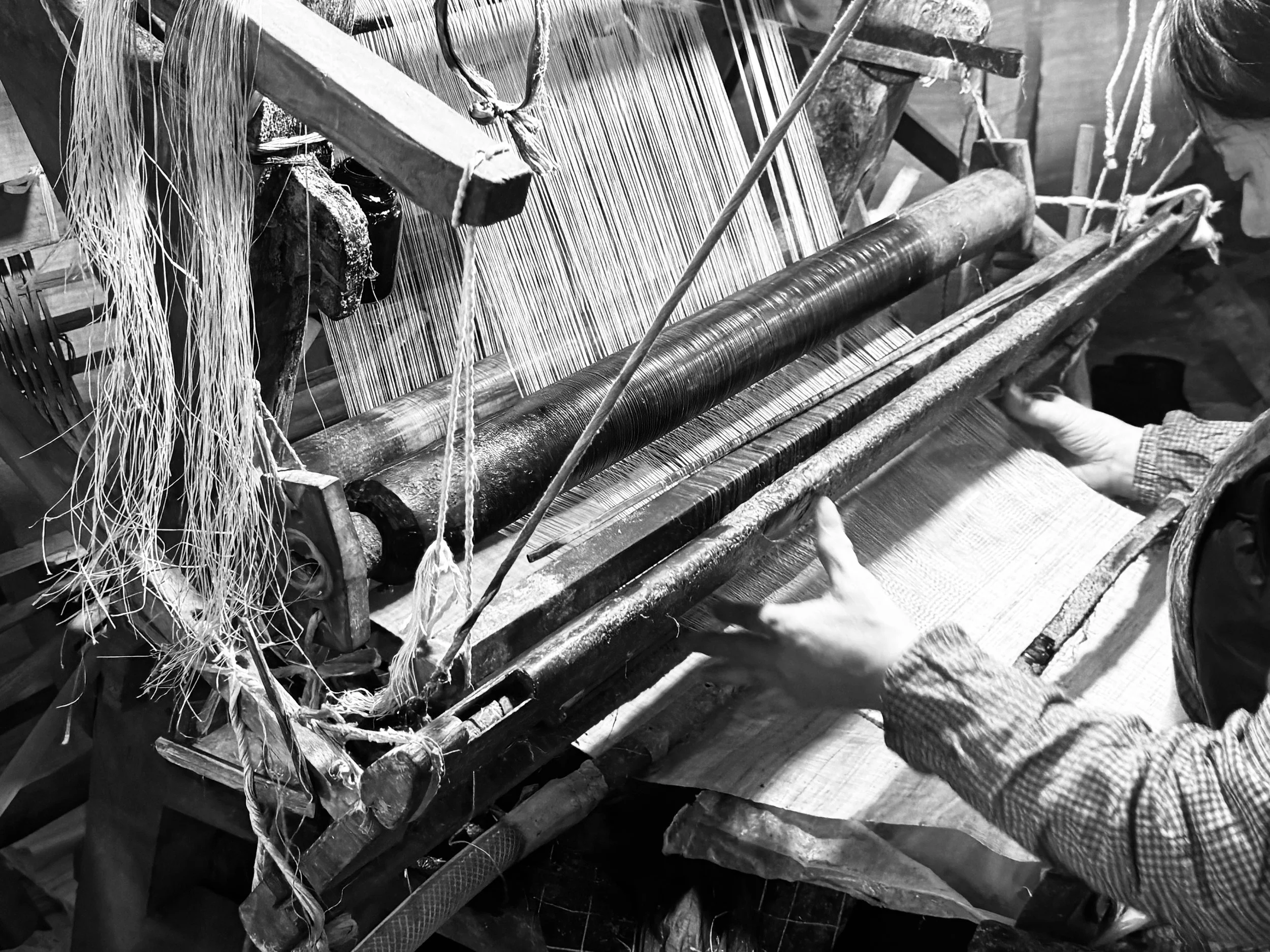
Although lightweight, the cloth holds a clean, architectural form when hanging. Natural slubs, irregular threads, slight waviness, and subtle variation in density are part of the traditional handwoven character of the fabric.
Because botanical dyes interact differently with natural fibers and light, each curtain may show slight variations in tone from piece to piece.
Botanical Color Variations
Deep Indigo — Gallnut
A deep charcoal-indigo tone with smoky blue, softened black, and dark mineral undertones.
In shaded interiors, the color can appear almost black, while backlighting reveals more blue-gray variation through the weave.
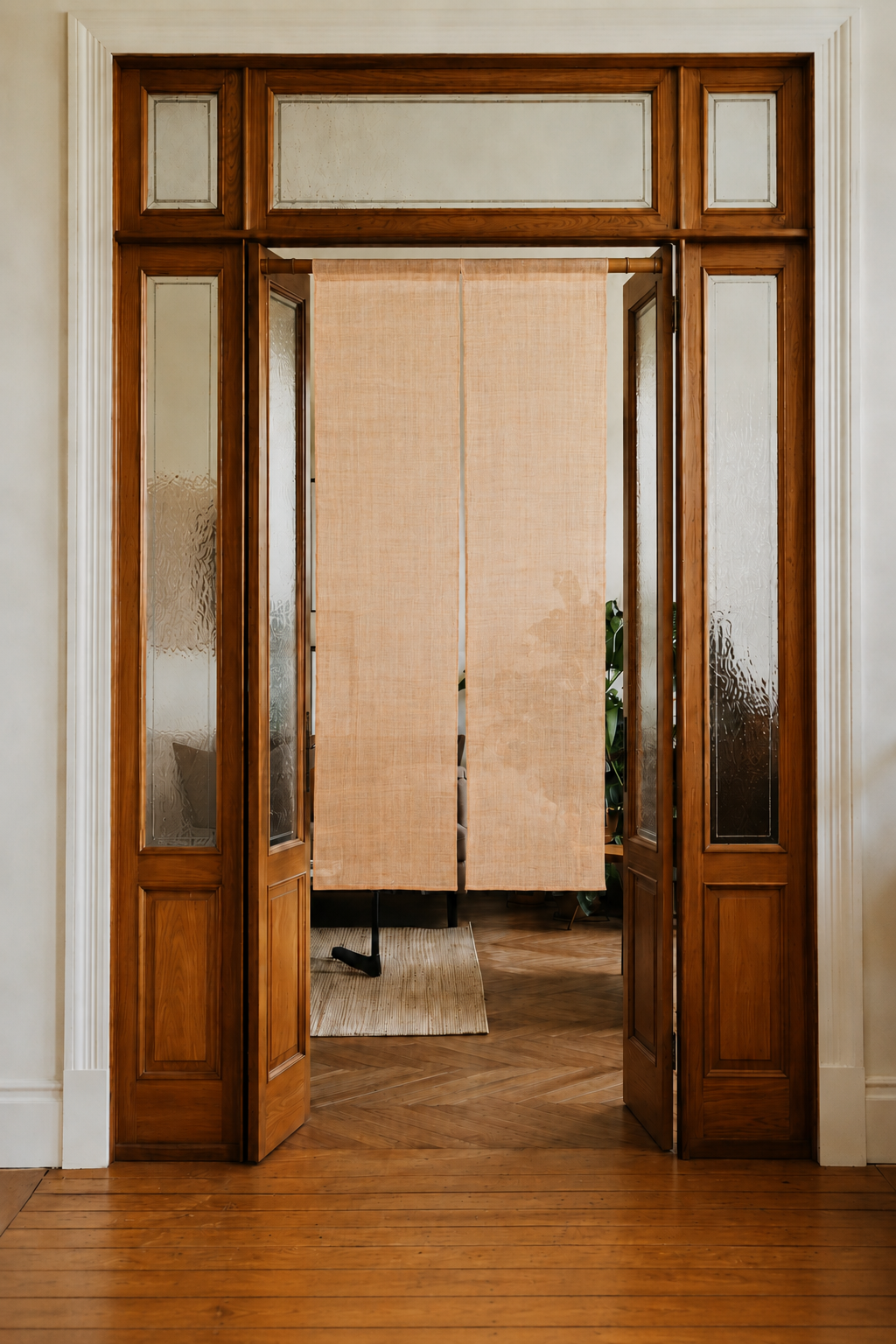
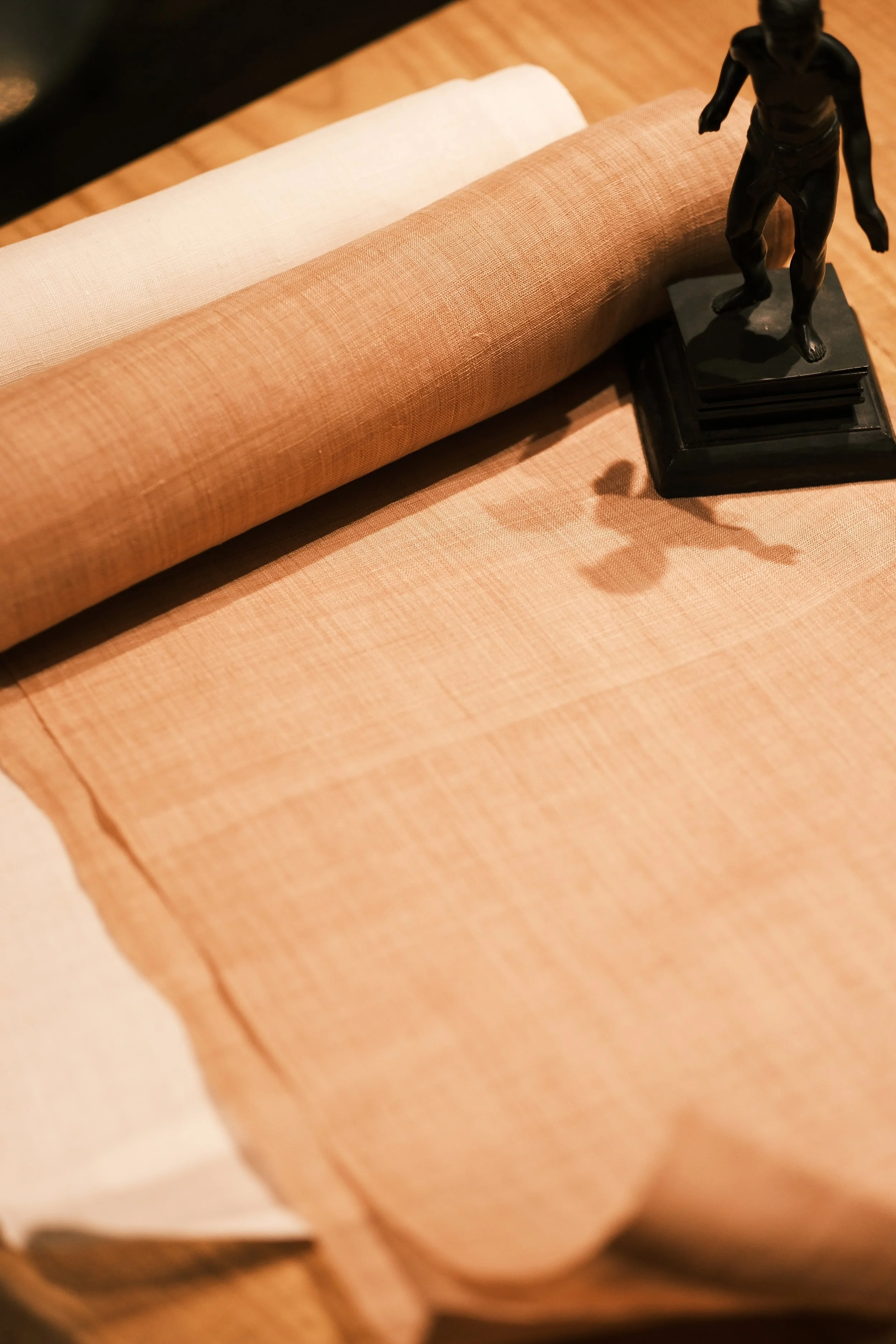
Clay Brown — Dyeing Yam
A warm botanical brown with subtle reddish, clay, and aged-wood undertones.
The tone works especially well with natural wood, plaster, stone, and other earthy interior materials.
Guava — Sappanwood Red
A muted botanical red with dusty rose, clay-pink, and softened red undertones.
Rather than appearing bright or saturated, Guava has a naturally weathered, understated character.
Muted Purple — Sappanwood
A restrained purple-gray with smoky plum, muted mauve, and warm mineral undertones.
The color remains subdued and atmospheric rather than strongly violet.
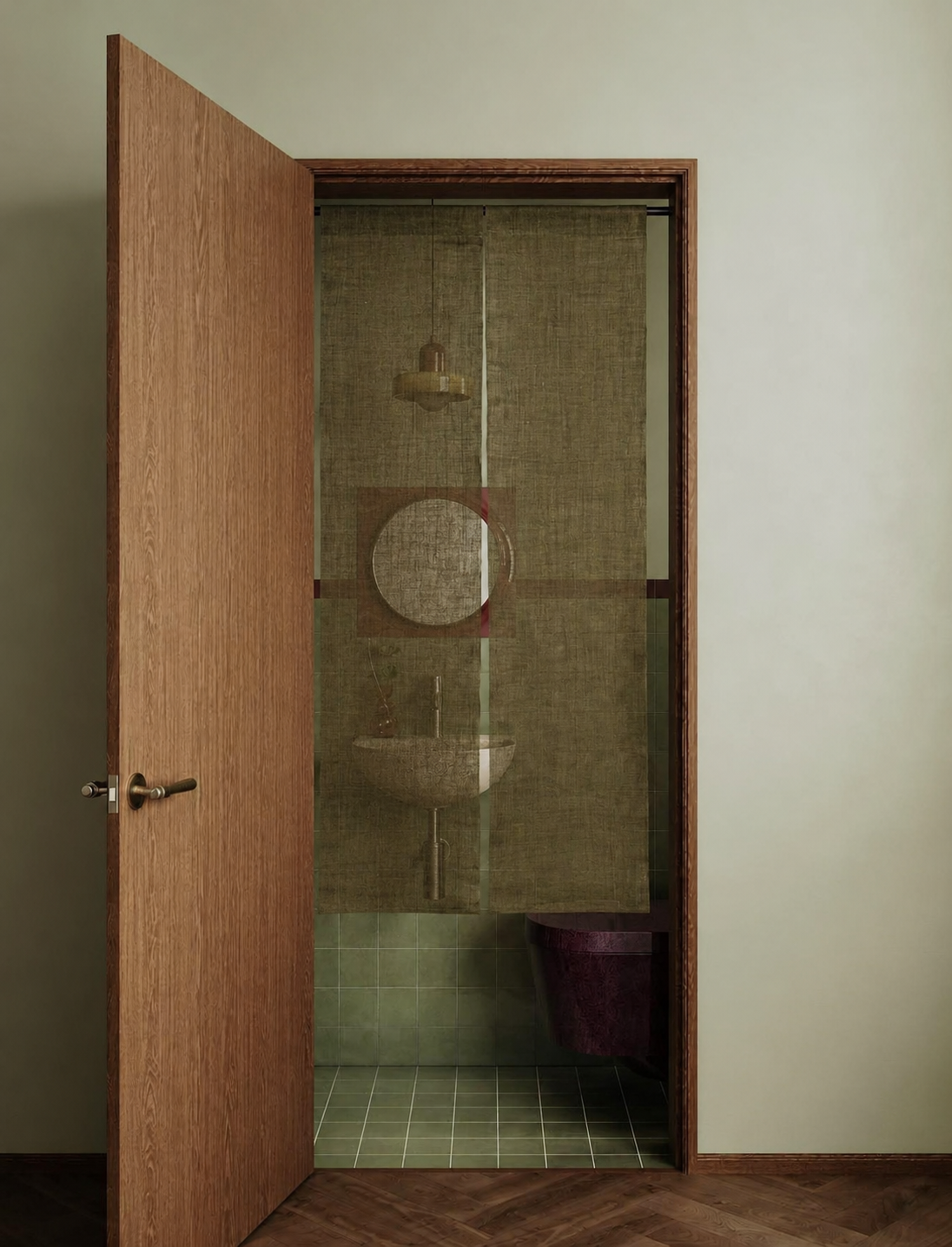
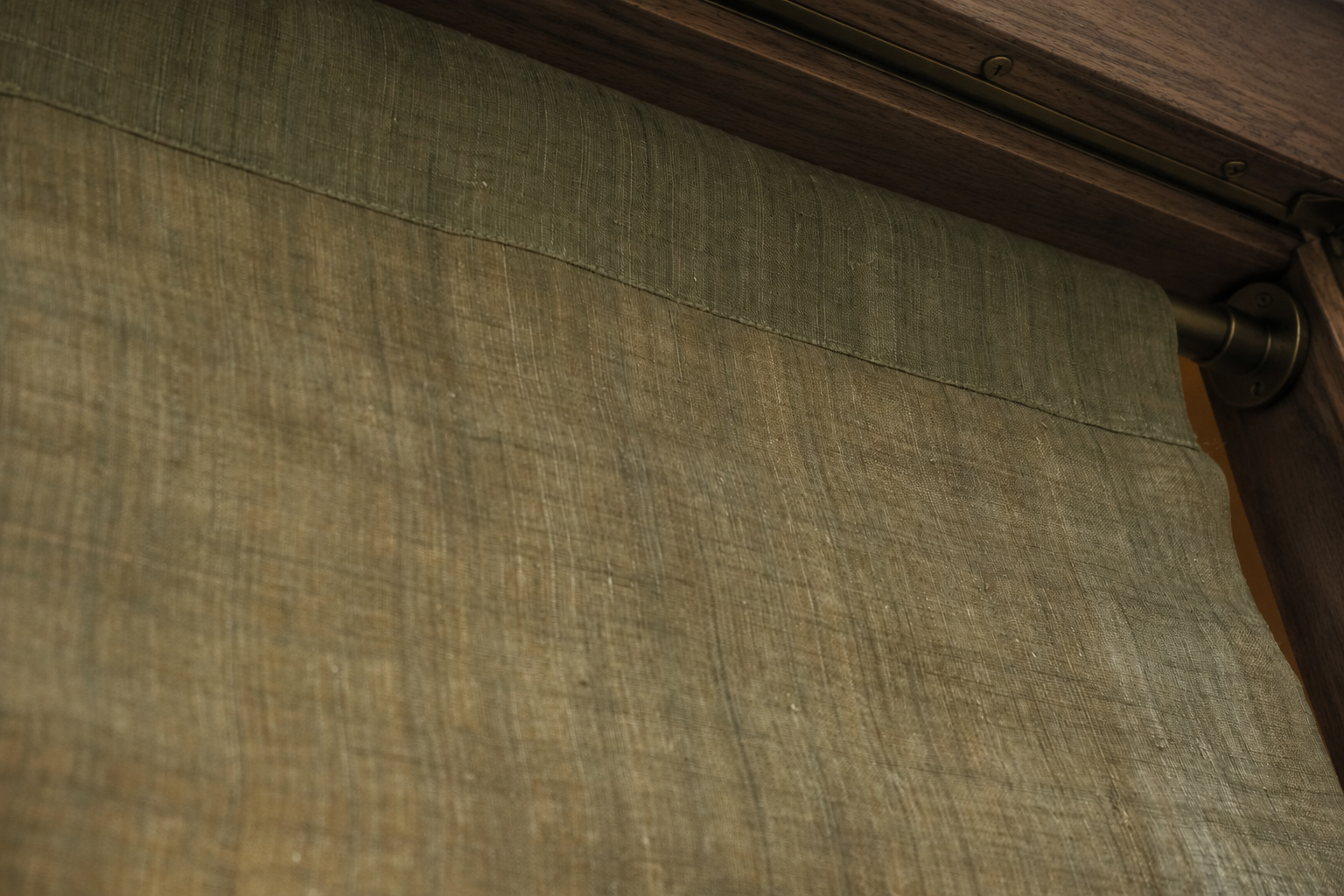
Mineral Olive — Pagoda Flower
A muted botanical green with olive, moss, and softened yellow-green undertones.
Daylight brings out its more vegetal character, while lower light gives it a deeper, earthier appearance.
Quince Gold — Gardenia
A warm botanical gold with mellow quince, sun-dried straw, and softly burnished golden undertones. In daylight, the color appears full and luminous, like a gentle wash of gold across the woven surface, while softer interior light brings out its quieter, earthier warmth.
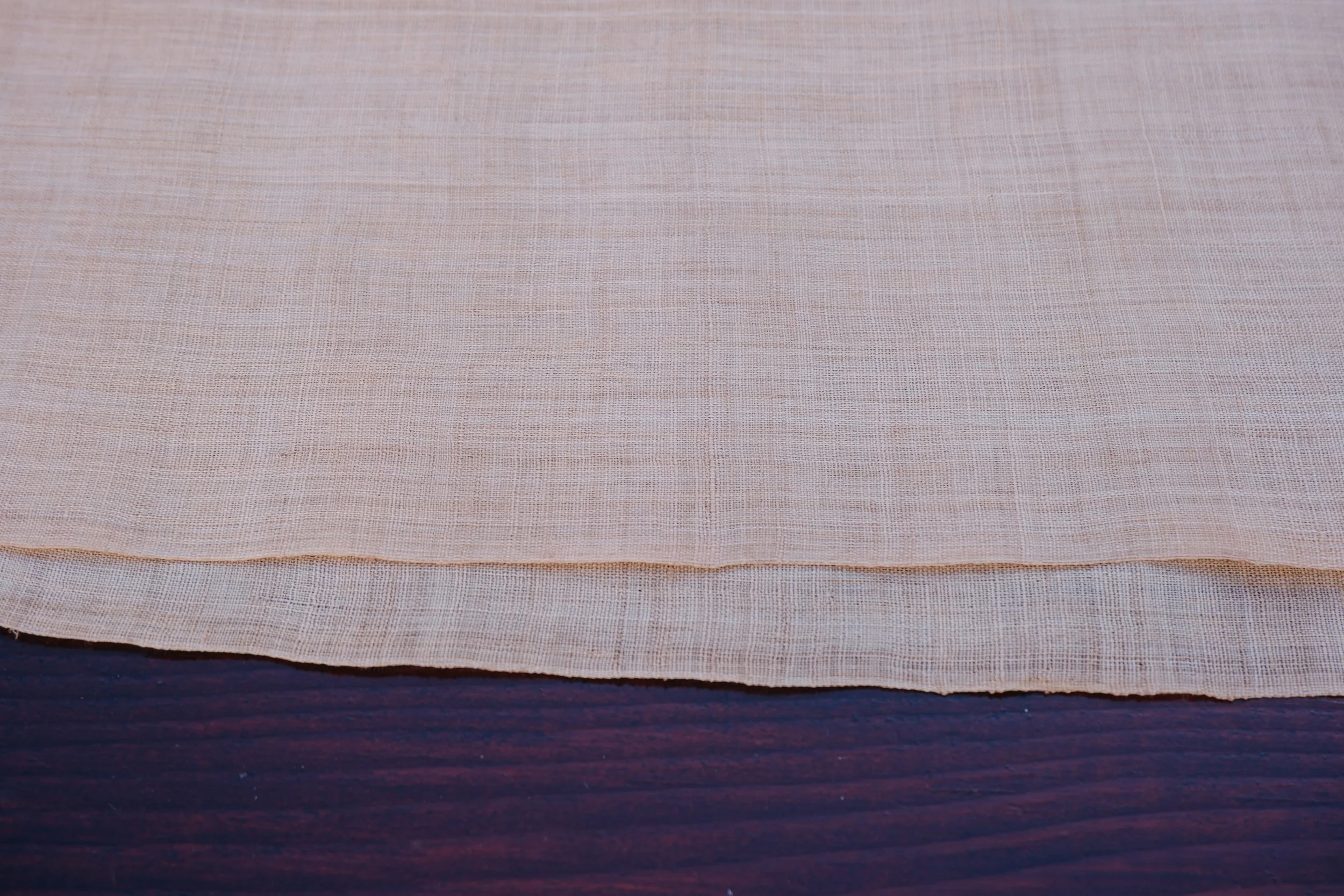
Oatmeal — Tea-Dyed
A quiet neutral between warm beige, natural flax, light taupe, and muted straw.
In daylight, the fabric appears lighter and more luminous, while shaded interiors bring out warmer tea and earth tones.
About No.75 Handwoven Ramie
No.75 is selected for its balance of texture, structure, breathability, and light filtration.
Its defining qualities include:
Natural structured body
Visible handwoven character
Dry, lightly rustic texture
Breathable construction
Semi-sheer open weave
Light-filtering quality
Gentle visual privacy
Crisp rather than floppy drape
Visible slubs and natural fiber variation
Subtle irregularity in weave density and thread thickness
When installed against a bright doorway or window, the weave becomes more luminous and transparent. In lower light, the color appears deeper and the curtain provides stronger visual separation.
This interaction with light is one of the defining qualities of handwoven ramie.
Suggested Uses
Use the No.75 Botanical-Dyed Noren at a:
Bedroom or guest-room entrance
Bathroom doorway
Dressing area
Closet or wardrobe opening
Kitchen or pantry entrance
Laundry room
Home office
Studio or creative workspace
Hallway or transition space
Reading or meditation area
Garden room or sunroom
Café, restaurant, boutique, spa, or hospitality interior
Its restrained solid color and visible textile structure work especially well in Japandi, wabi-sabi, organic modern, rustic, coastal, and minimalist interiors.
When not installed in a doorway, it may also be displayed as a wall textile or lightweight room divider.
Installation
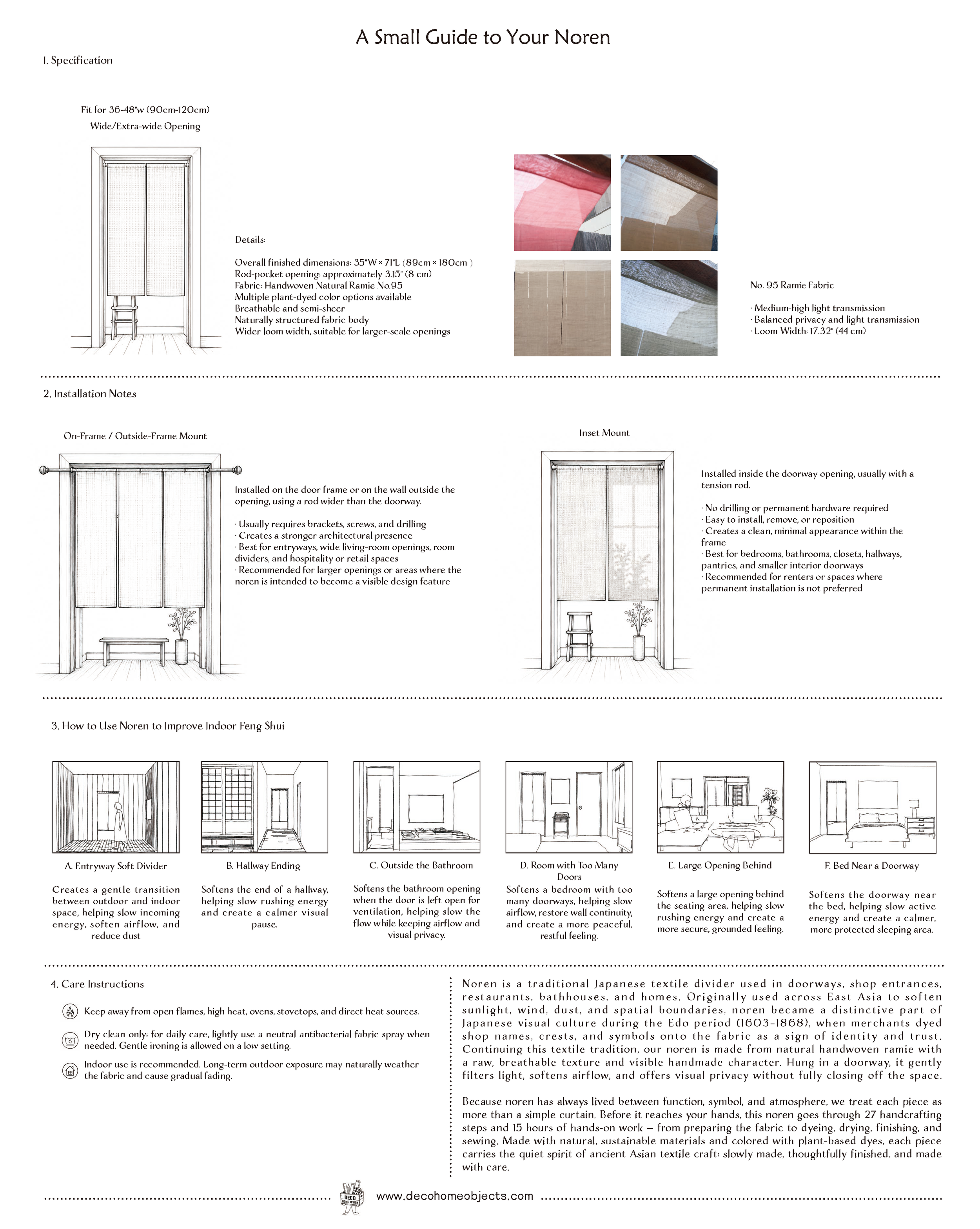
For a minimal, no-drill installation, place the noren inside the doorway using a tension rod.
Position the rod between the fixed sides of the doorframe so it does not interfere with the movement of the door.
For wider coverage or a stronger architectural presentation, mount a bamboo, wood, or metal rod above or outside the opening.
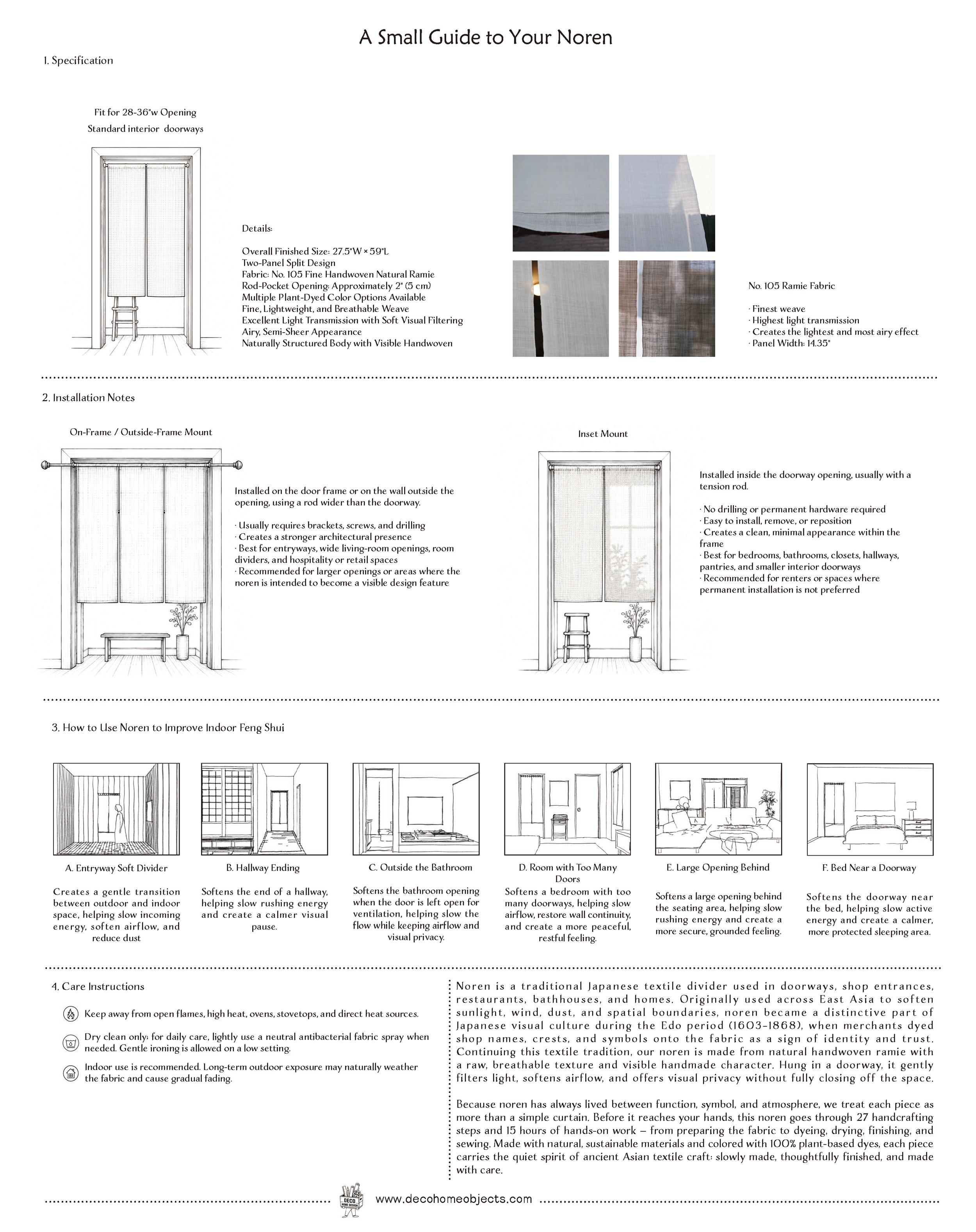
The standard flat rod pocket has an approximately 2-inch / 5 cm opening.
Rod and installation hardware are not included.
Details
No.75 Botanical-Dyed Solid Noren
No. 75A Overall finished size: 28.25"W × 59"L across both panels
No. 75B Overall finished size: 30.25"W × 59"L across both panels
Measurements refer to the complete curtain, not each individual panel
Two-panel split construction
Approximately 14"W - 15” per panel
Handwoven Natural Ramie No.75 Xia Bu
Natural structured body with visible handwoven character
Breathable and semi-sheer
Light-filtering with gentle visual privacy
Crisp, lightly rustic textile body
Flat straight rod pocket
Rod-pocket opening: approximately 2" / 5 cm
Sewn top and bottom edges
Natural handwoven side edges
Natural variation in weave and botanical color
Indoor use recommended
Color & Light
Botanical color and ramie transparency change according to surrounding light.
The same curtain may appear lighter, warmer, cooler, deeper, or more translucent depending on daylight, artificial lighting, surrounding materials, viewing angle, and whether the curtain is front-lit or backlit.
These changes are part of the natural character of botanically dyed handwoven textiles.
Care
Professional dry clean only.
Do not machine wash, hand wash, soak, tumble dry, scrub, or wring the fabric.
Do not use bleach, chemical detergents, alcohol, disinfectant sprays, or harsh fabric treatments.
For routine care, gently remove surface dust.
If ironing is necessary, use a low temperature.
Keep away from open flame, excessive heat, prolonged moisture, and harsh outdoor exposure.
Handmade Character
Variations in color depth, weave, texture, natural edges, slubs, fiber lines, and panel alignment are inherent to handwoven and botanically dyed ramie.
Slight waviness, irregular threads, visible slubs, and small changes in fabric width or thickness reflect the traditional weaving process and should not be considered defects.
Each No.75 Botanical-Dyed Ramie Noren has its own individual character.
A solid-color noren collection made from Handwoven Natural Ramie No.75 Xia Bu, colored with botanical dyes.
Without printed, painted, or paste-resist motifs, the design allows the material itself to take the foreground: the open weave, visible fiber lines, natural slubs, subtle tonal variation, and the changing character of plant-derived color.
No.75 ramie has a natural structured body with visible handwoven character. The fabric feels dry, crisp, and lightly rustic rather than soft or fluid. Its open weave is breathable, semi-sheer, and light-filtering, allowing air and daylight to pass through while providing gentle visual privacy between spaces.
Although lightweight, the cloth holds a clean, architectural form when hanging. Natural slubs, irregular threads, slight waviness, and subtle variation in density are part of the traditional handwoven character of the fabric.
Because botanical dyes interact differently with natural fibers and light, each curtain may show slight variations in tone from piece to piece.
Botanical Color Variations
Deep Indigo — Gallnut
A deep charcoal-indigo tone with smoky blue, softened black, and dark mineral undertones.
In shaded interiors, the color can appear almost black, while backlighting reveals more blue-gray variation through the weave.
Clay Brown — Dyeing Yam
A warm botanical brown with subtle reddish, clay, and aged-wood undertones.
The tone works especially well with natural wood, plaster, stone, and other earthy interior materials.
Guava — Sappanwood Red
A muted botanical red with dusty rose, clay-pink, and softened red undertones.
Rather than appearing bright or saturated, Guava has a naturally weathered, understated character.
Muted Purple — Sappanwood
A restrained purple-gray with smoky plum, muted mauve, and warm mineral undertones.
The color remains subdued and atmospheric rather than strongly violet.
Mineral Olive — Pagoda Flower
A muted botanical green with olive, moss, and softened yellow-green undertones.
Daylight brings out its more vegetal character, while lower light gives it a deeper, earthier appearance.
Quince Gold — Gardenia
A warm botanical gold with mellow quince, sun-dried straw, and softly burnished golden undertones. In daylight, the color appears full and luminous, like a gentle wash of gold across the woven surface, while softer interior light brings out its quieter, earthier warmth.
Oatmeal — Tea-Dyed
A quiet neutral between warm beige, natural flax, light taupe, and muted straw.
In daylight, the fabric appears lighter and more luminous, while shaded interiors bring out warmer tea and earth tones.
About No.75 Handwoven Ramie
No.75 is selected for its balance of texture, structure, breathability, and light filtration.
Its defining qualities include:
Natural structured body
Visible handwoven character
Dry, lightly rustic texture
Breathable construction
Semi-sheer open weave
Light-filtering quality
Gentle visual privacy
Crisp rather than floppy drape
Visible slubs and natural fiber variation
Subtle irregularity in weave density and thread thickness
When installed against a bright doorway or window, the weave becomes more luminous and transparent. In lower light, the color appears deeper and the curtain provides stronger visual separation.
This interaction with light is one of the defining qualities of handwoven ramie.
Suggested Uses
Use the No.75 Botanical-Dyed Noren at a:
Bedroom or guest-room entrance
Bathroom doorway
Dressing area
Closet or wardrobe opening
Kitchen or pantry entrance
Laundry room
Home office
Studio or creative workspace
Hallway or transition space
Reading or meditation area
Garden room or sunroom
Café, restaurant, boutique, spa, or hospitality interior
Its restrained solid color and visible textile structure work especially well in Japandi, wabi-sabi, organic modern, rustic, coastal, and minimalist interiors.
When not installed in a doorway, it may also be displayed as a wall textile or lightweight room divider.
Installation
For a minimal, no-drill installation, place the noren inside the doorway using a tension rod.
Position the rod between the fixed sides of the doorframe so it does not interfere with the movement of the door.
For wider coverage or a stronger architectural presentation, mount a bamboo, wood, or metal rod above or outside the opening.
The standard flat rod pocket has an approximately 2-inch / 5 cm opening.
Rod and installation hardware are not included.
Details
No.75 Botanical-Dyed Solid Noren
No. 75A Overall finished size: 28.25"W × 59"L across both panels
No. 75B Overall finished size: 30.25"W × 59"L across both panels
Measurements refer to the complete curtain, not each individual panel
Two-panel split construction
Approximately 14"W - 15” per panel
Handwoven Natural Ramie No.75 Xia Bu
Natural structured body with visible handwoven character
Breathable and semi-sheer
Light-filtering with gentle visual privacy
Crisp, lightly rustic textile body
Flat straight rod pocket
Rod-pocket opening: approximately 2" / 5 cm
Sewn top and bottom edges
Natural handwoven side edges
Natural variation in weave and botanical color
Indoor use recommended
Color & Light
Botanical color and ramie transparency change according to surrounding light.
The same curtain may appear lighter, warmer, cooler, deeper, or more translucent depending on daylight, artificial lighting, surrounding materials, viewing angle, and whether the curtain is front-lit or backlit.
These changes are part of the natural character of botanically dyed handwoven textiles.
Care
Professional dry clean only.
Do not machine wash, hand wash, soak, tumble dry, scrub, or wring the fabric.
Do not use bleach, chemical detergents, alcohol, disinfectant sprays, or harsh fabric treatments.
For routine care, gently remove surface dust.
If ironing is necessary, use a low temperature.
Keep away from open flame, excessive heat, prolonged moisture, and harsh outdoor exposure.
Handmade Character
Variations in color depth, weave, texture, natural edges, slubs, fiber lines, and panel alignment are inherent to handwoven and botanically dyed ramie.
Slight waviness, irregular threads, visible slubs, and small changes in fabric width or thickness reflect the traditional weaving process and should not be considered defects.
Each No.75 Botanical-Dyed Ramie Noren has its own individual character.

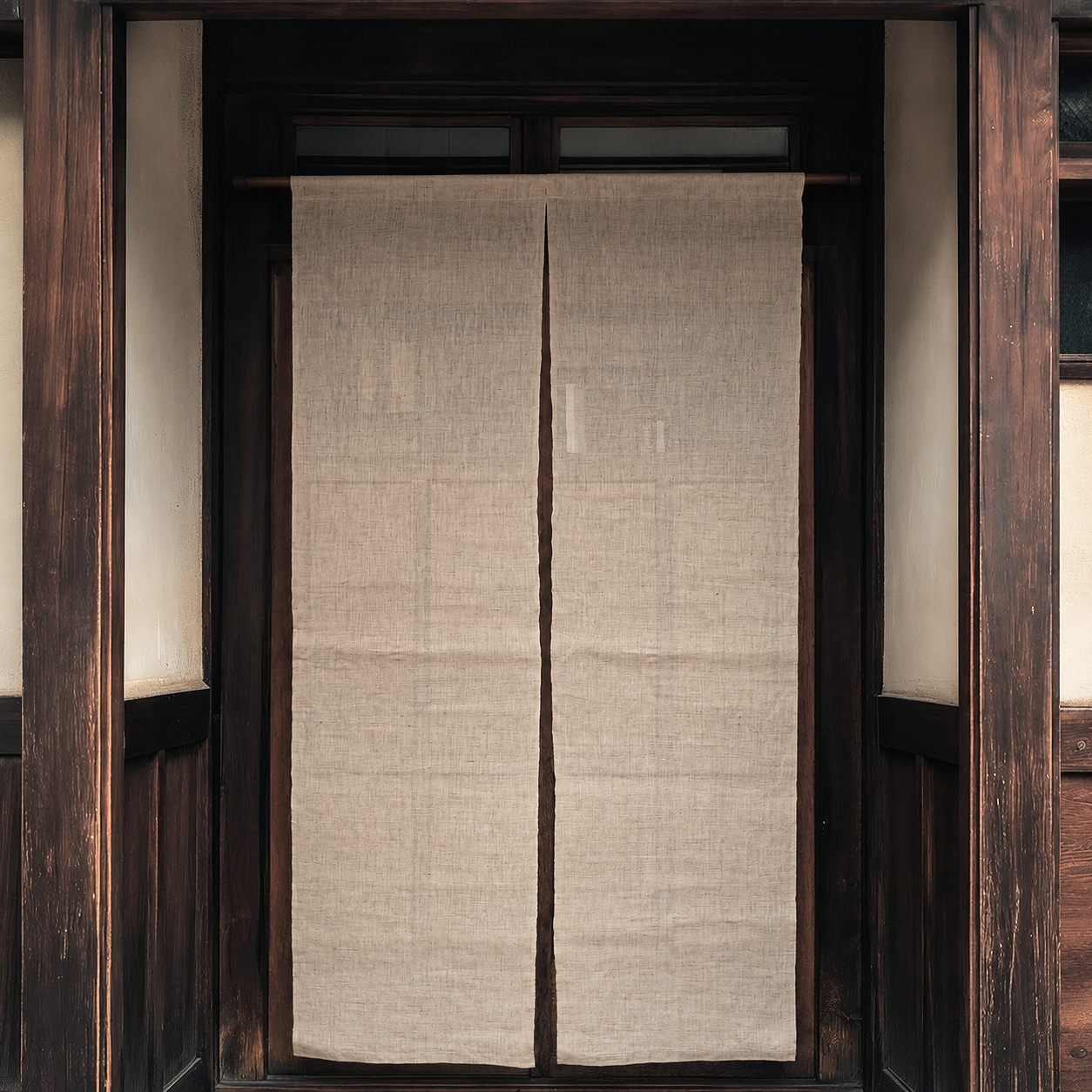 Image 1 of 17
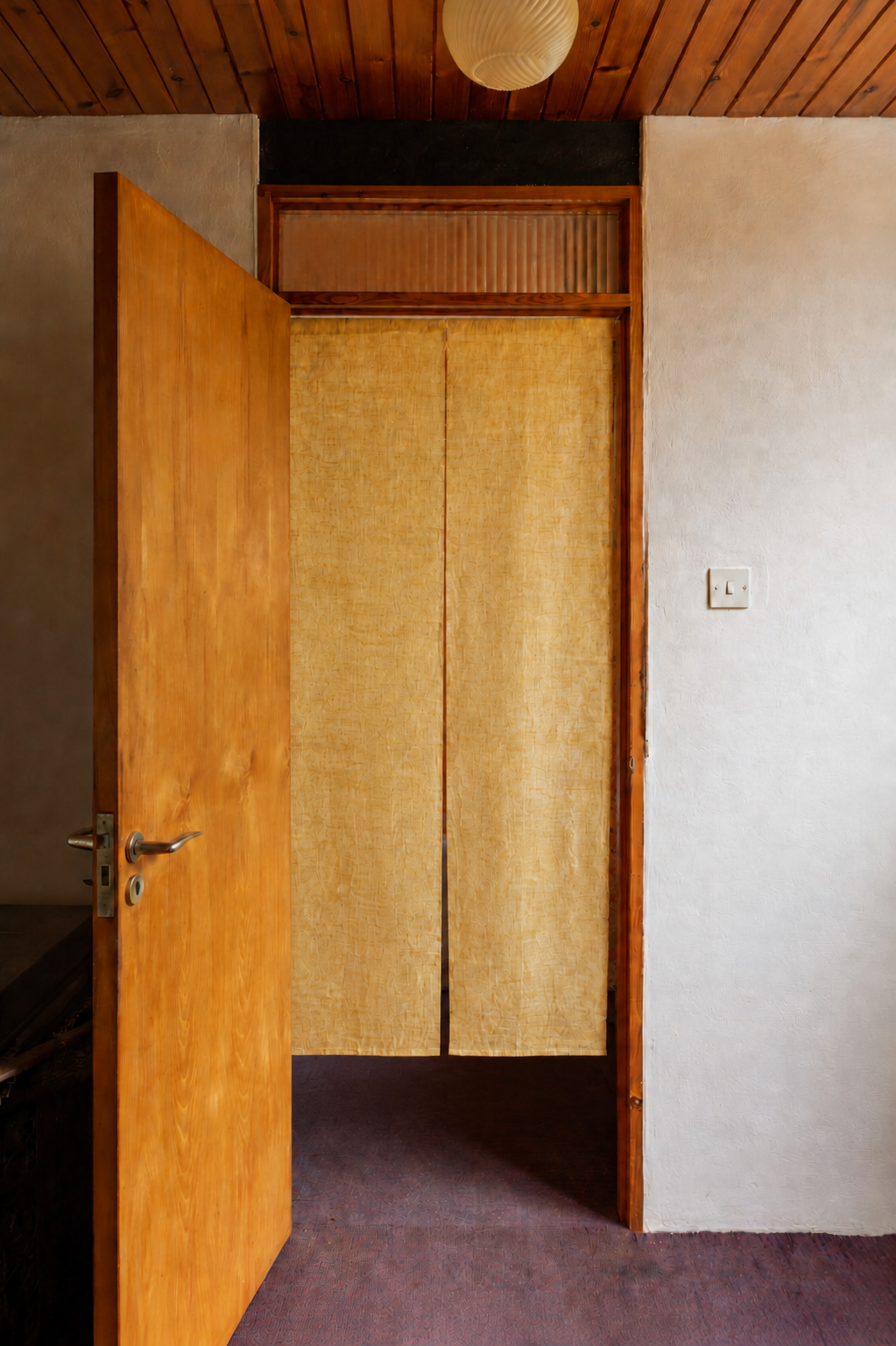 Image 2 of 17
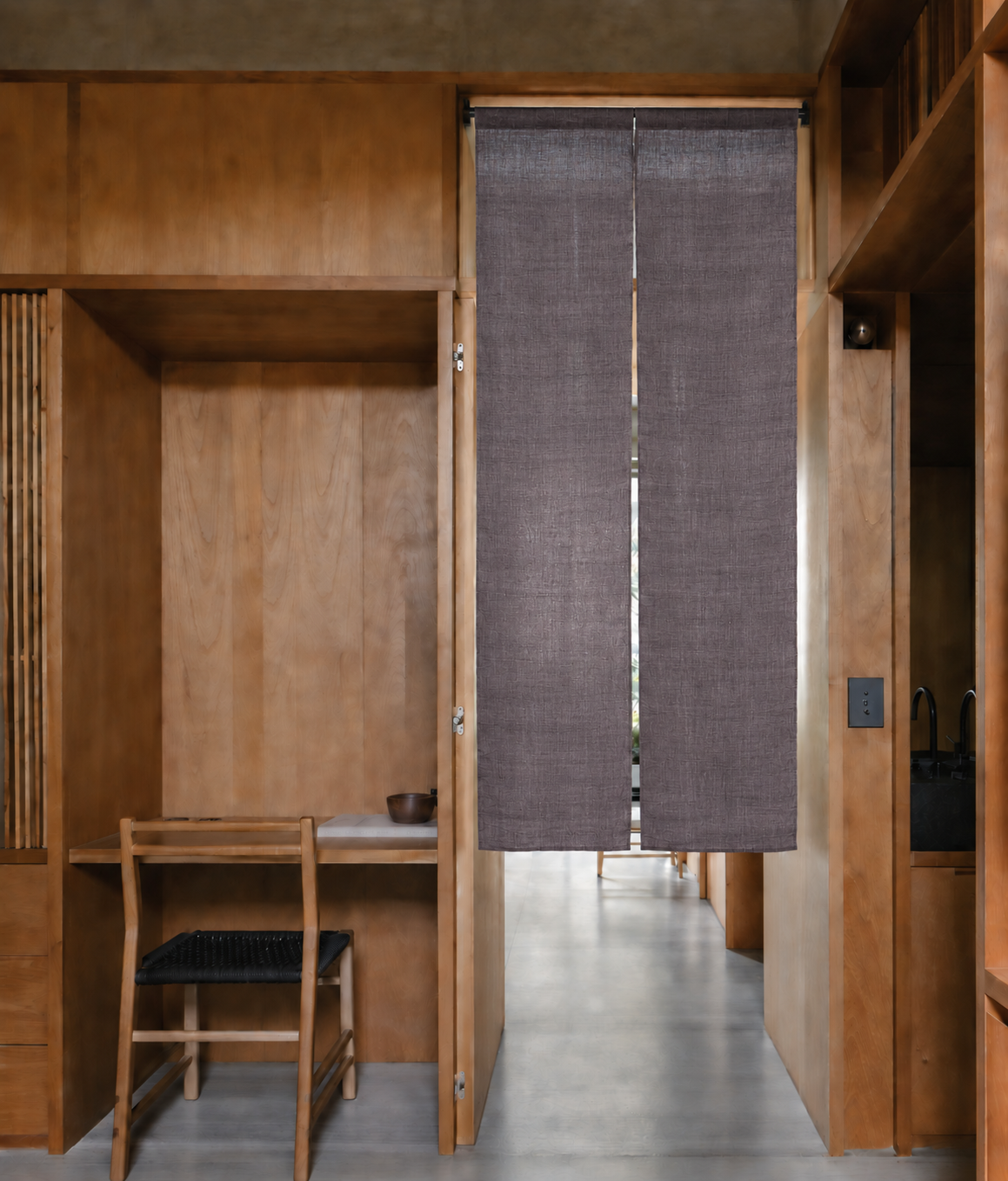 Image 3 of 17
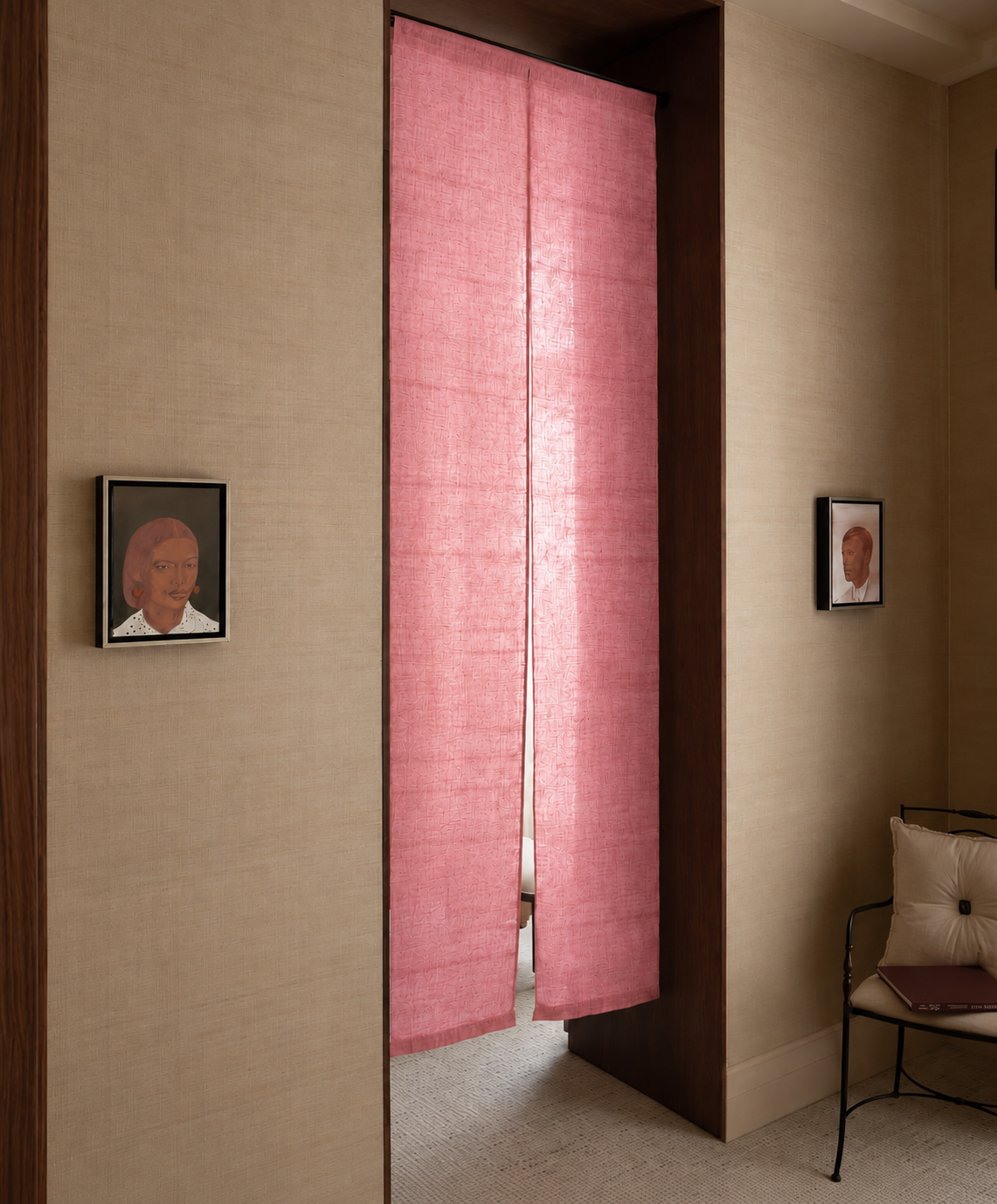 Image 4 of 17
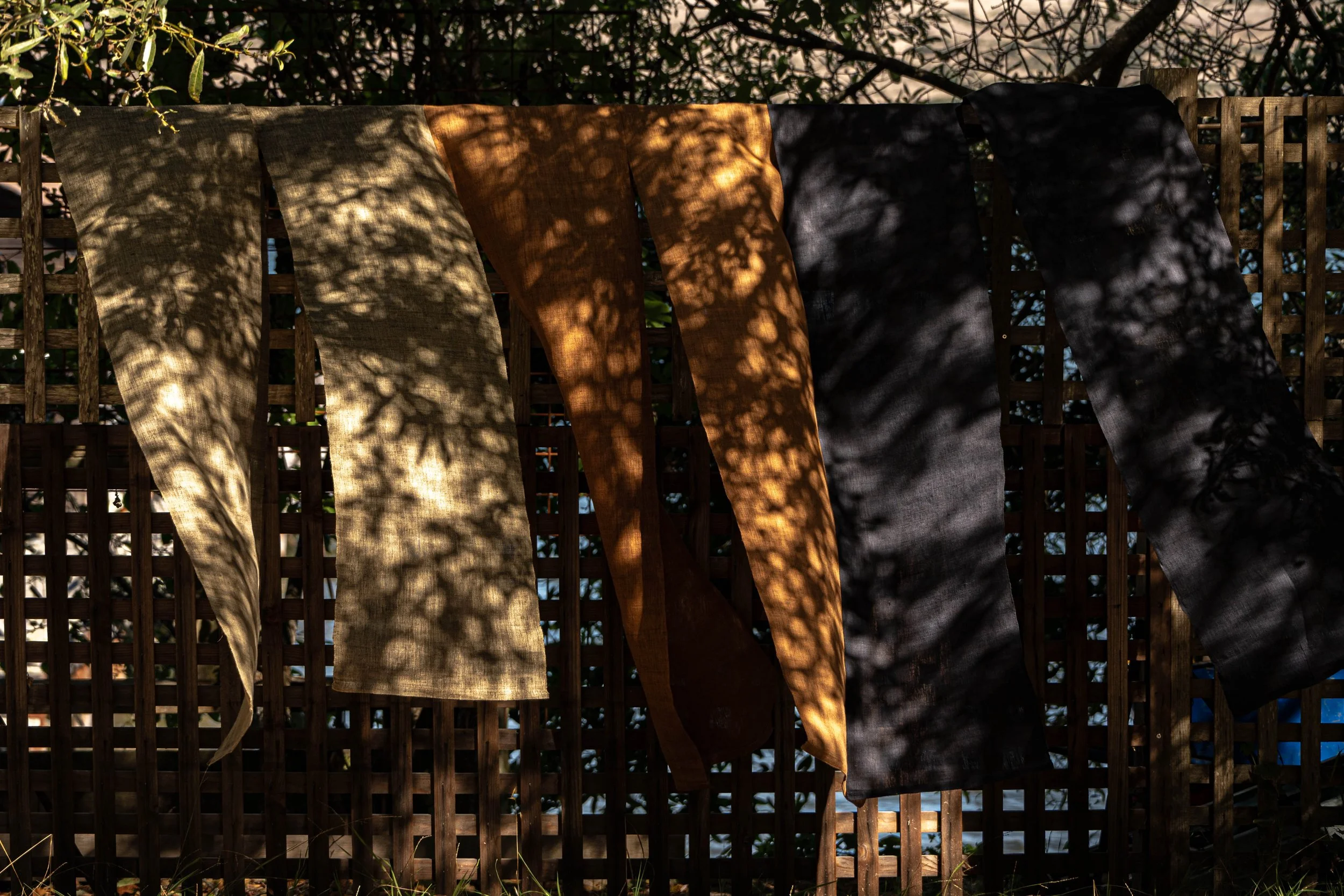 Image 5 of 17
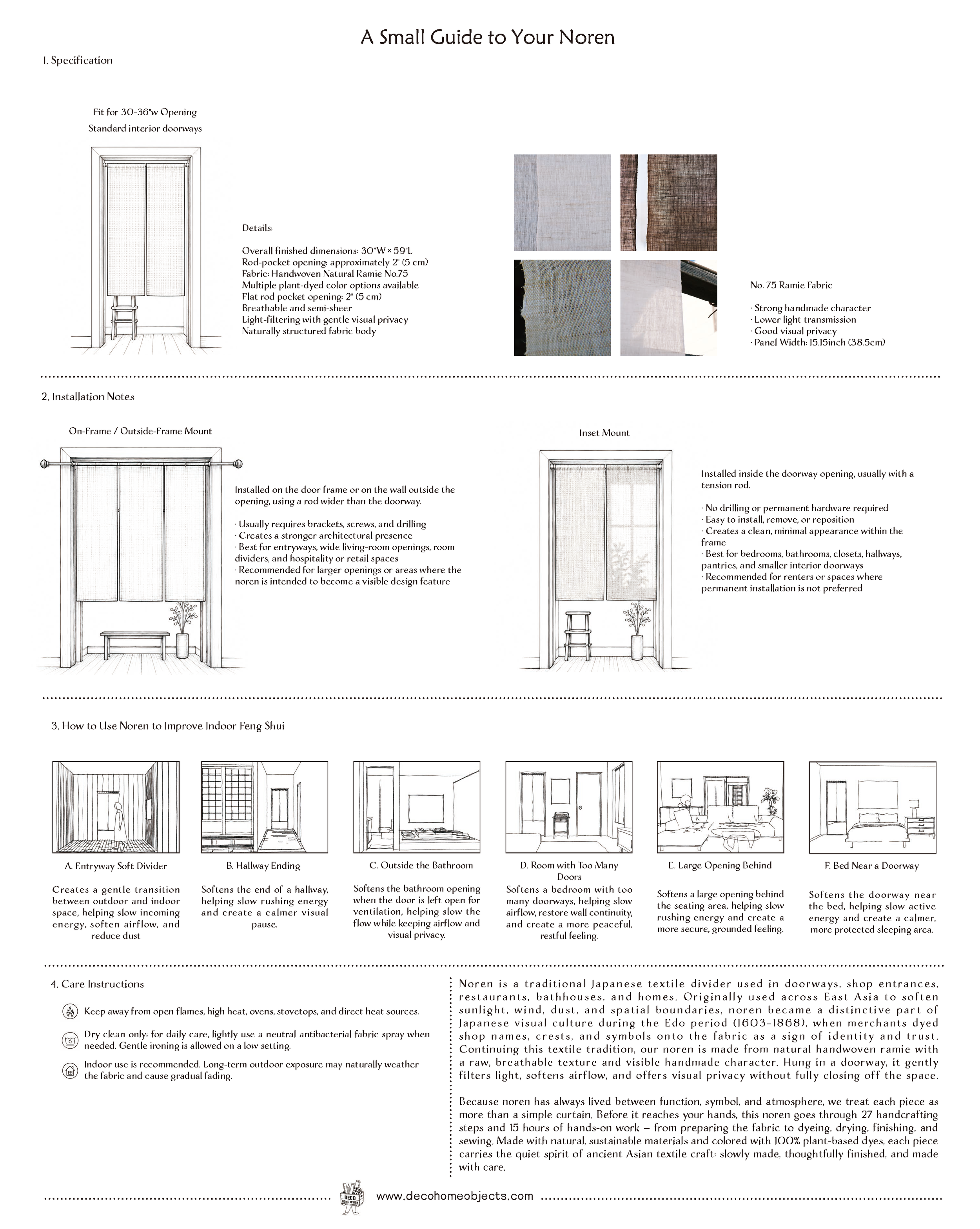 Image 6 of 17
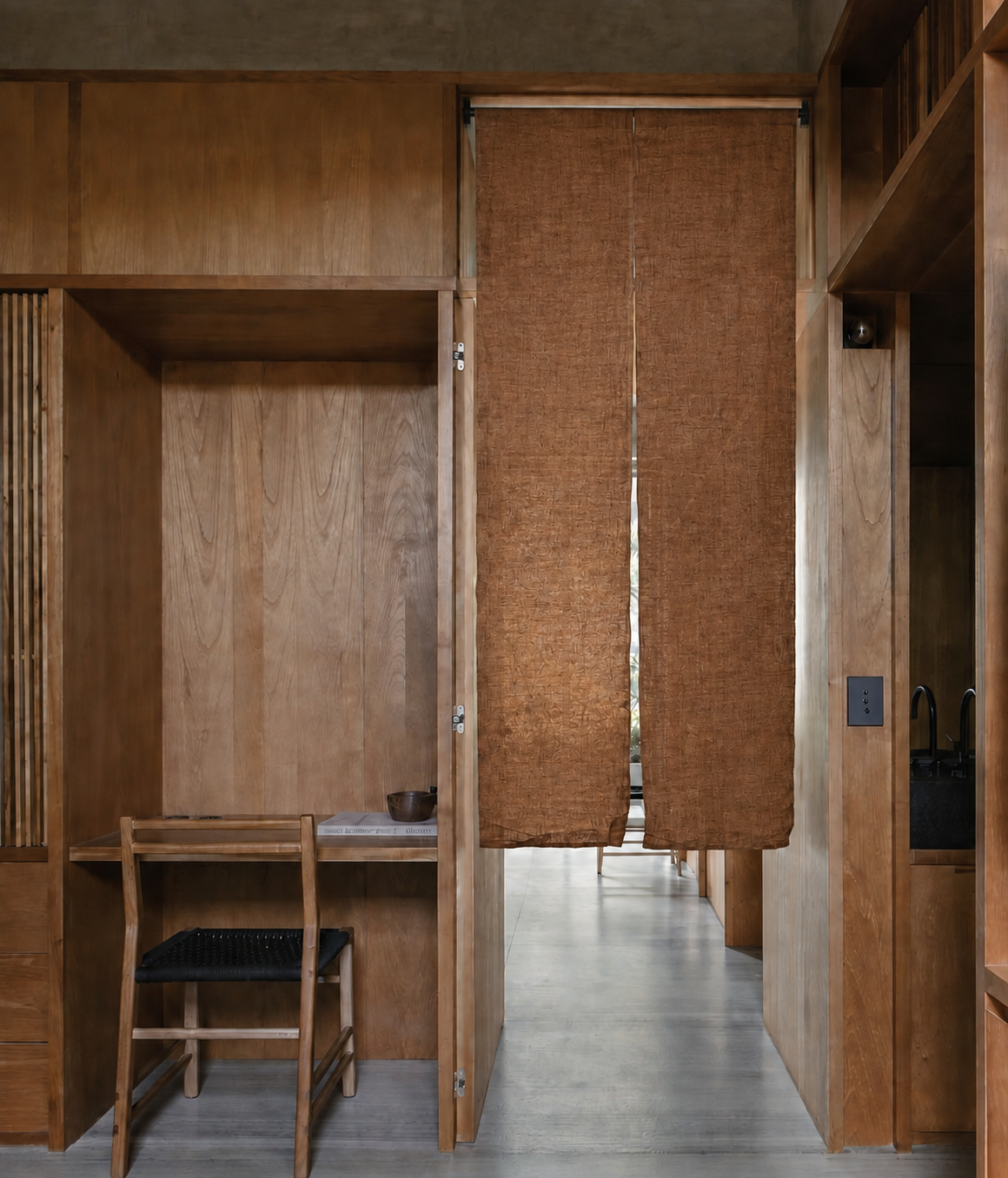 Image 7 of 17
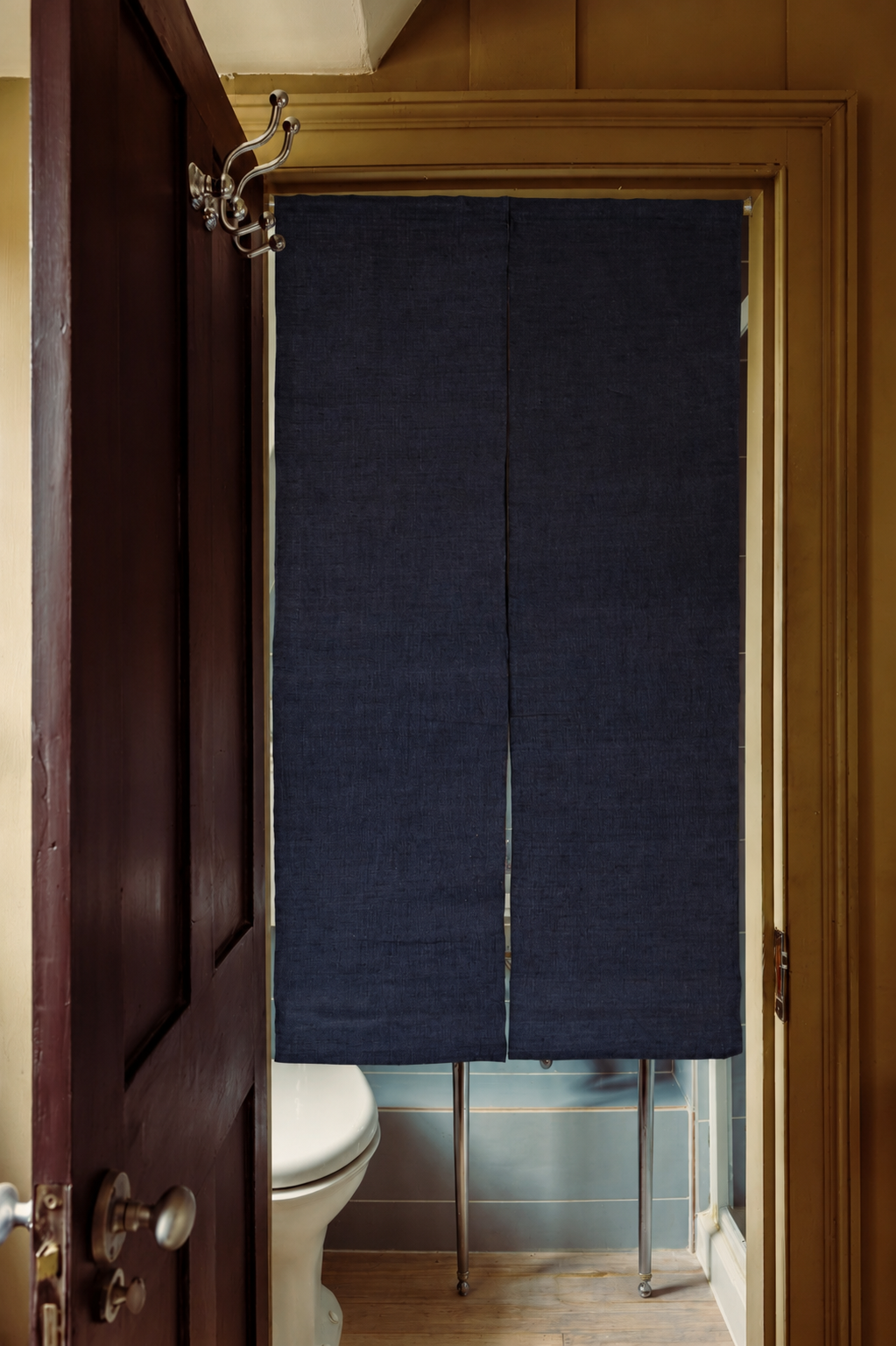 Image 8 of 17
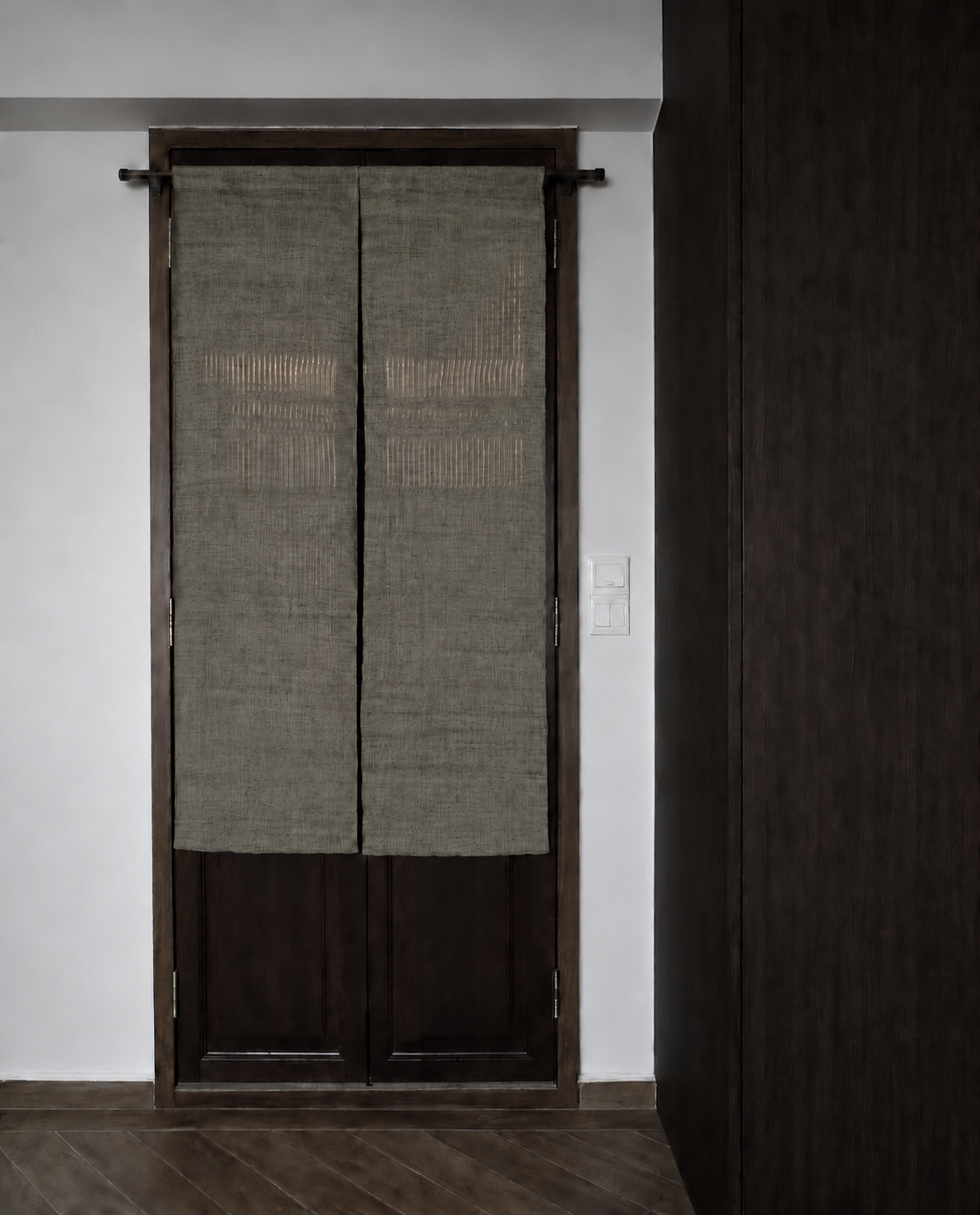 Image 9 of 17
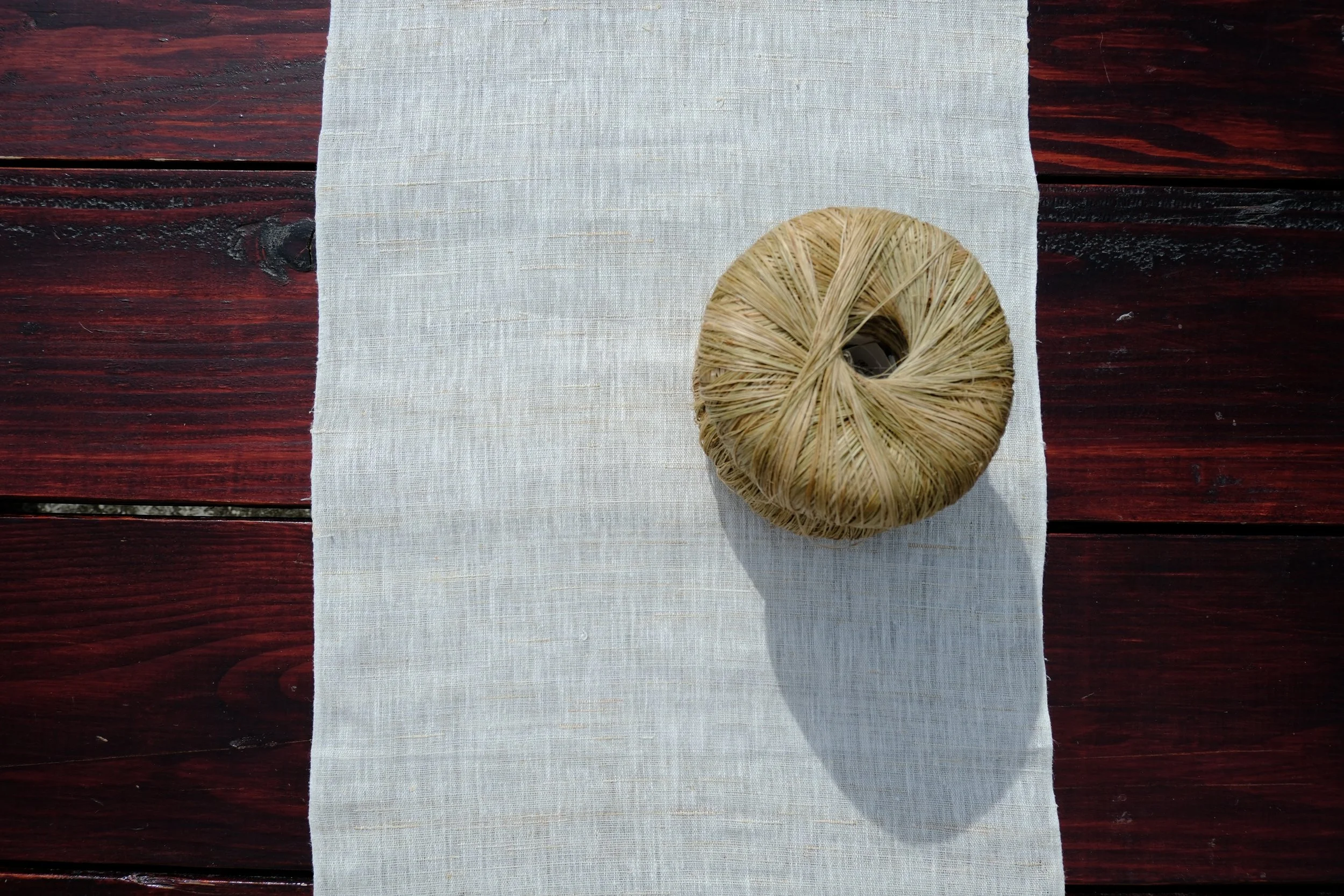 Image 10 of 17
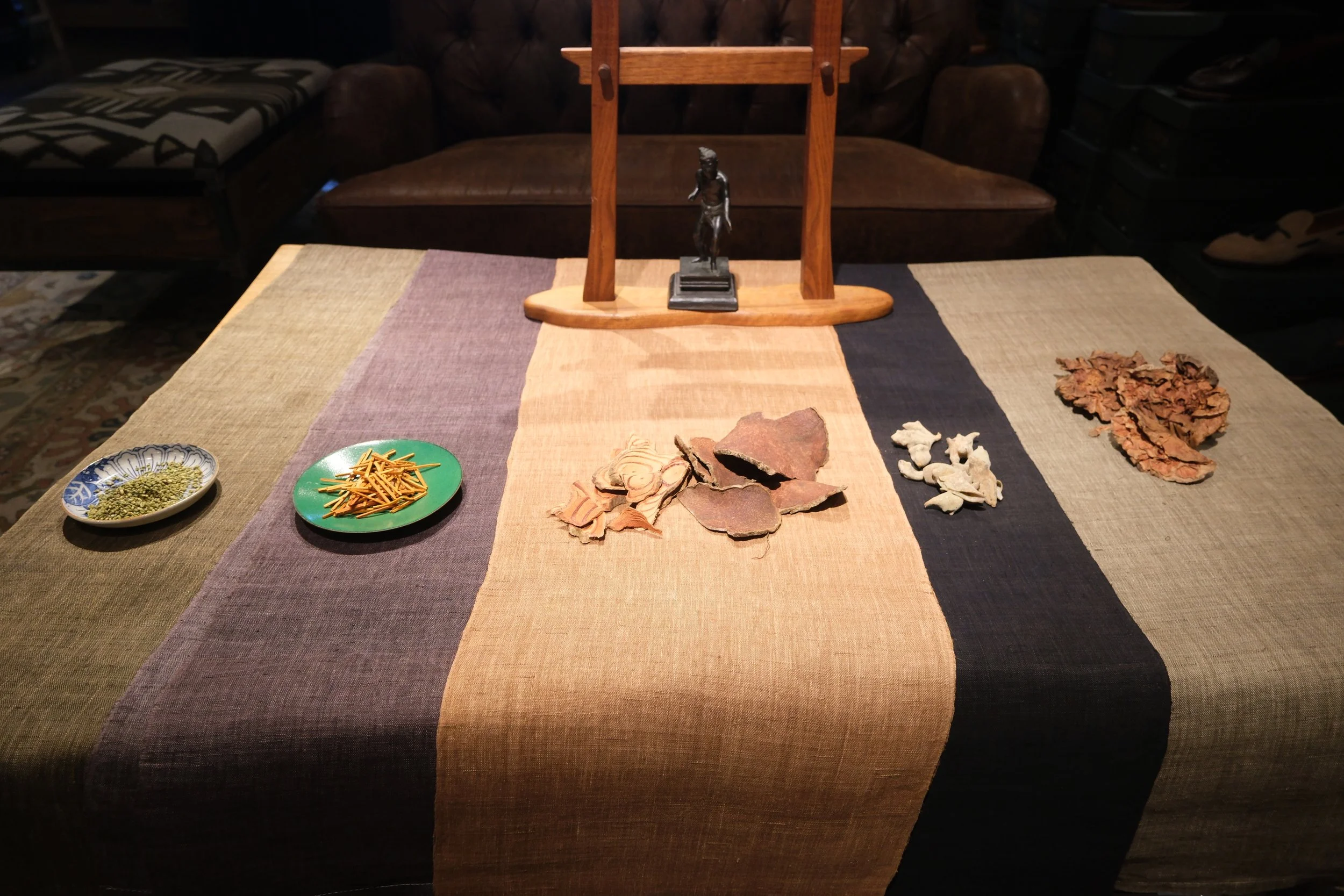 Image 11 of 17
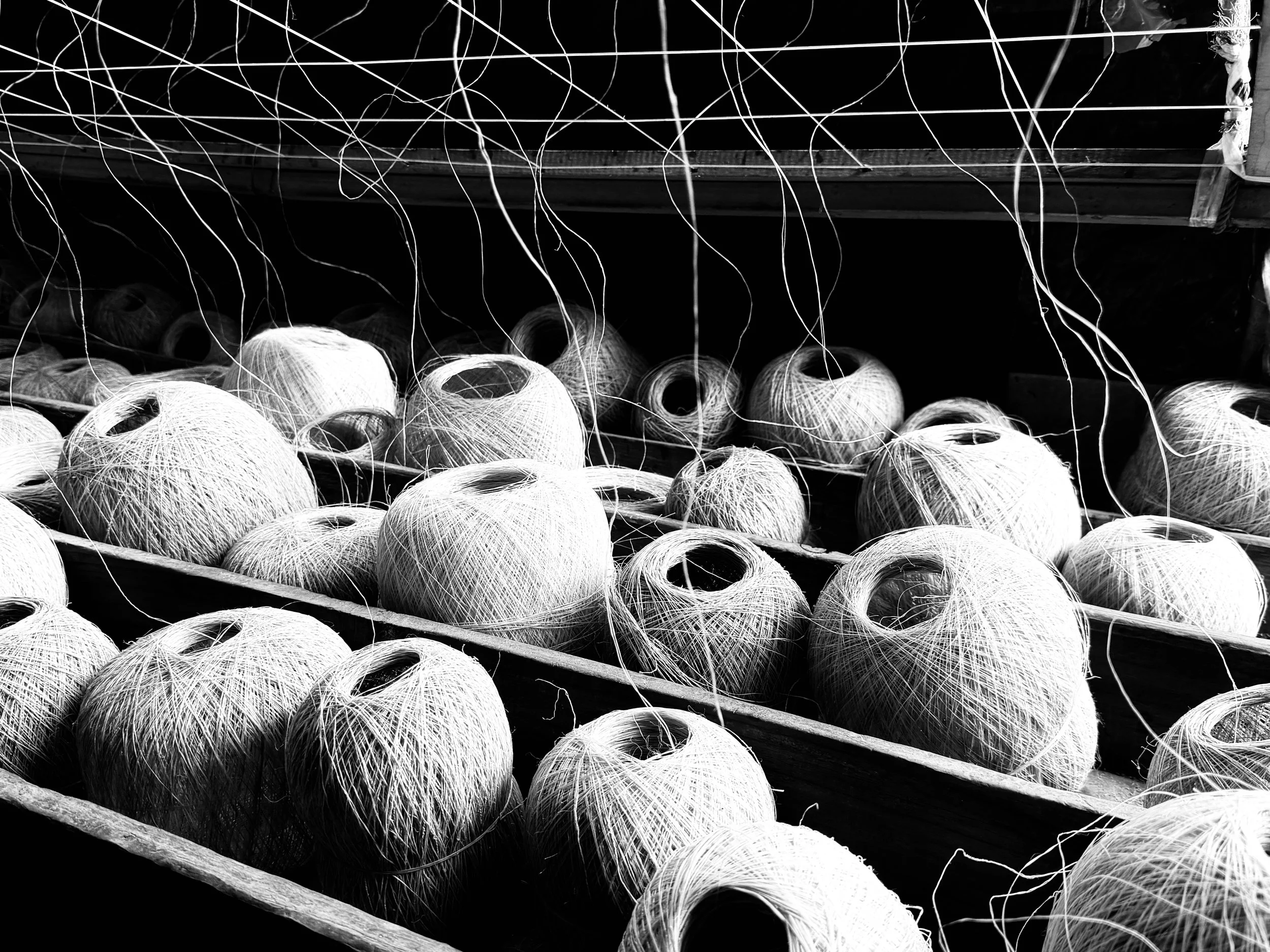 Image 12 of 17
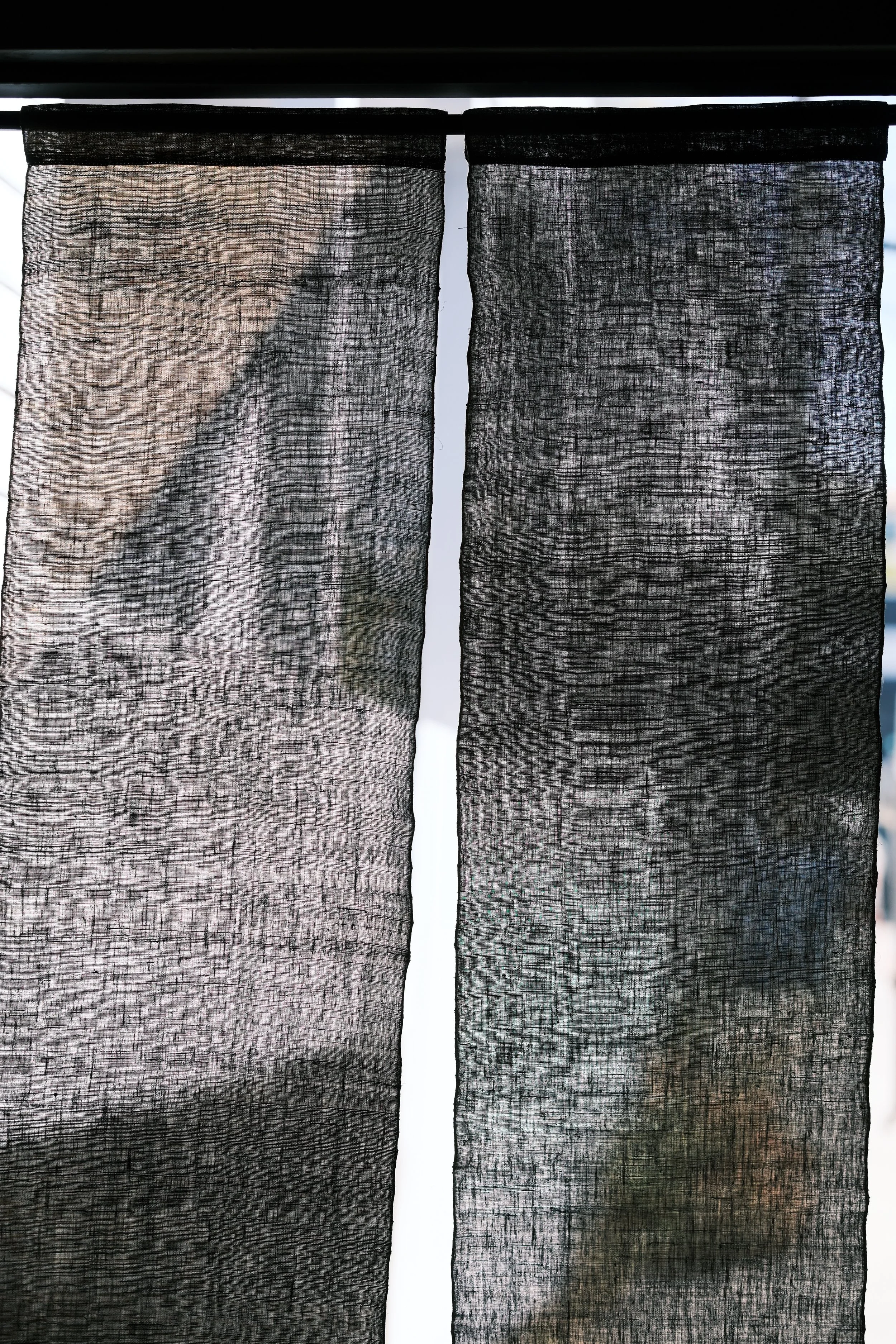 Image 13 of 17
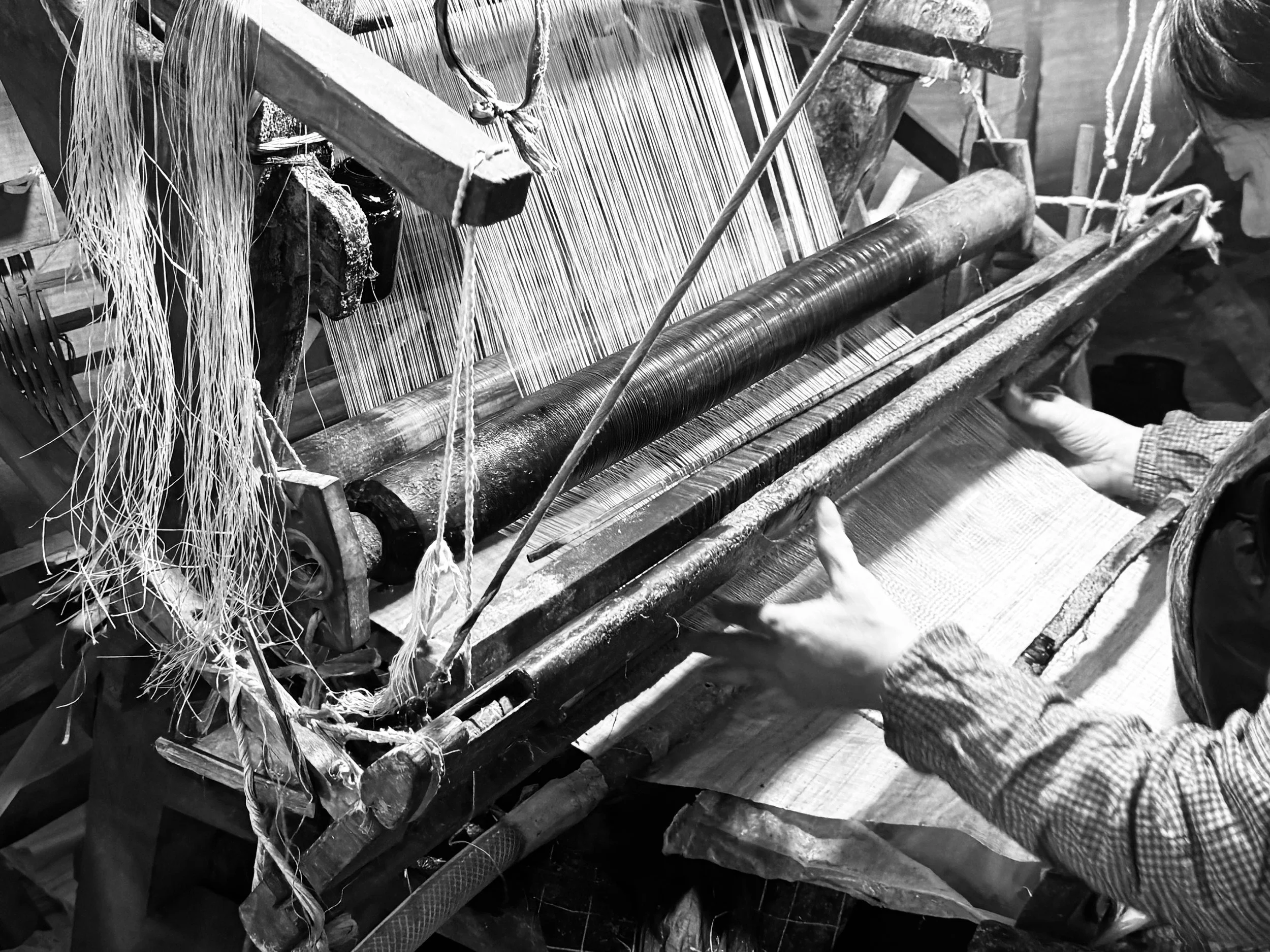 Image 14 of 17
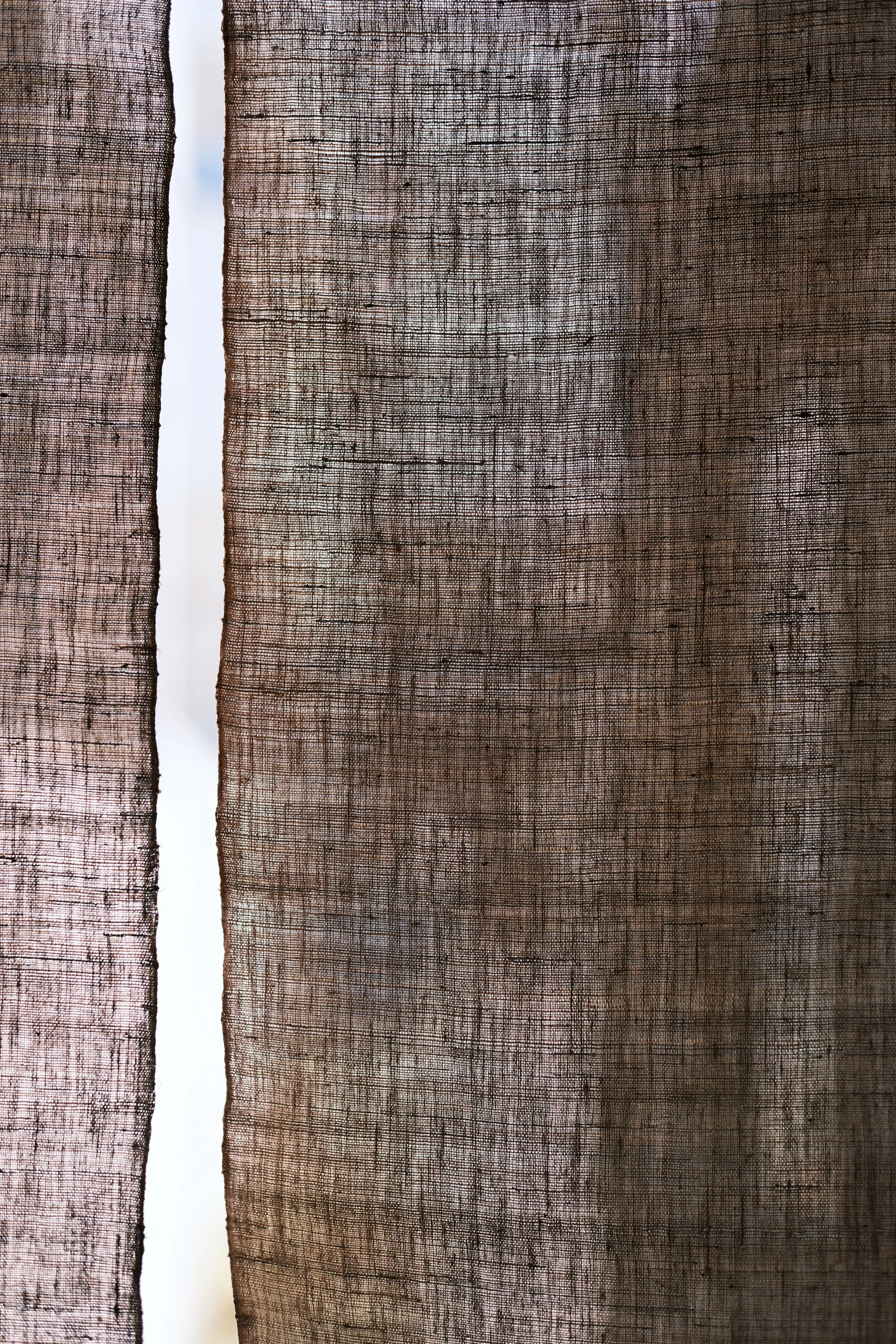 Image 15 of 17
 Image 16 of 17
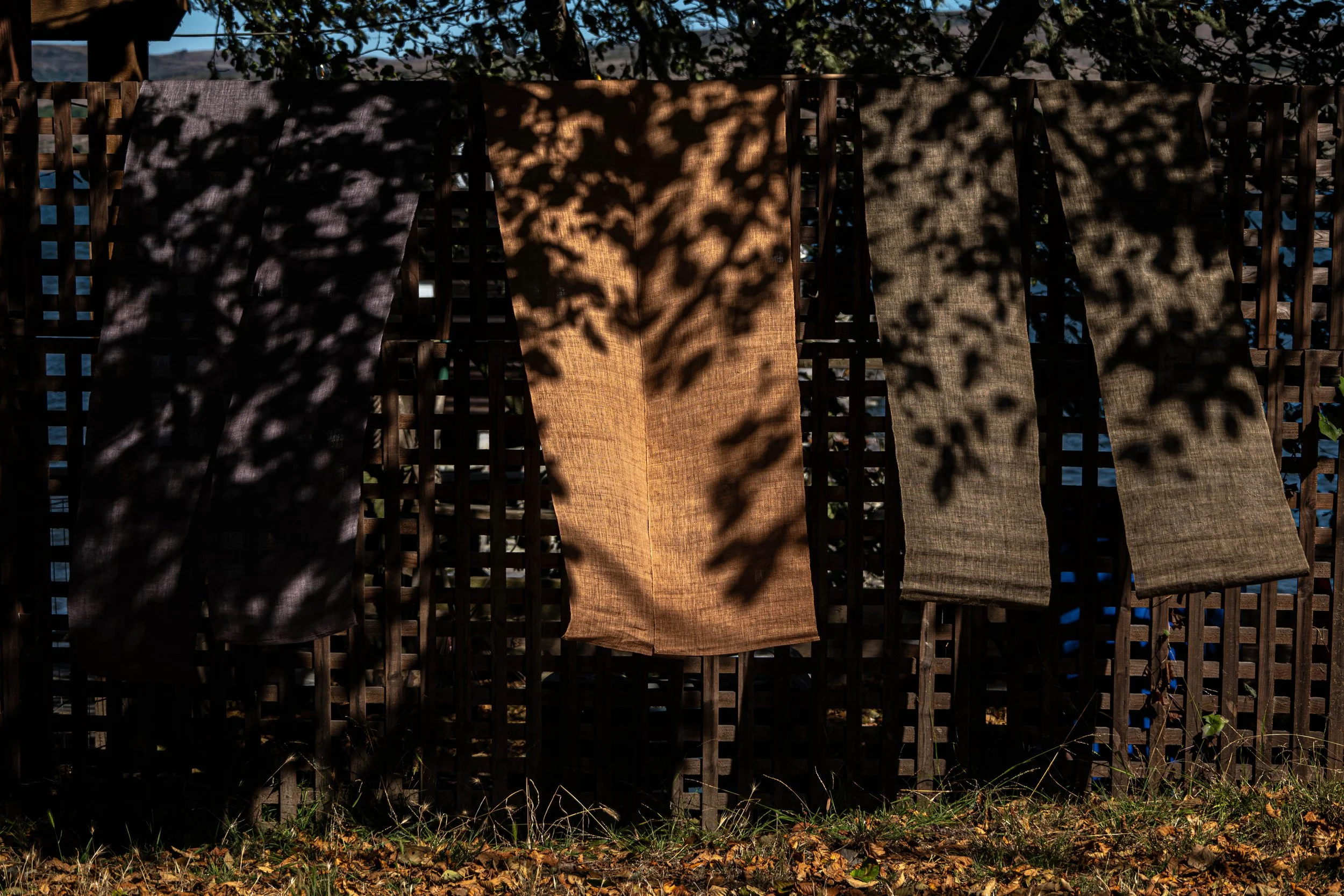 Image 17 of 17