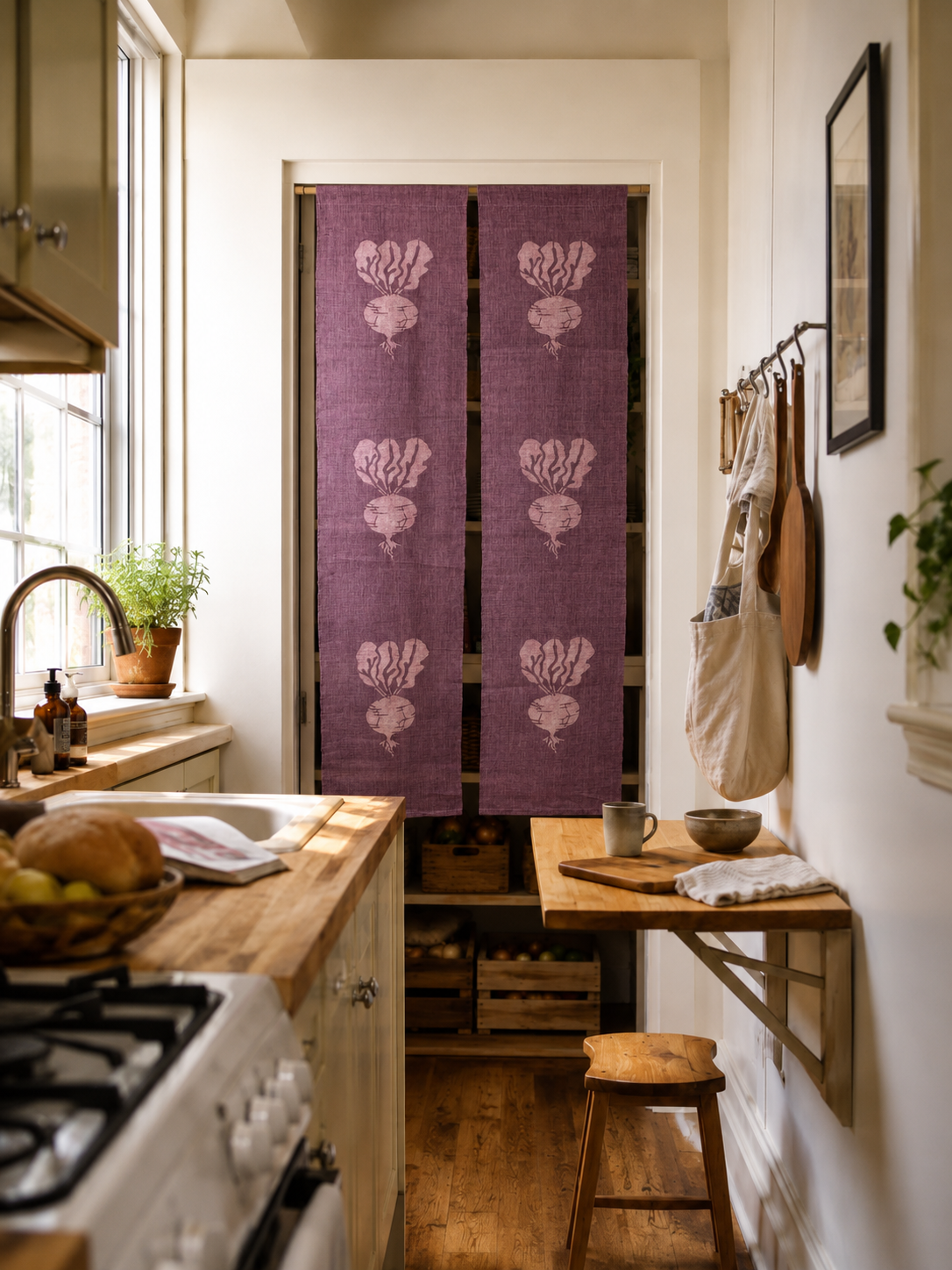
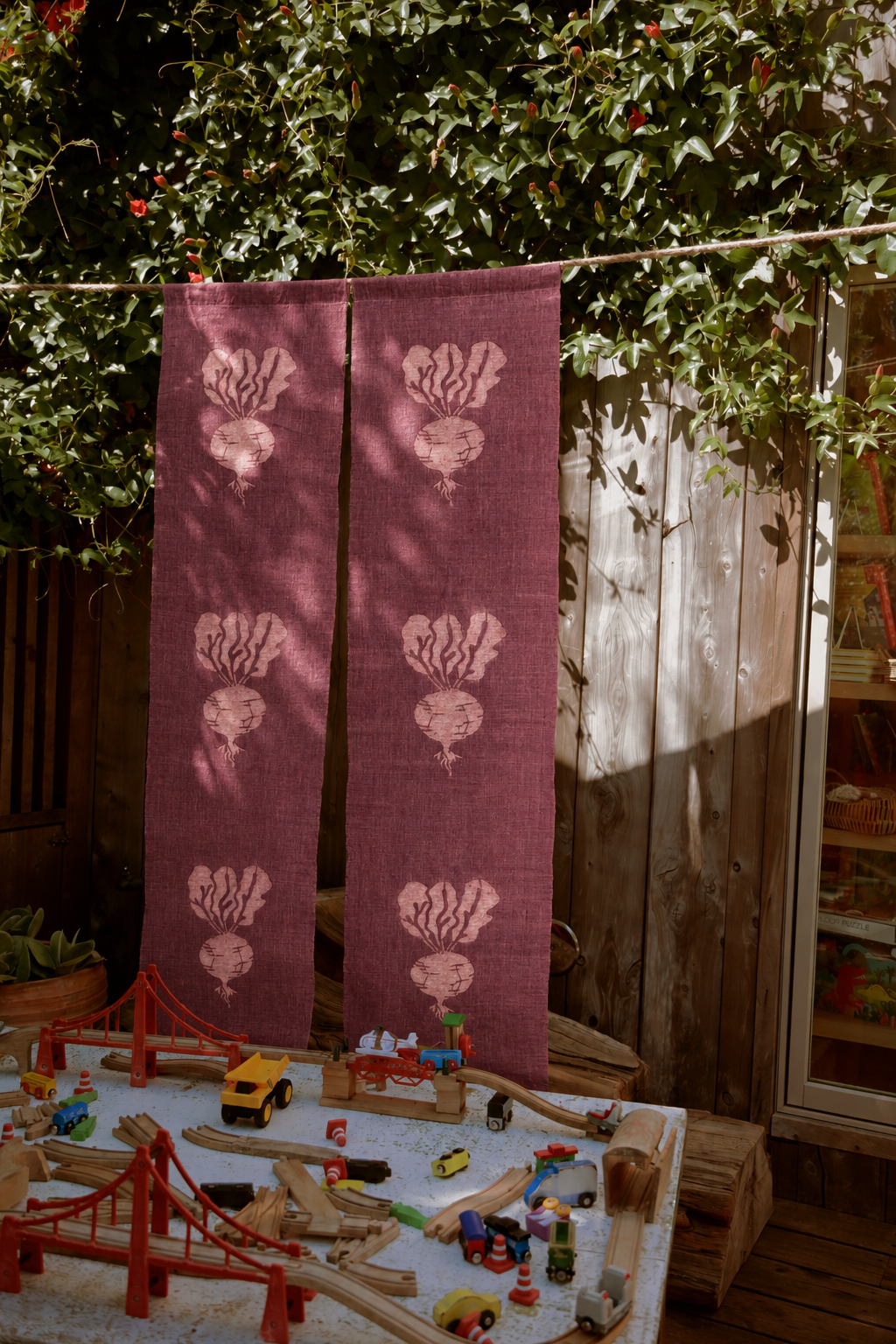
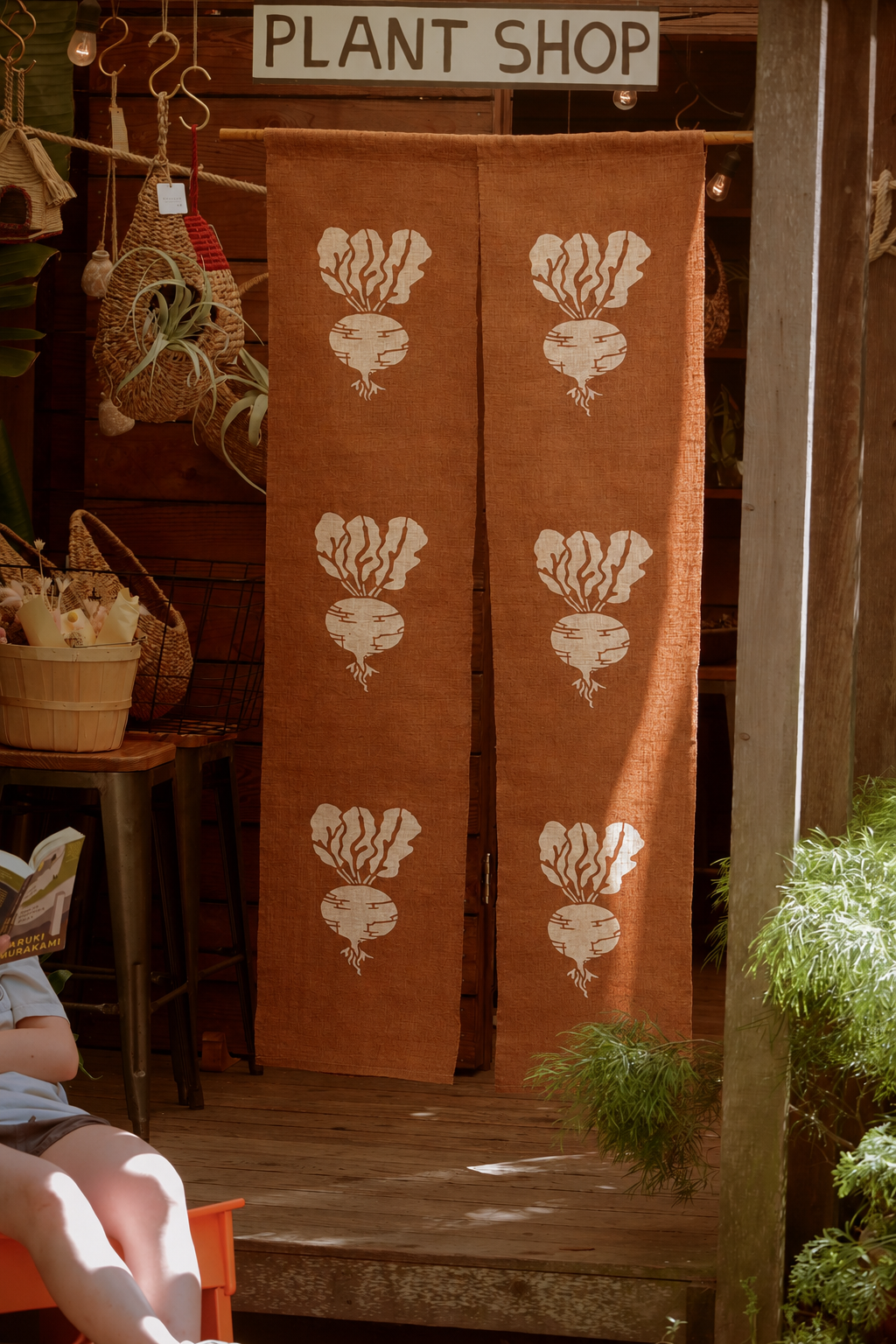
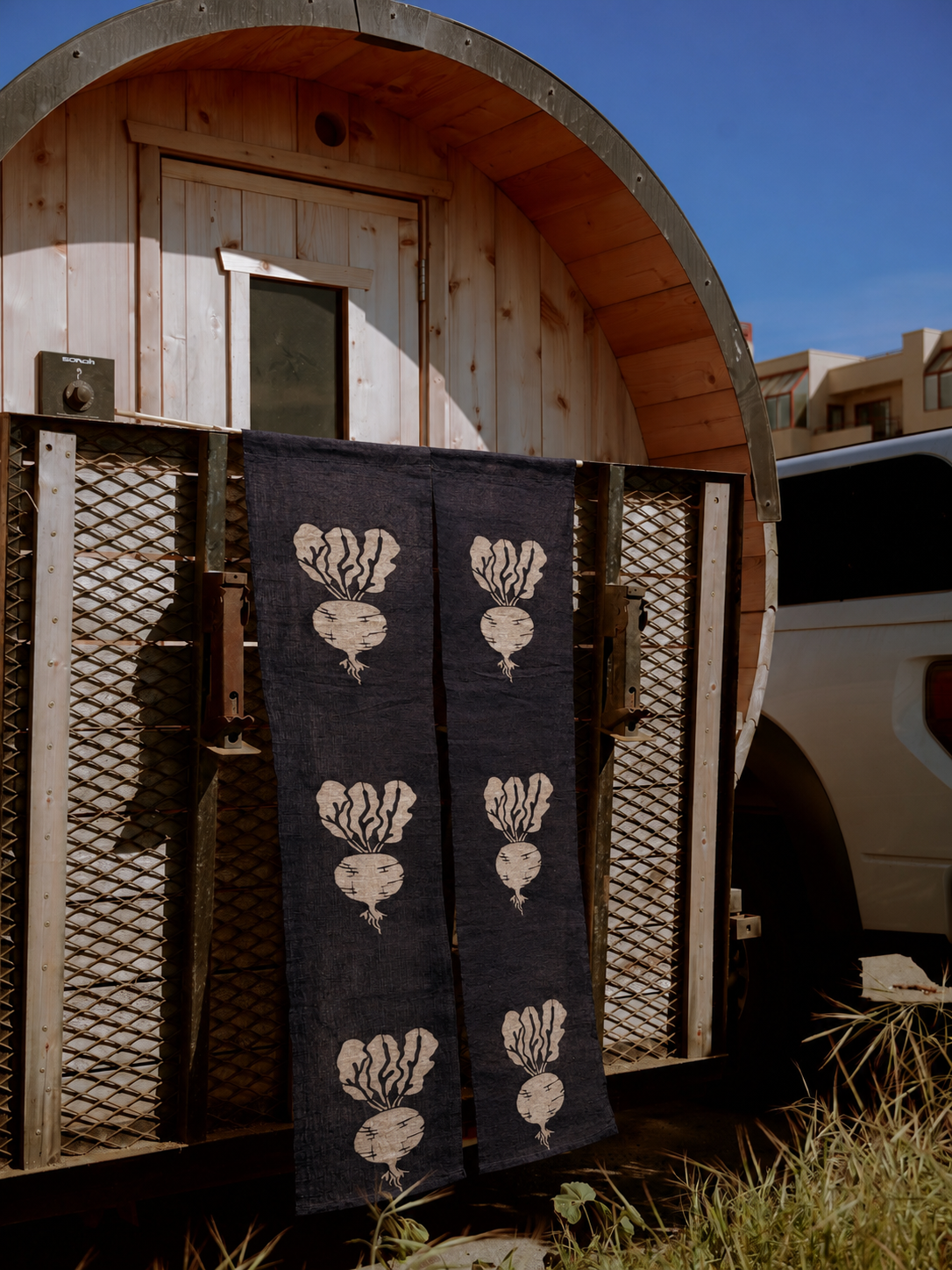
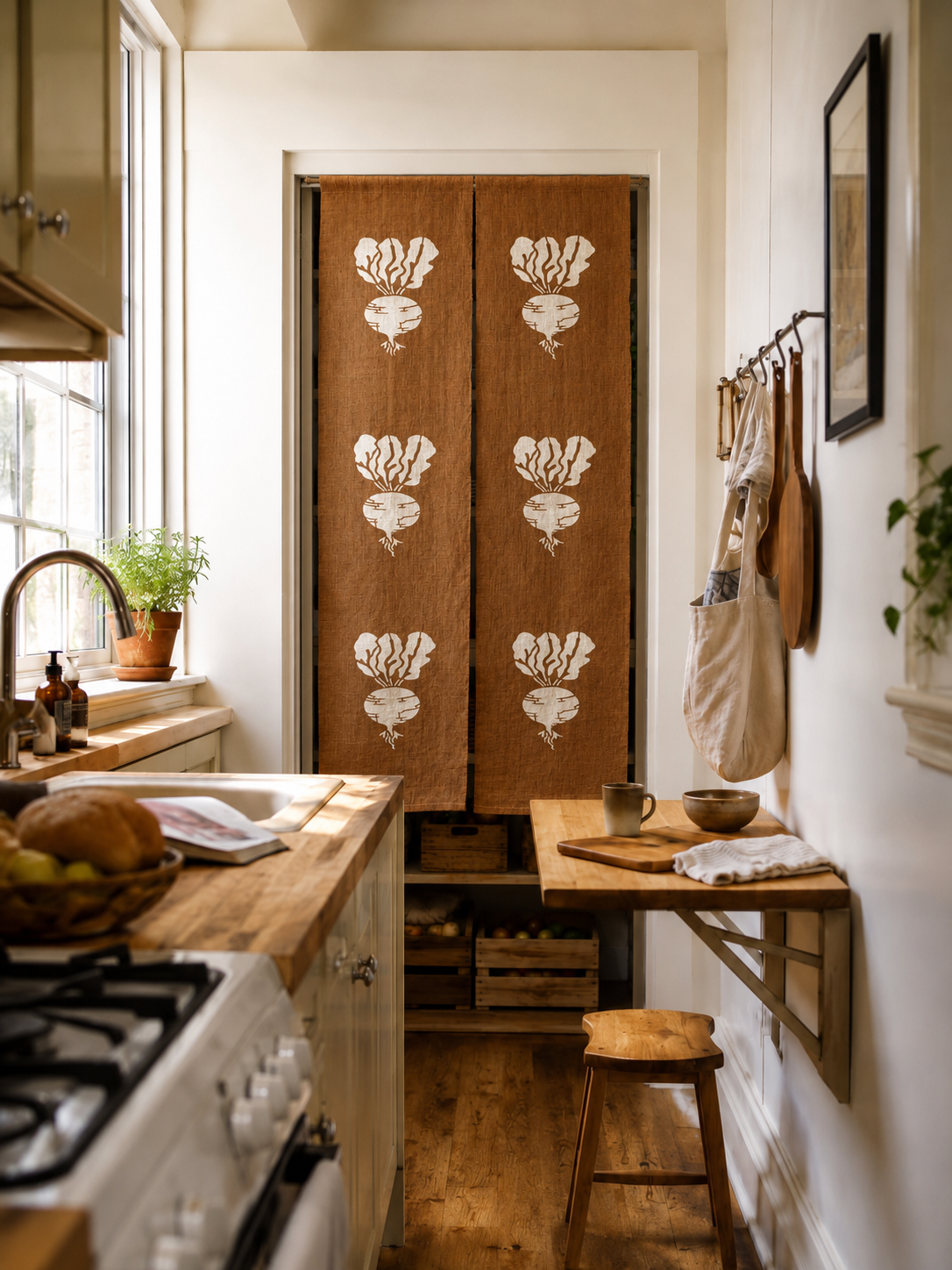
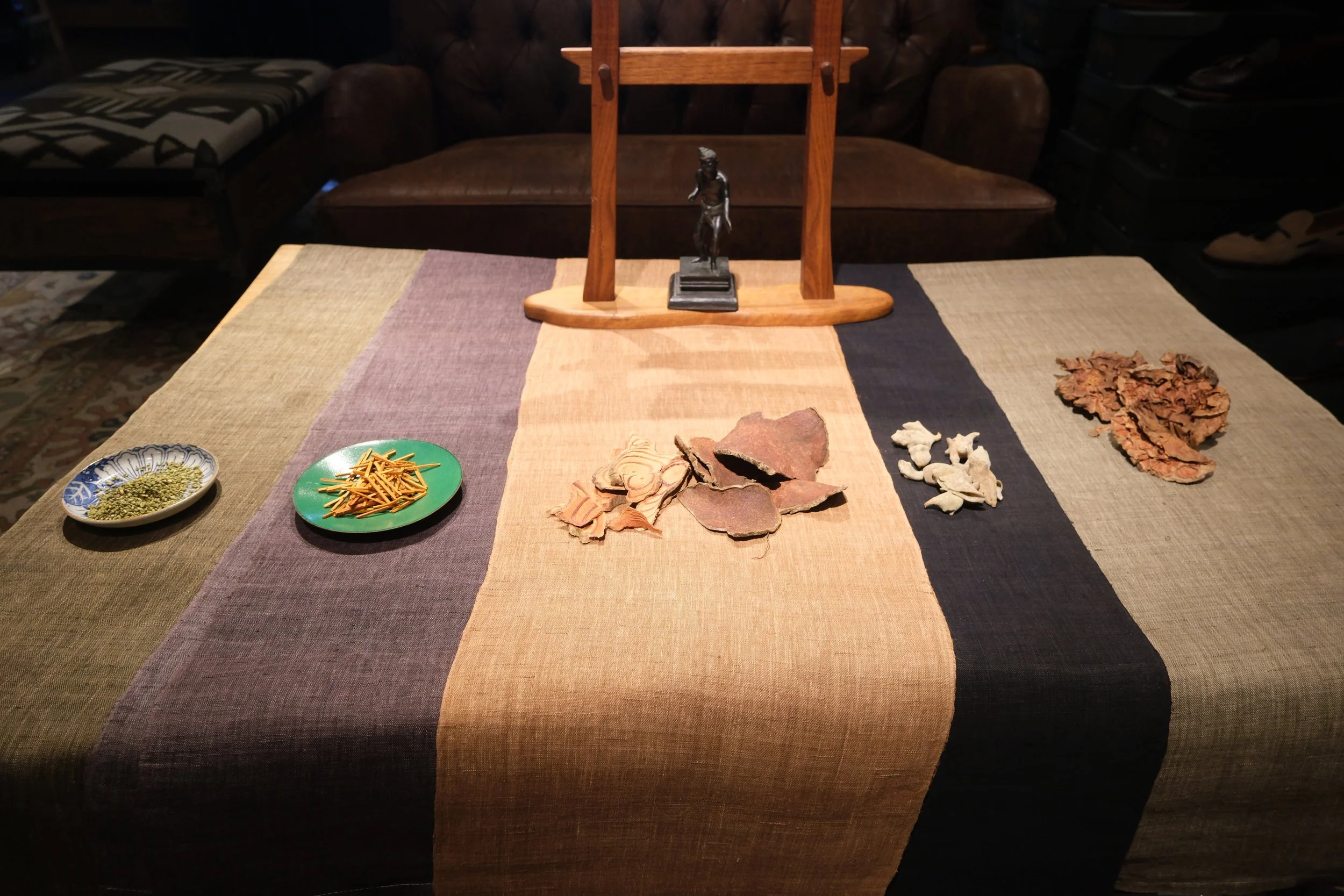
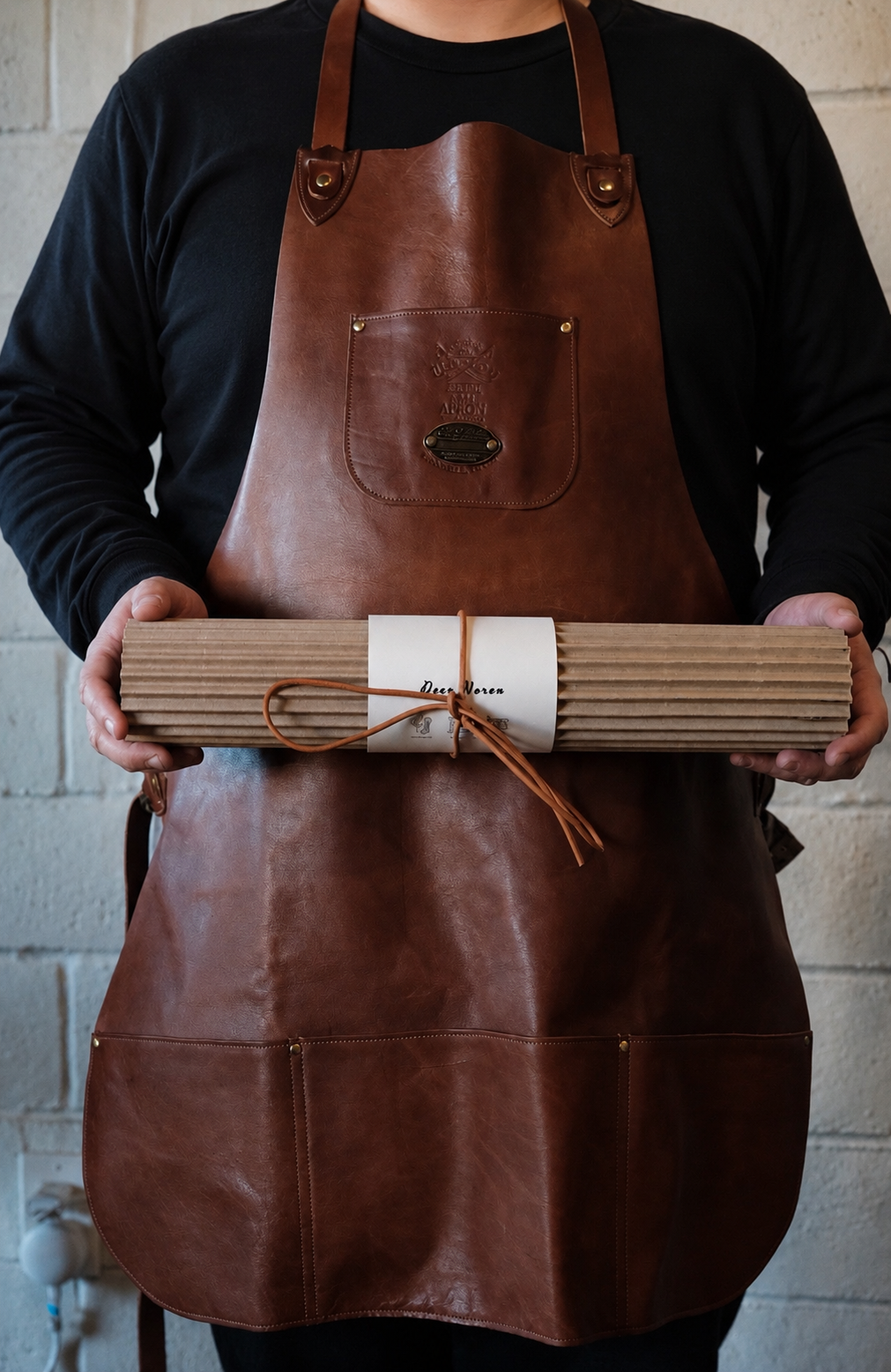
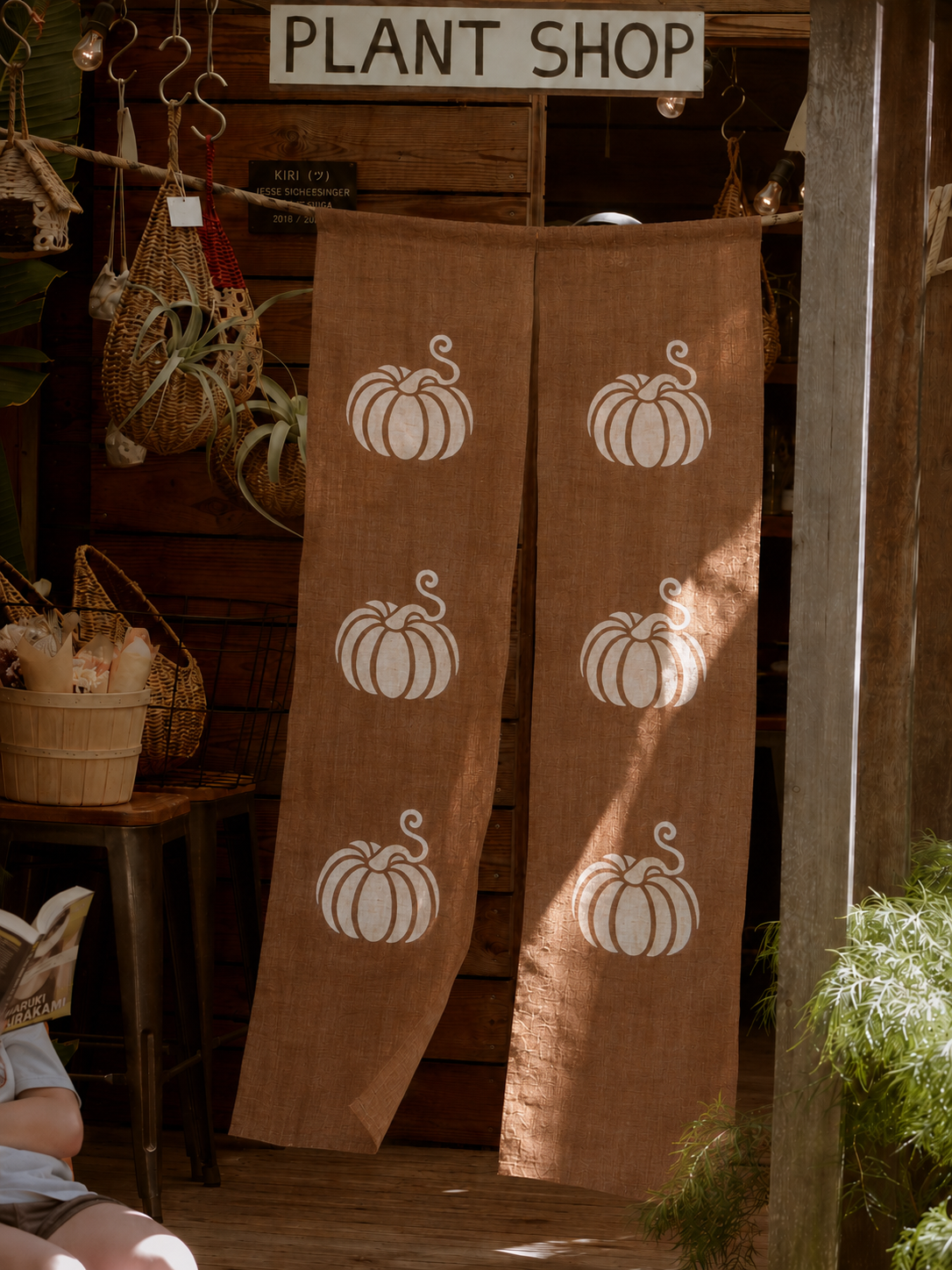
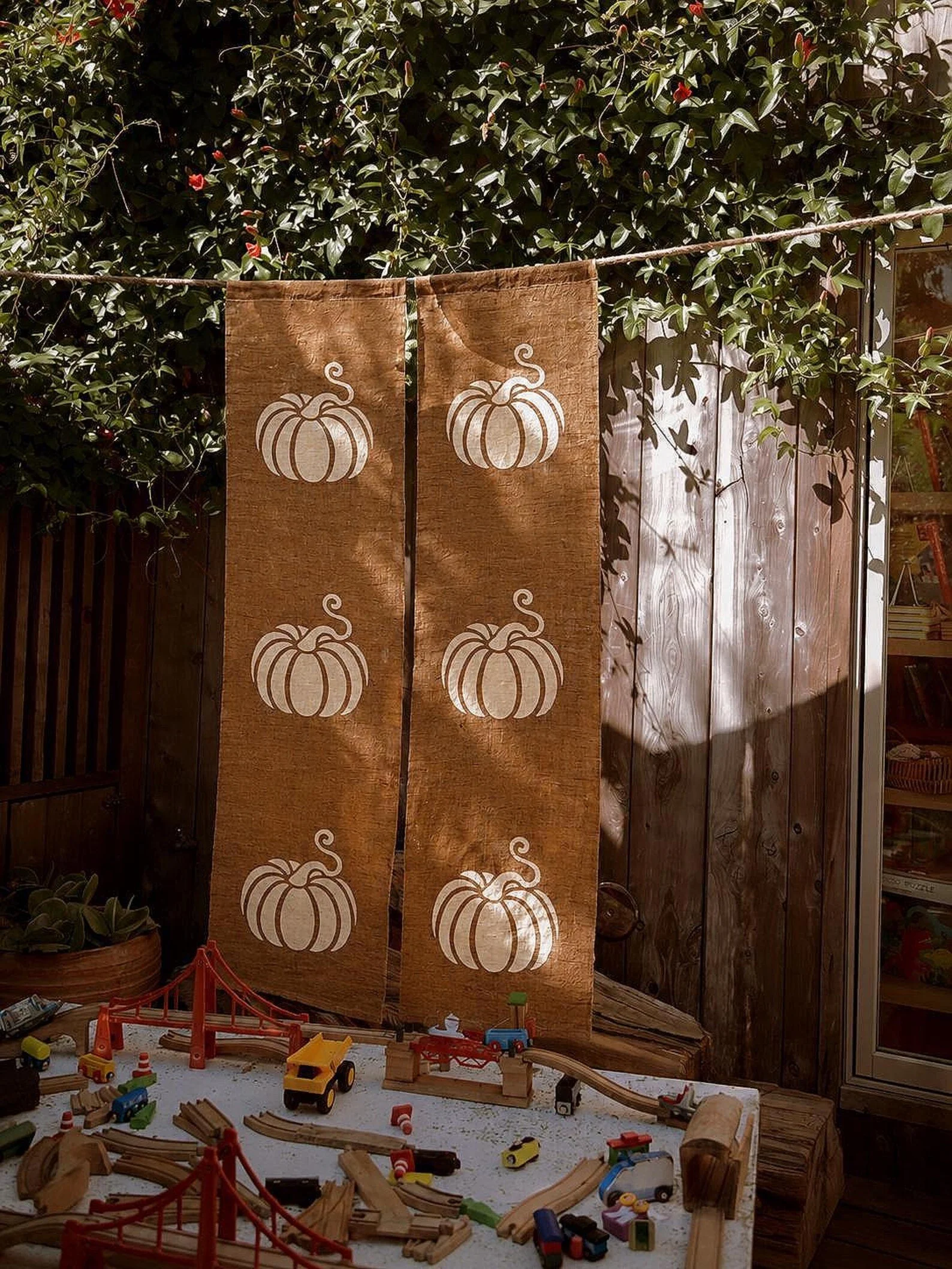
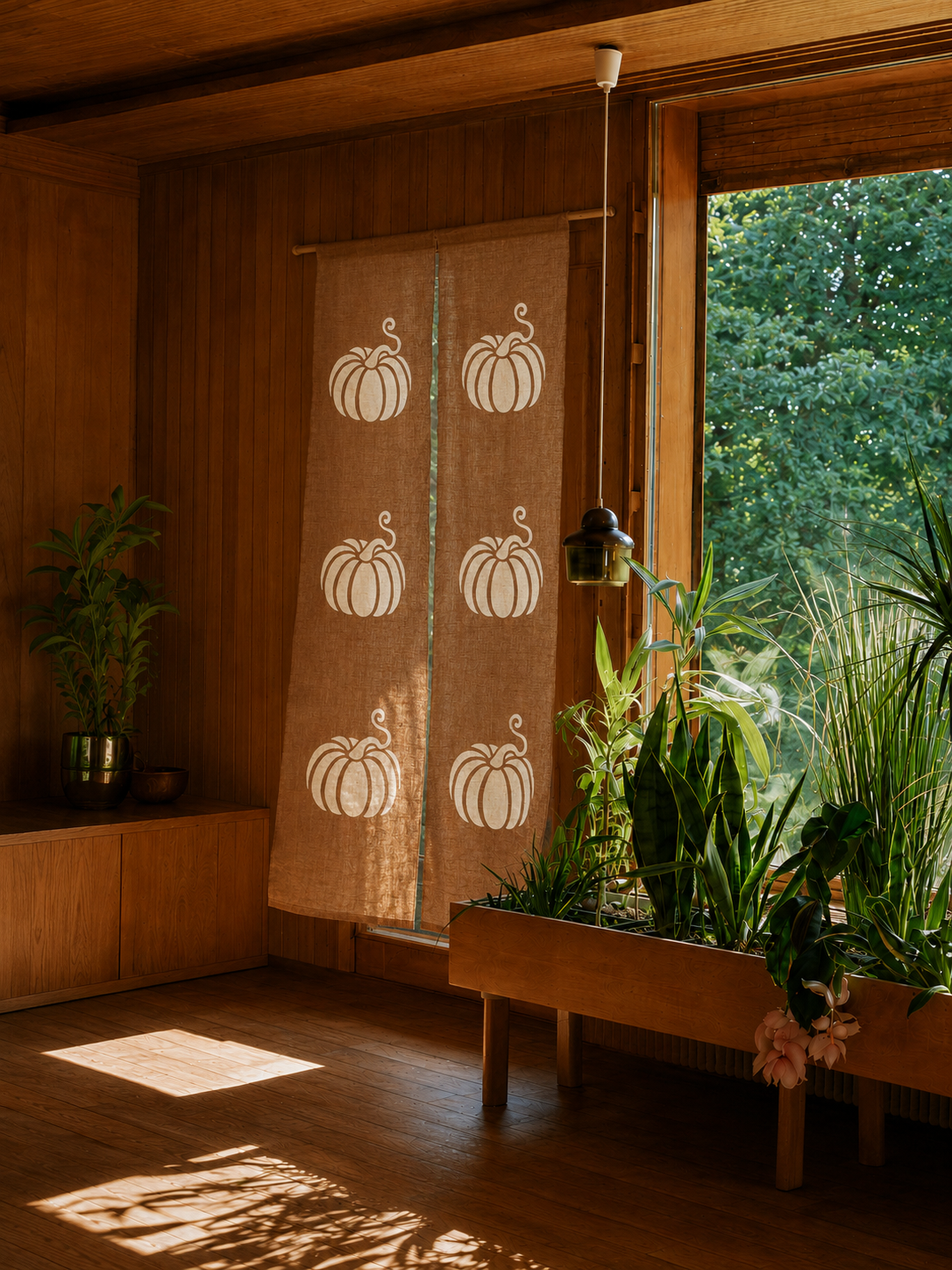
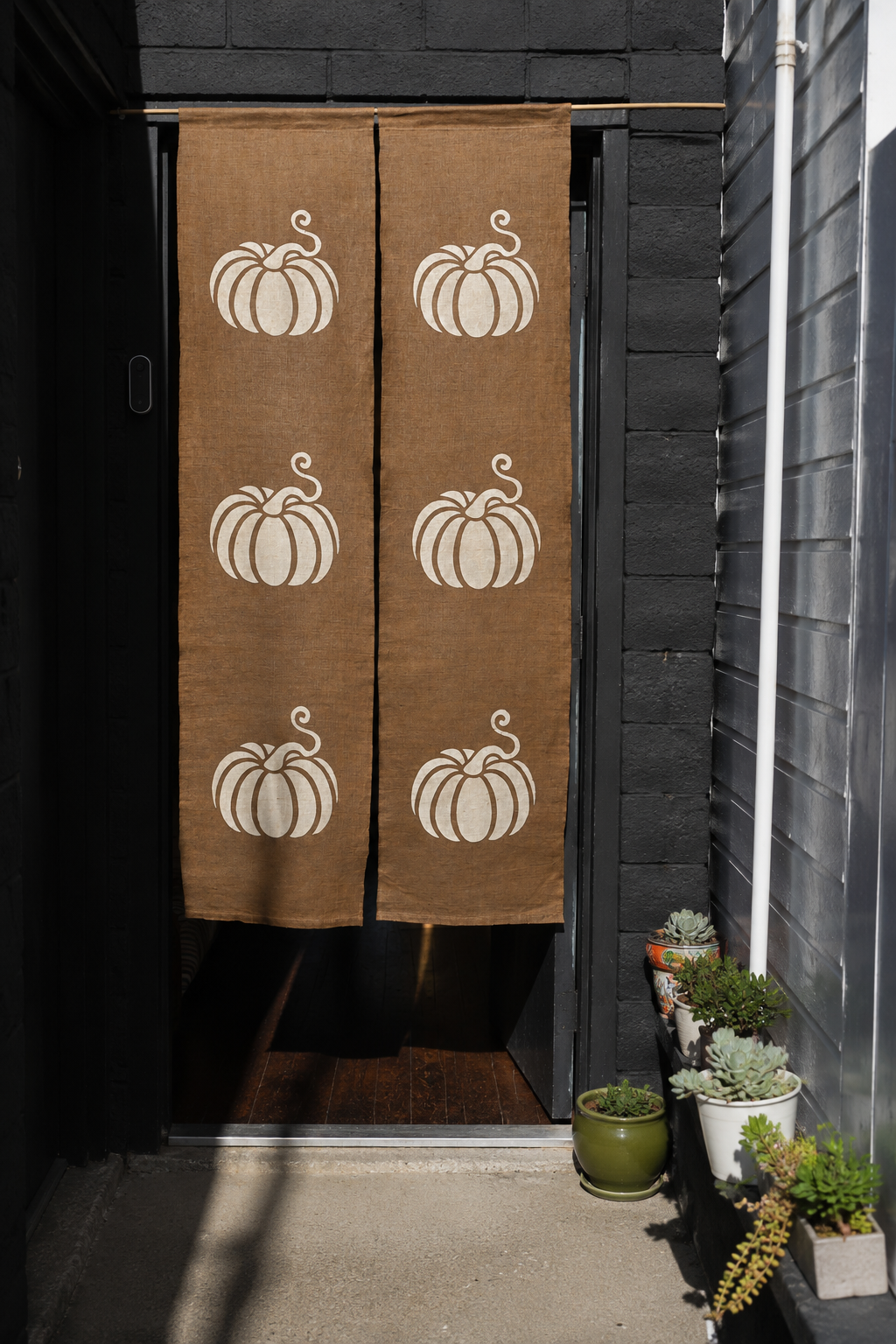
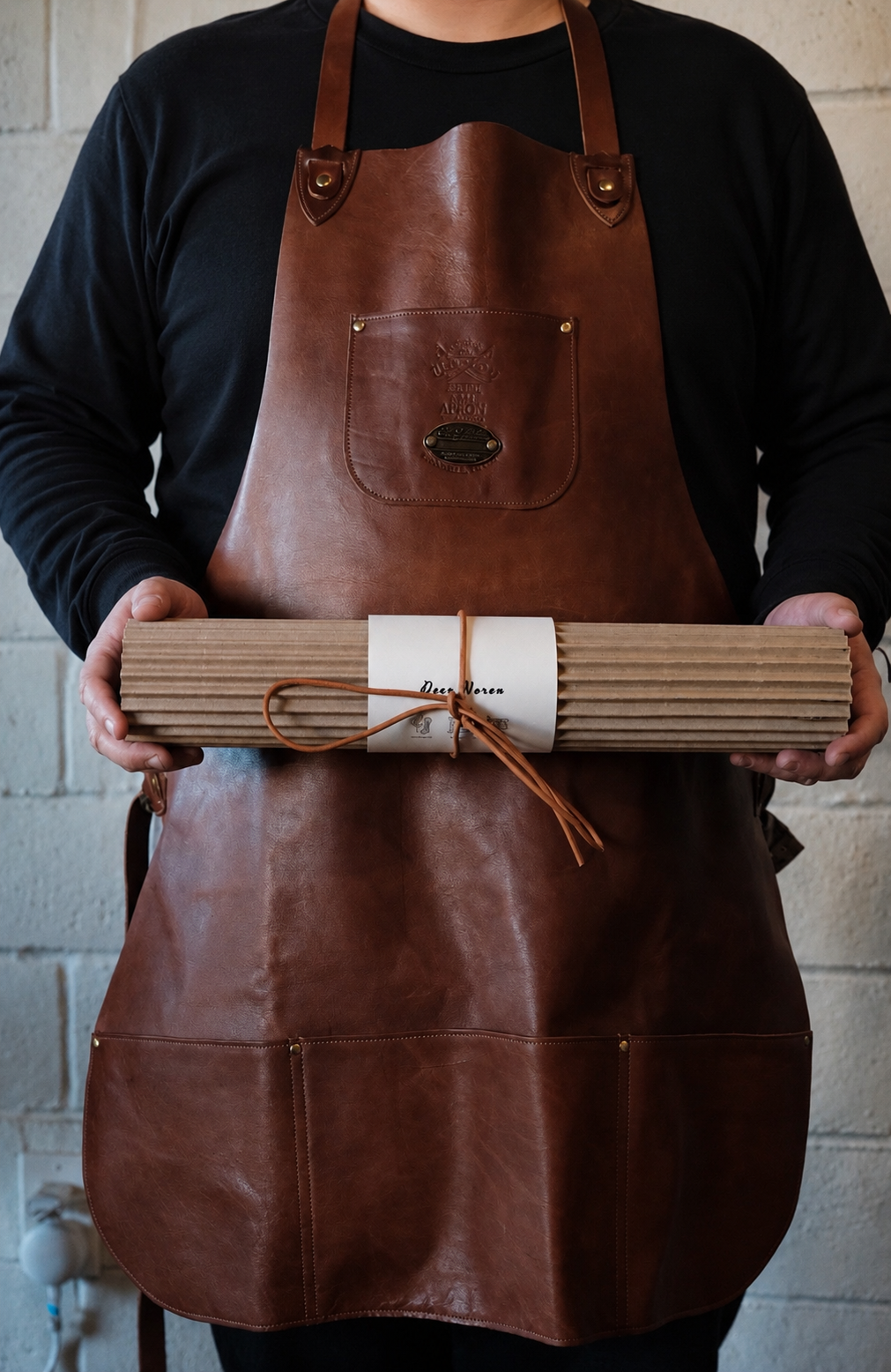
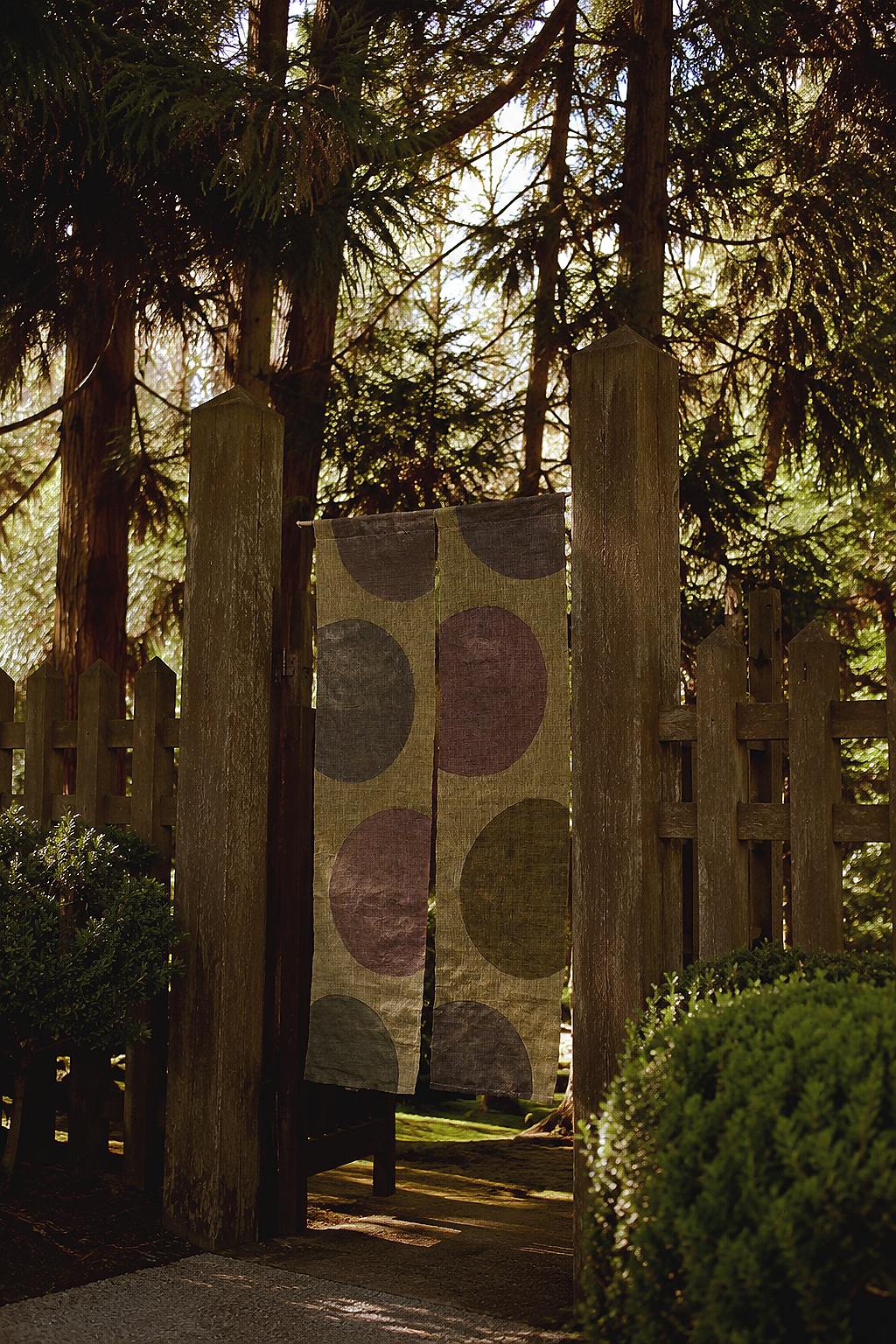
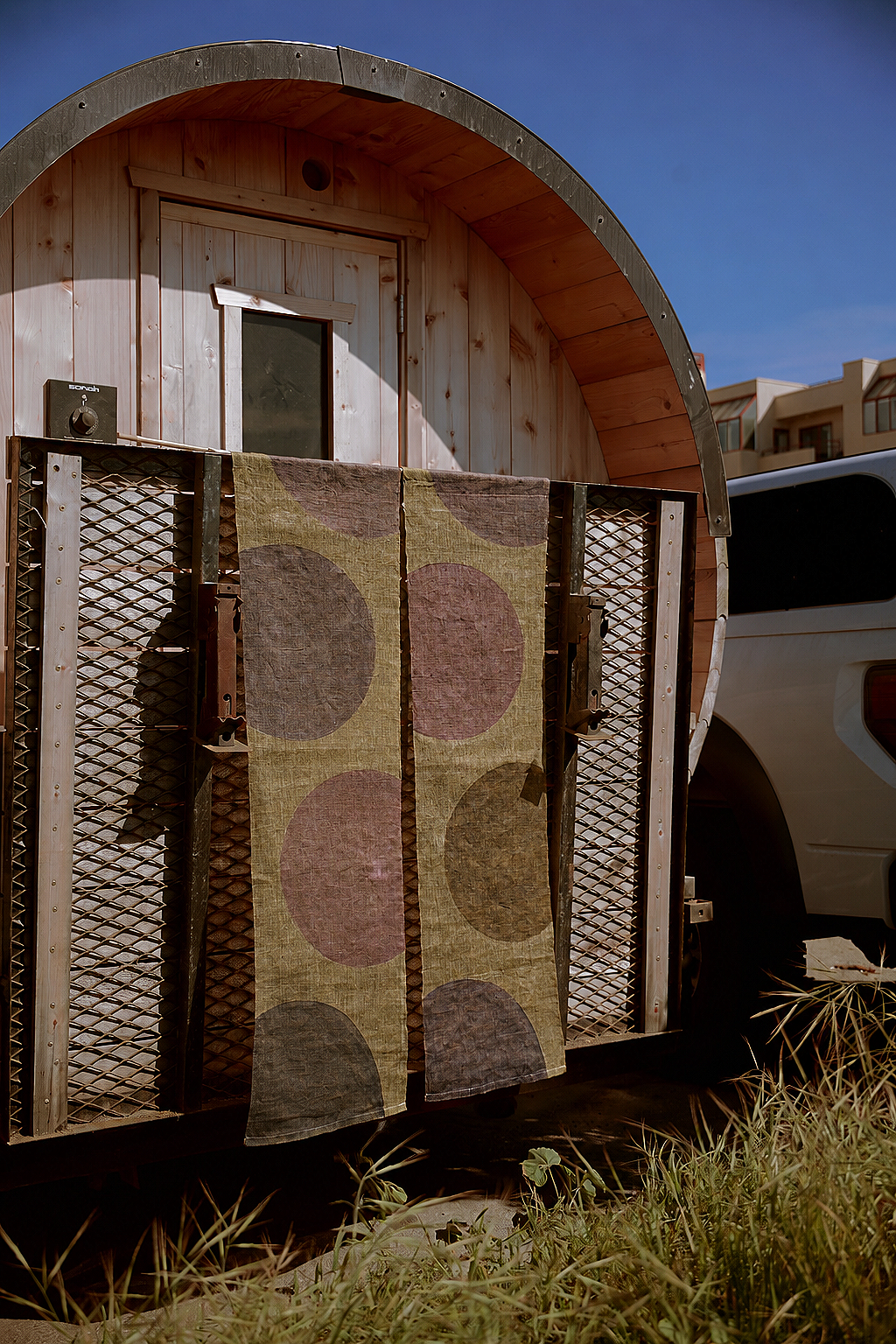
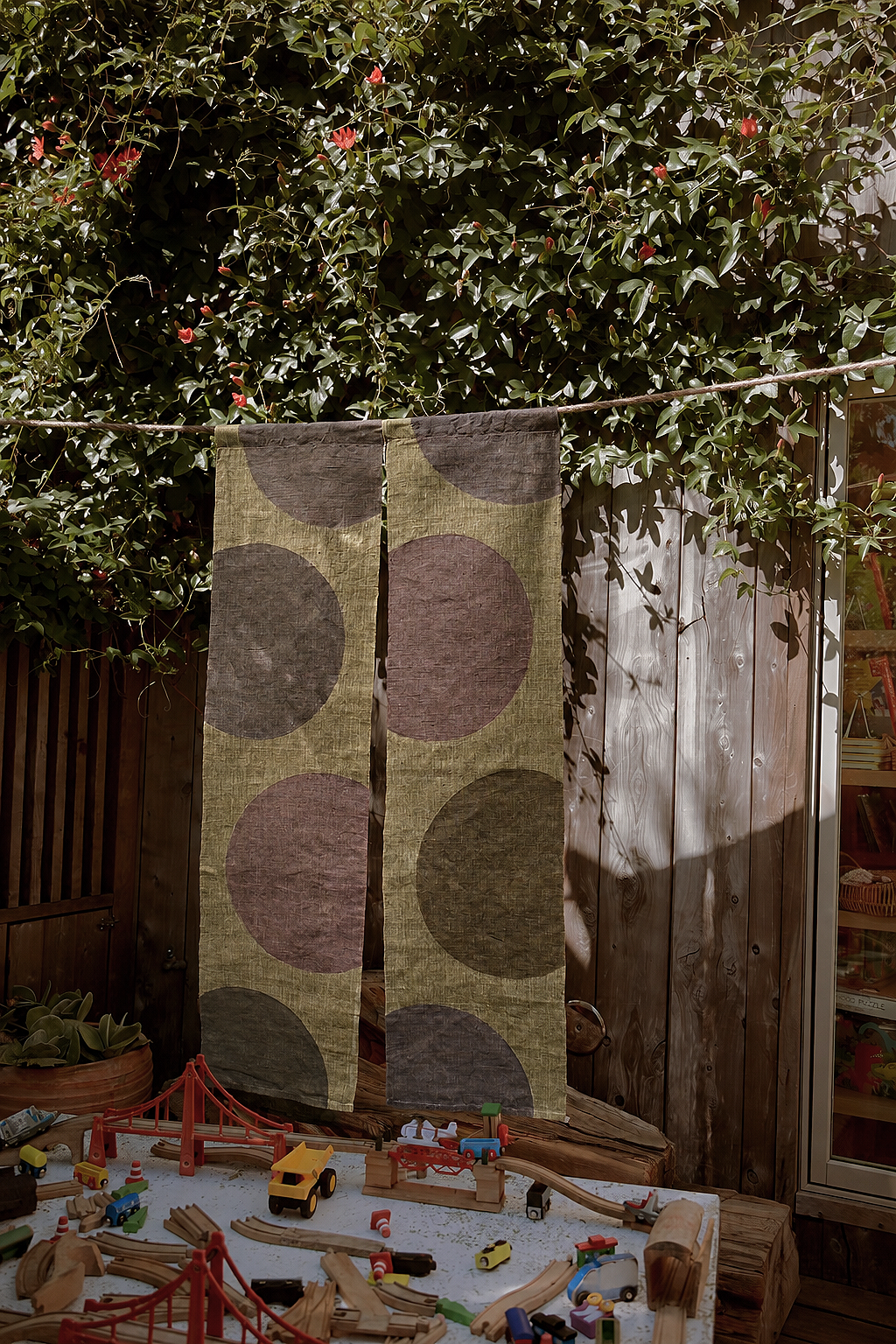
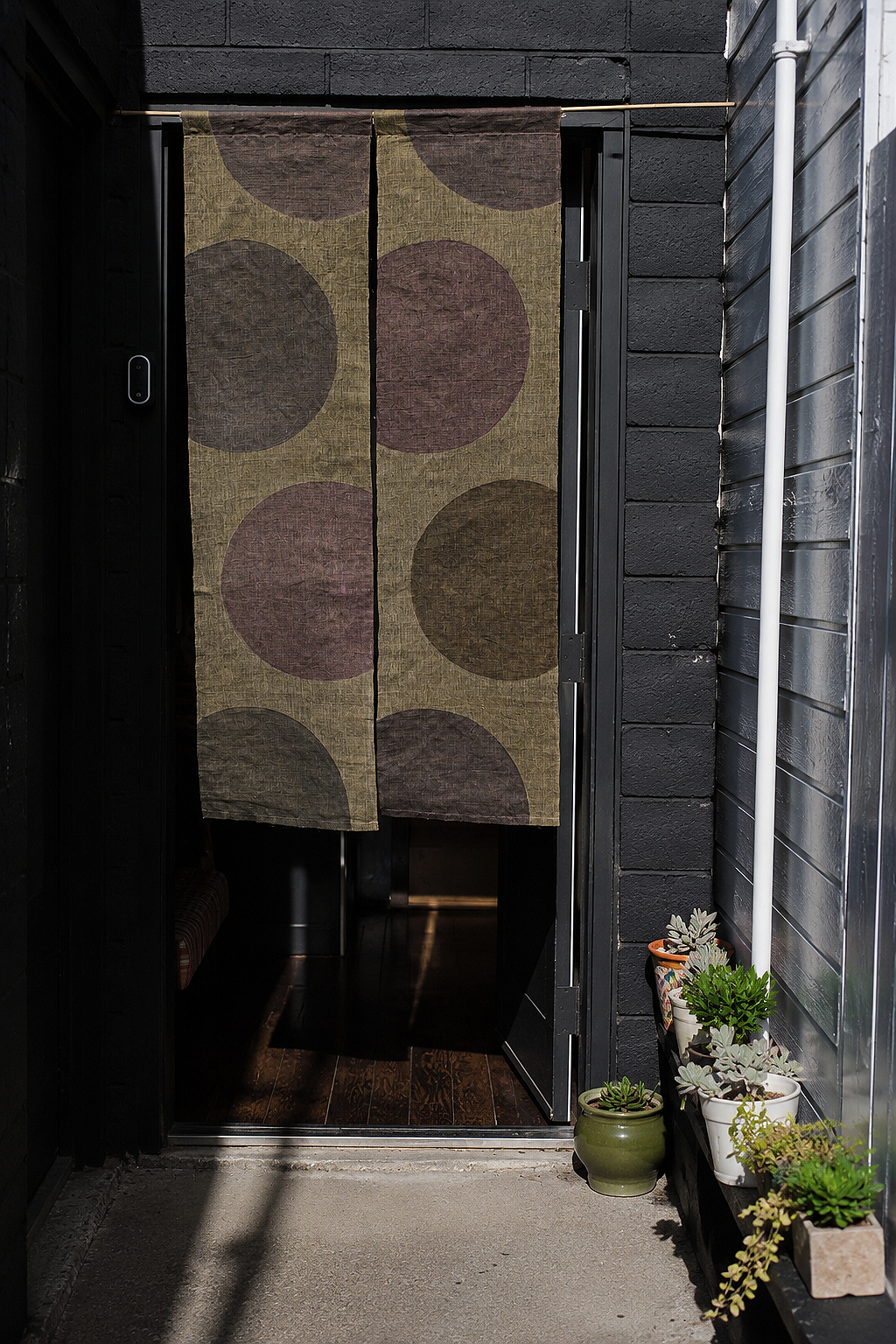
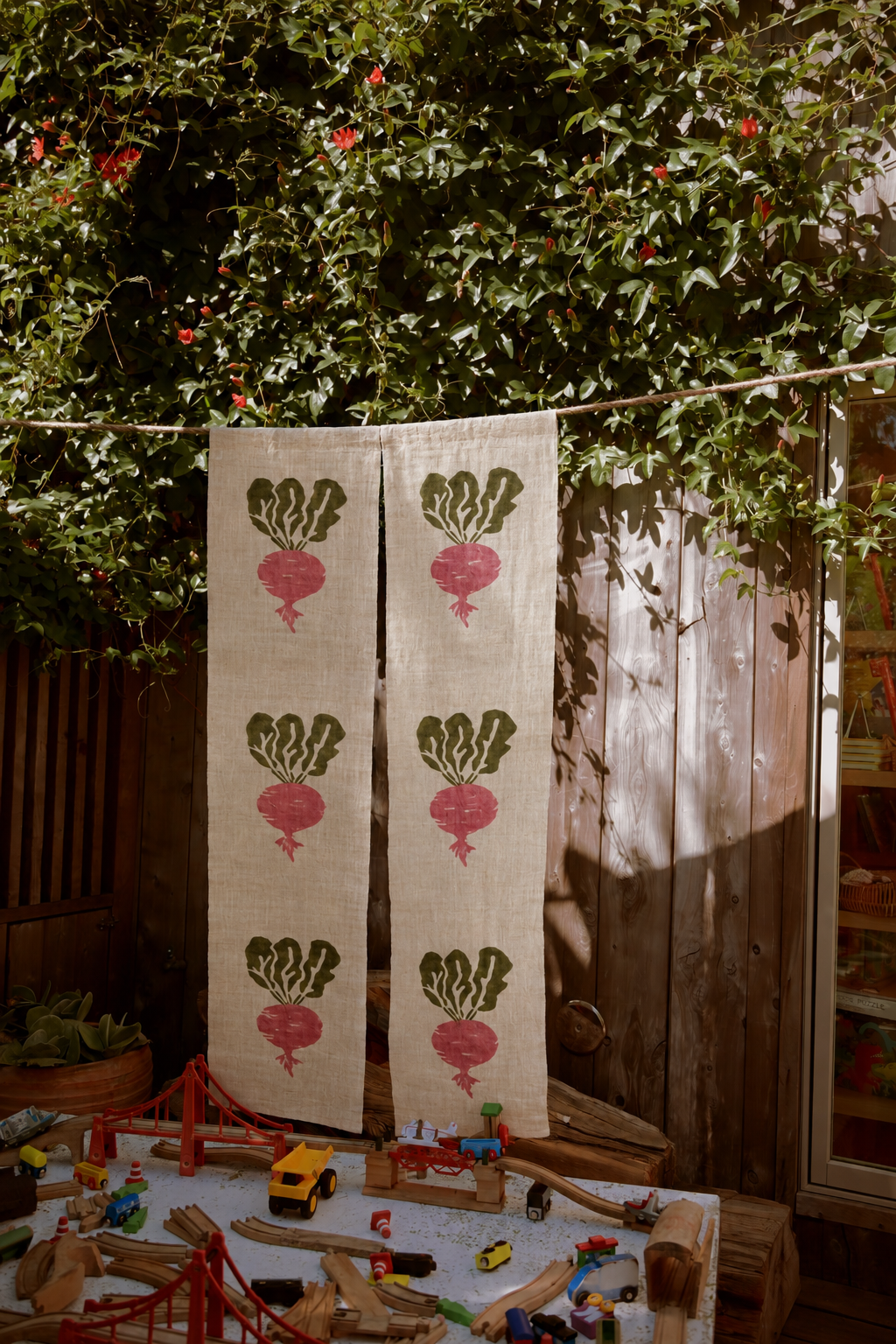
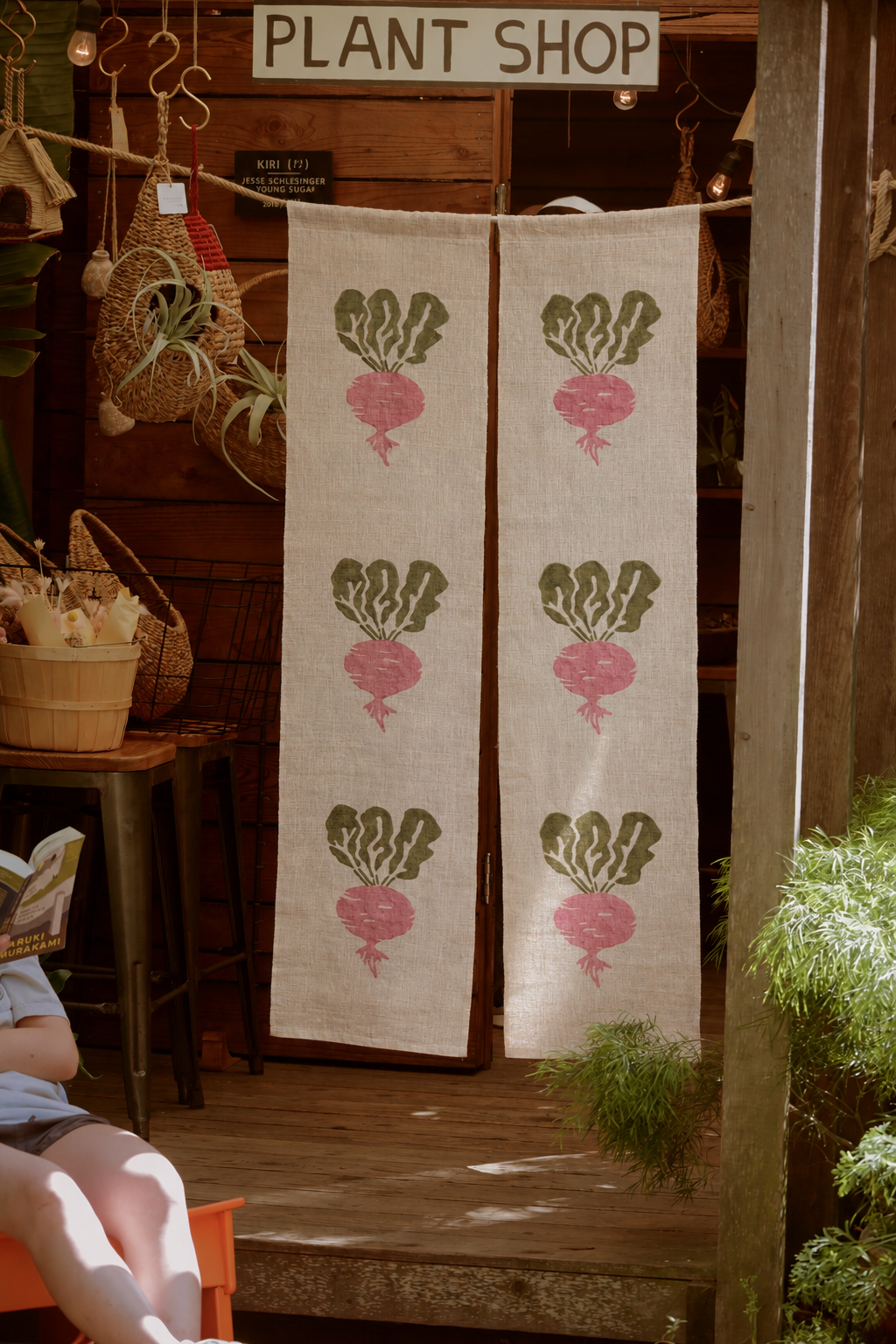
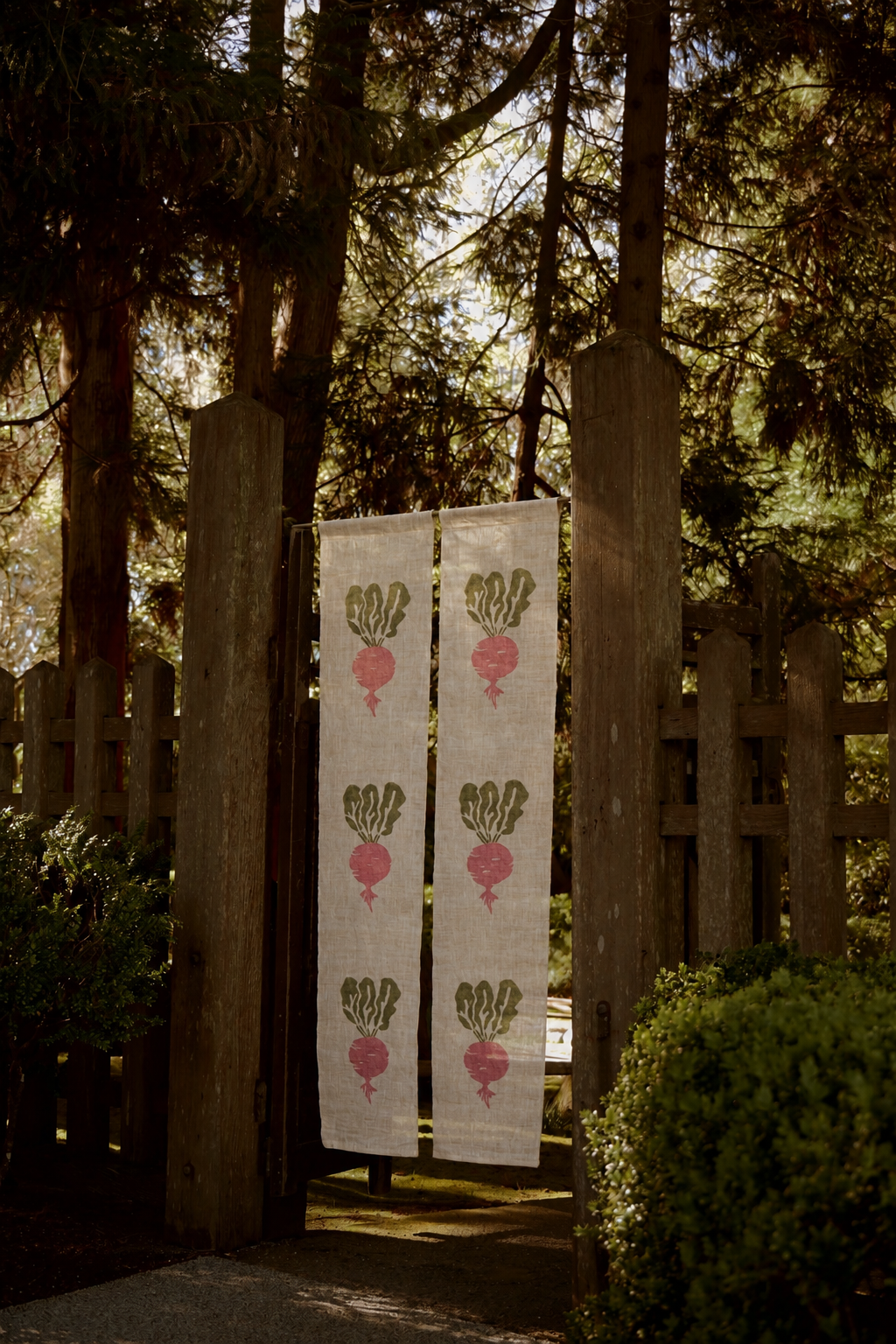
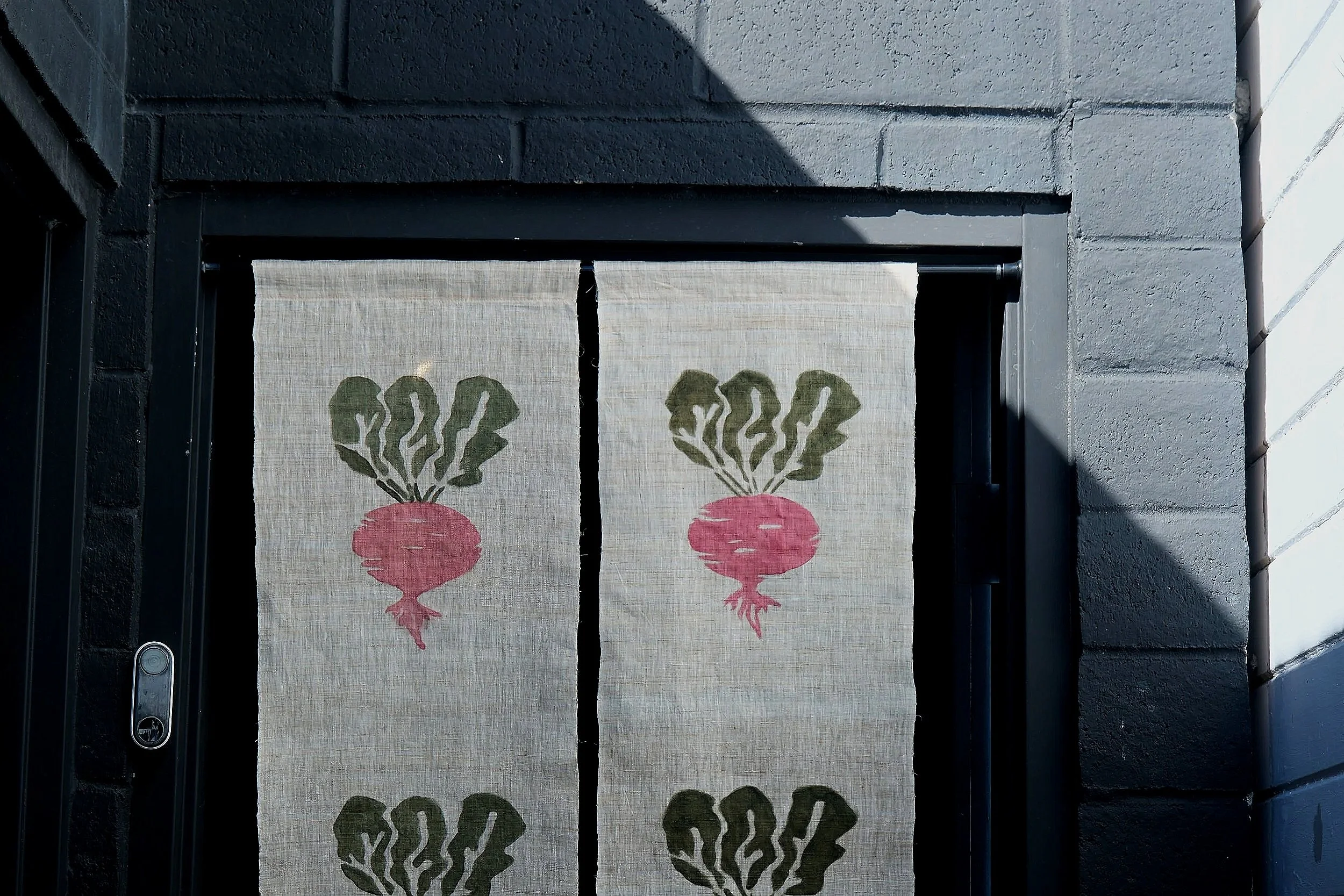
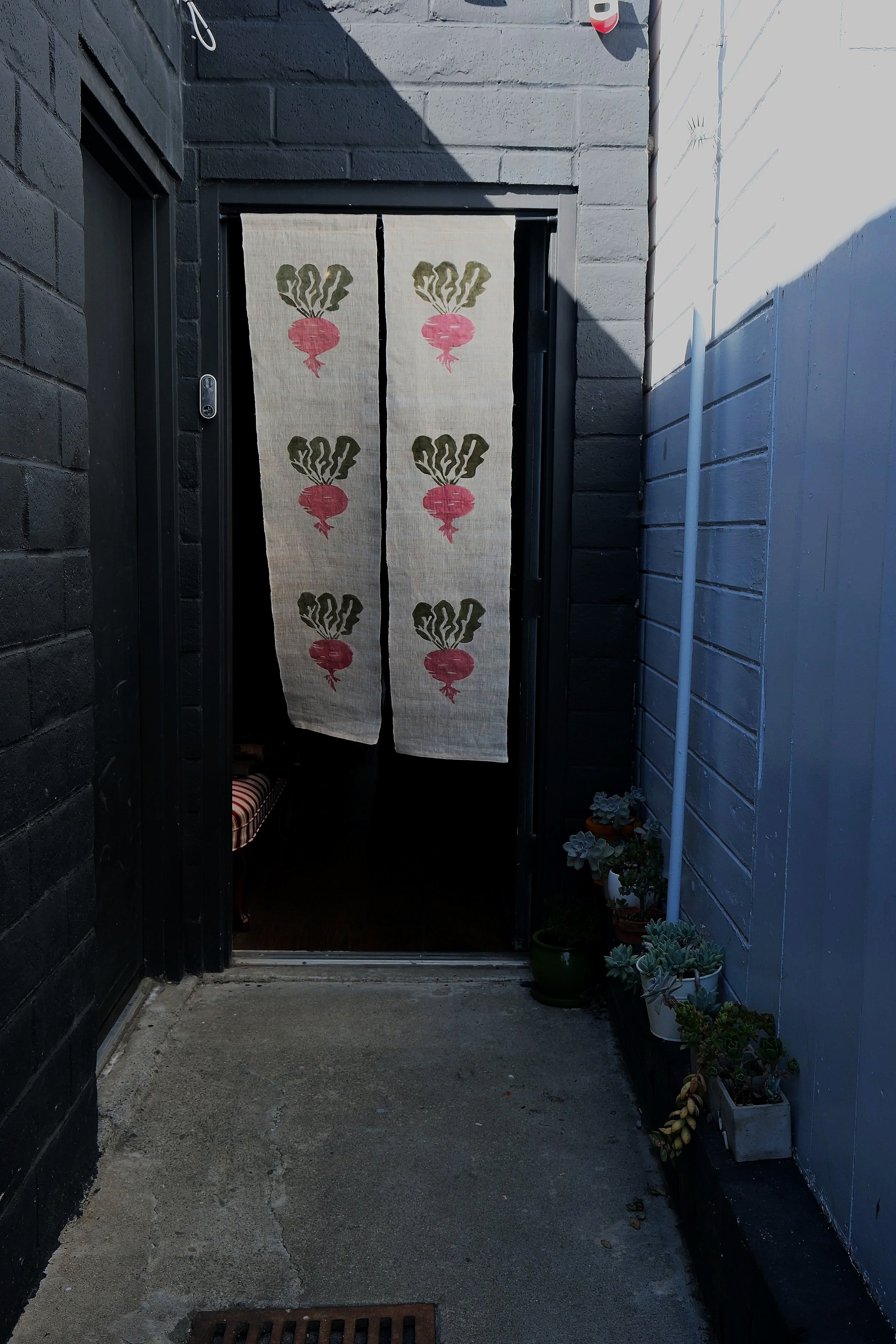
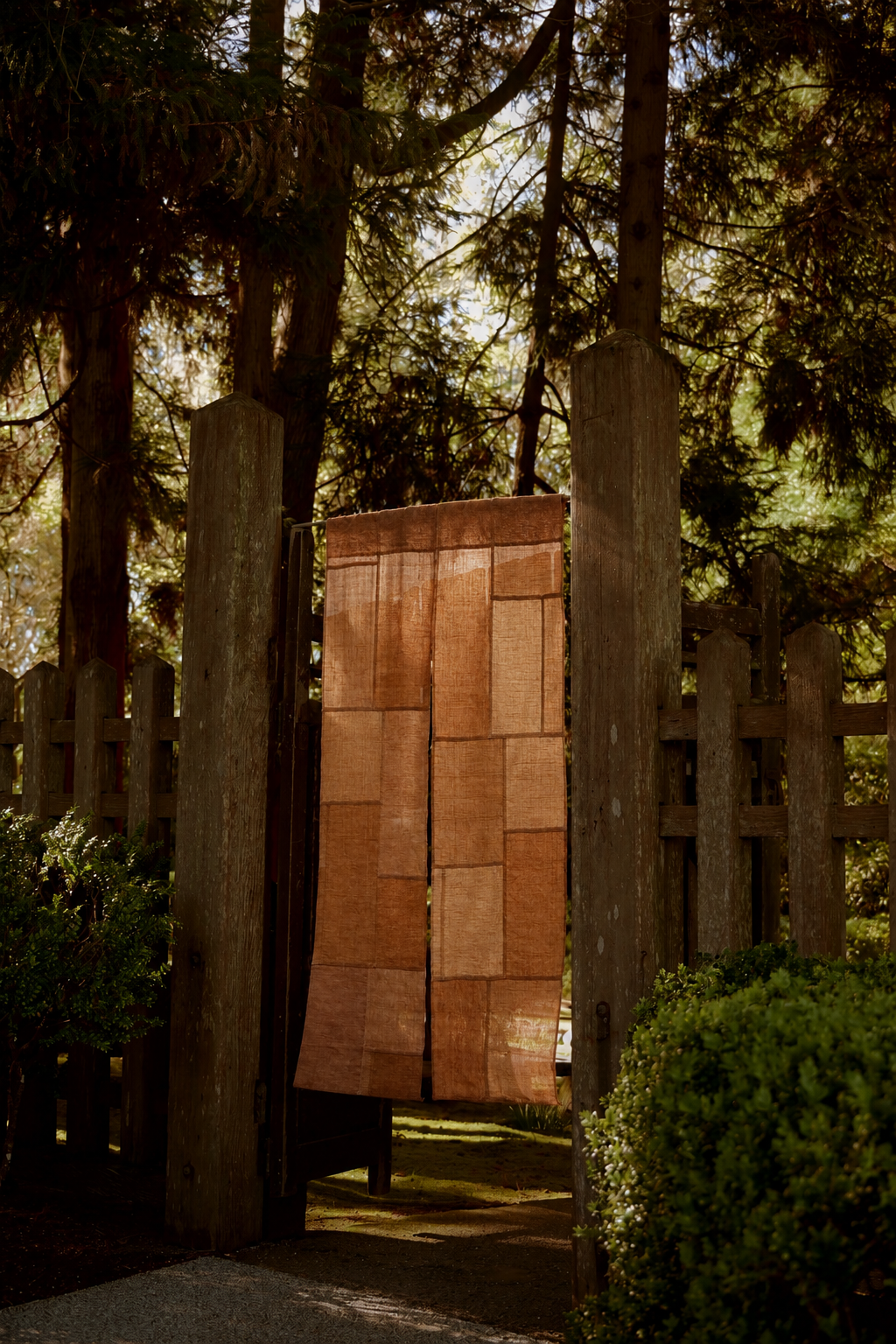
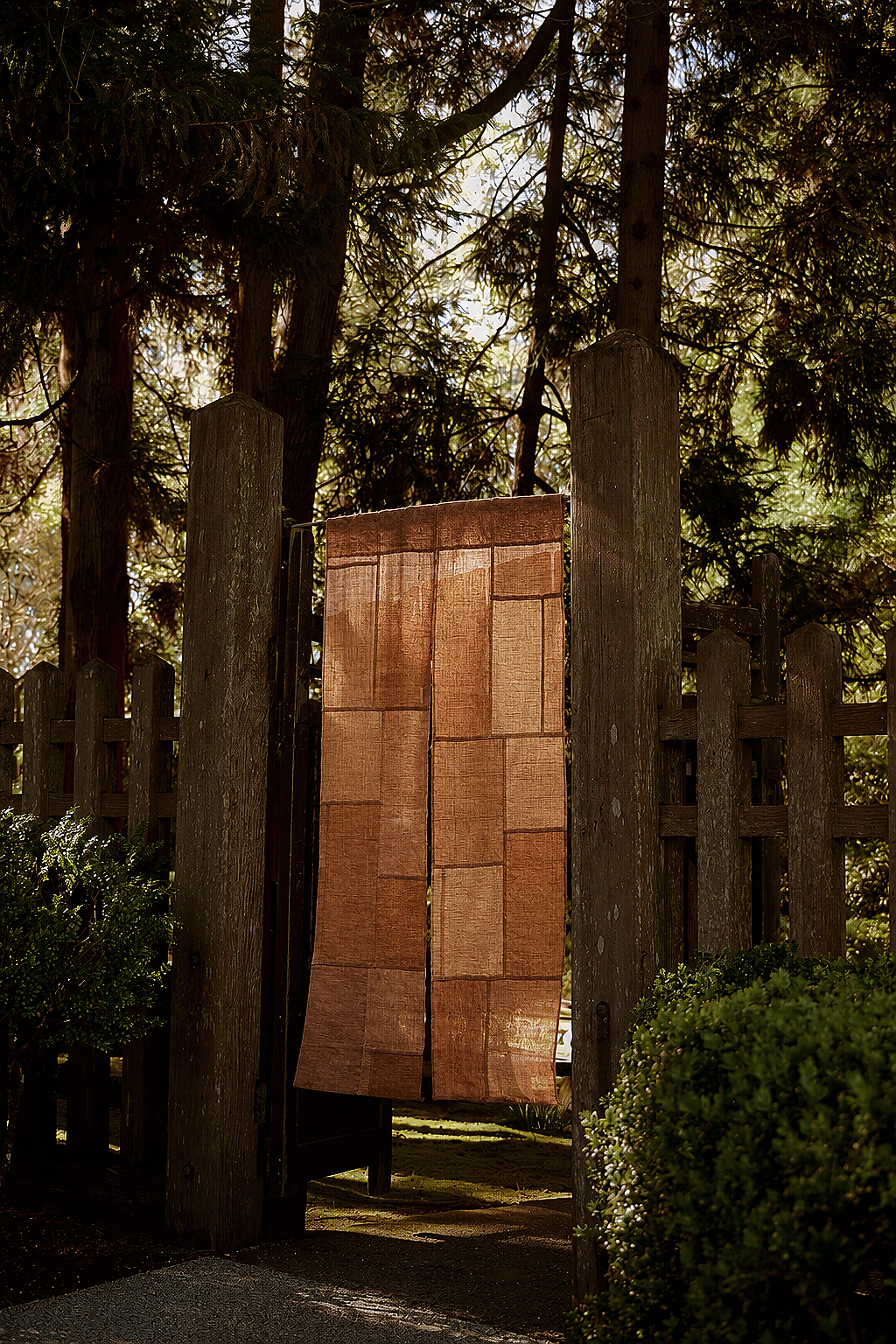
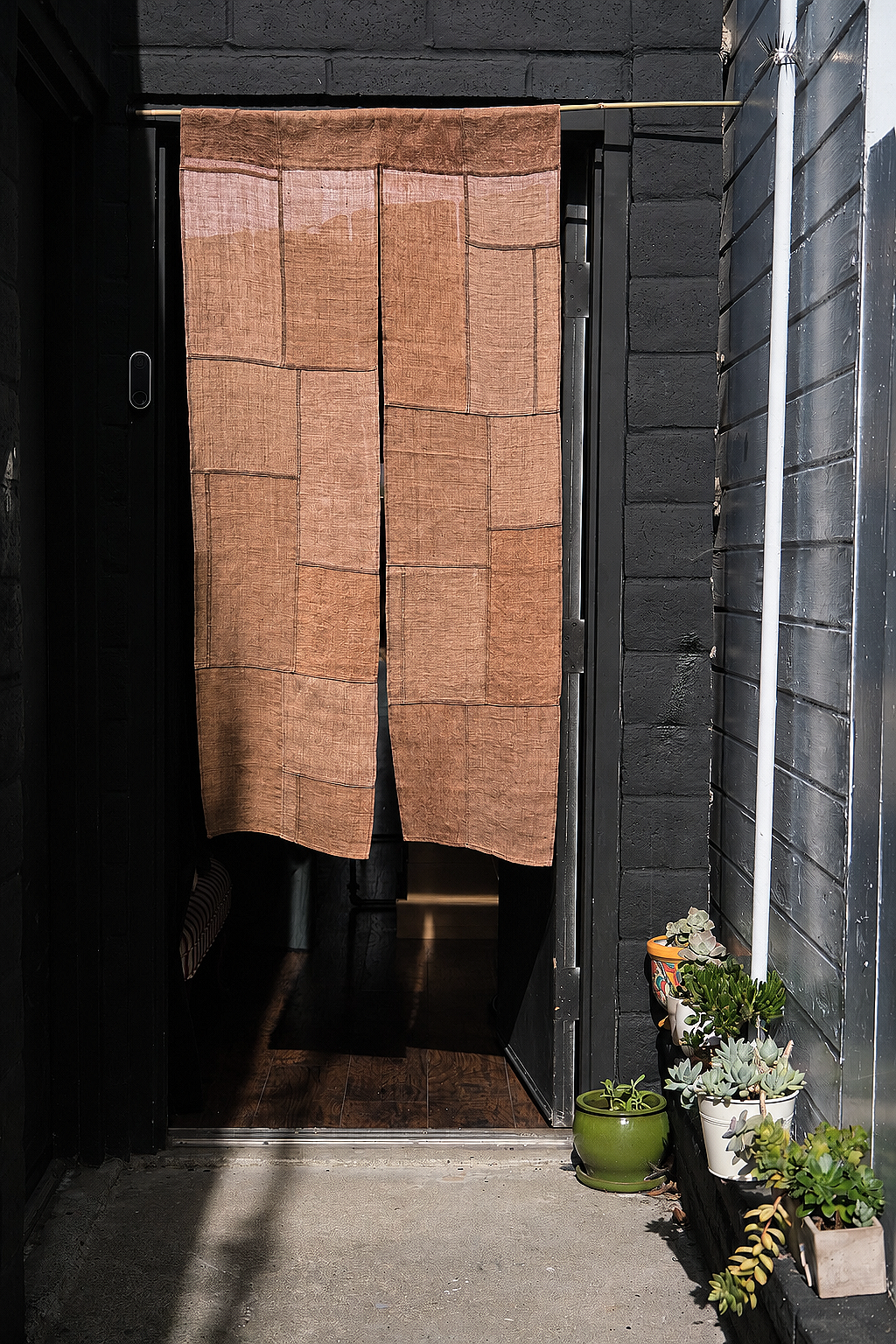
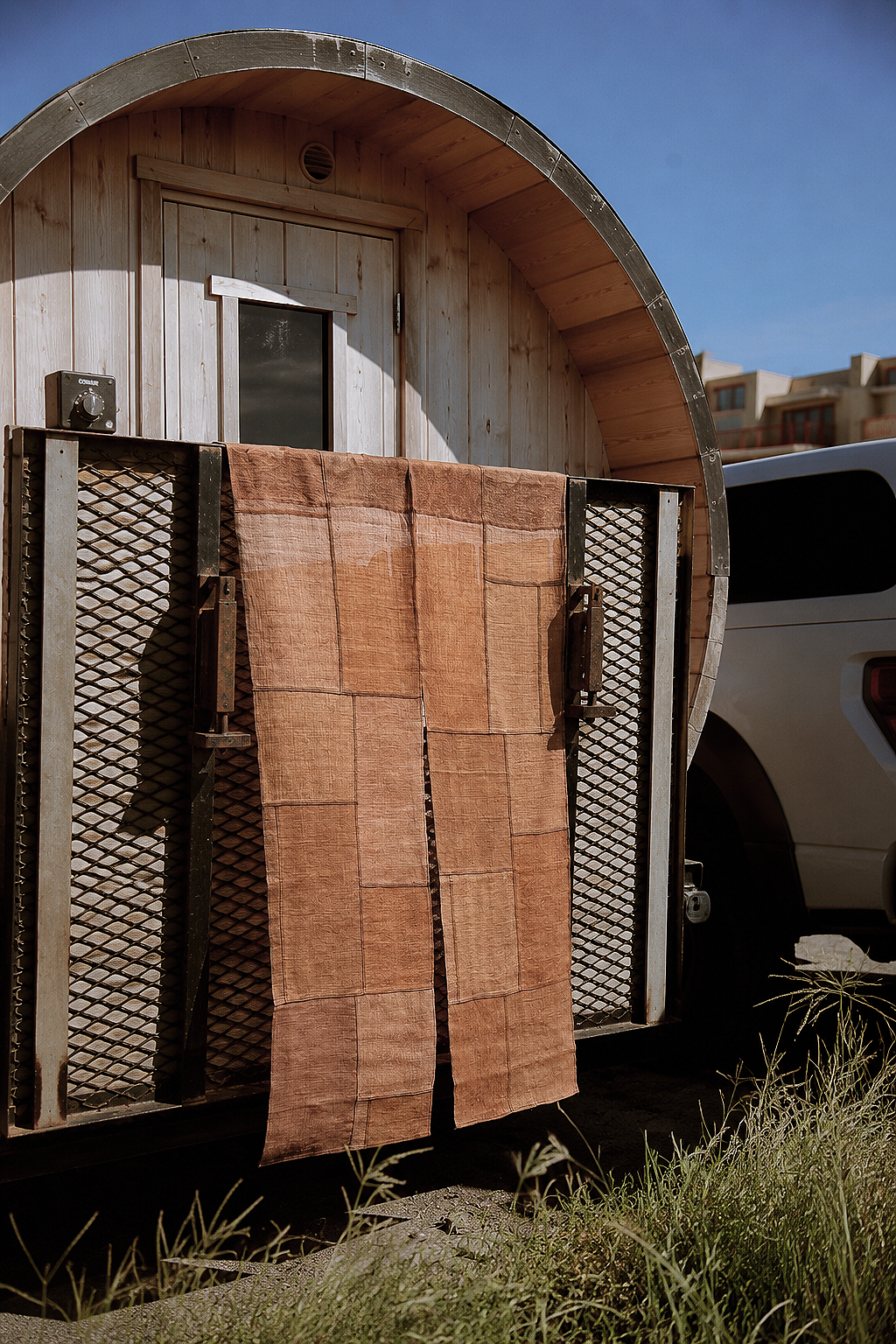
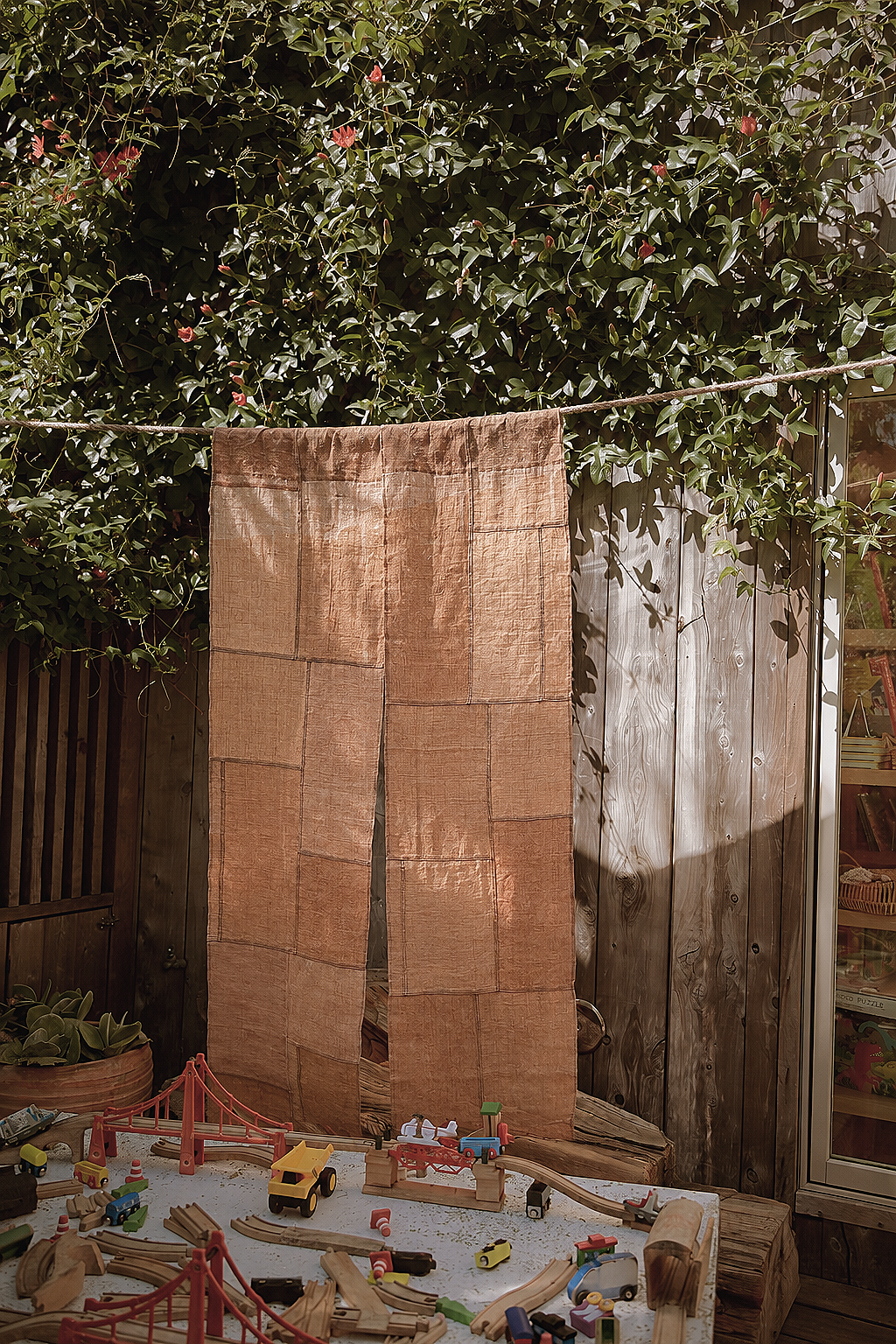
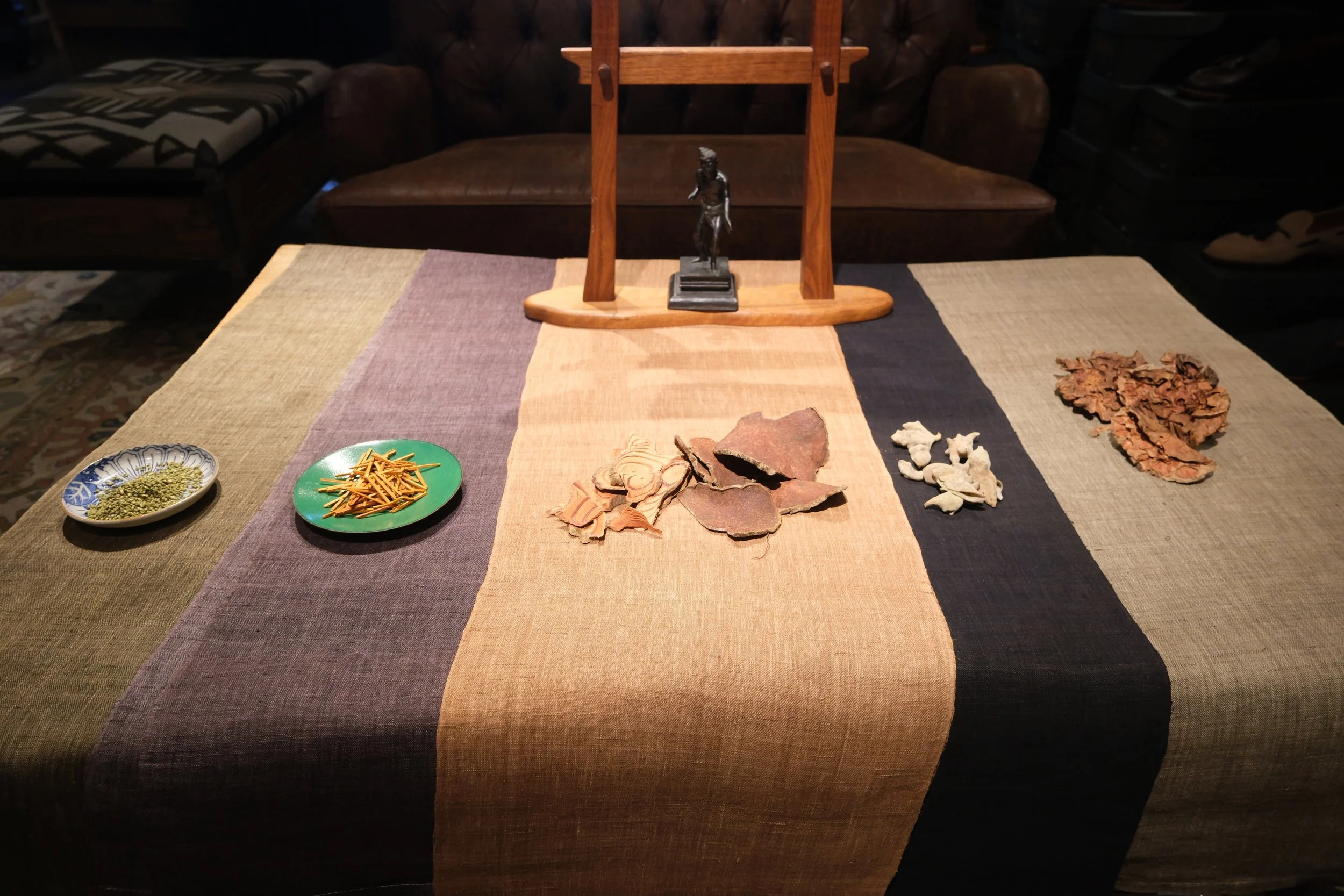
A handmade full-length noren from our Moment Series, crafted from handwoven natural ramie fabric and dyed with plant-based color using a traditional katazome paste-resist process.
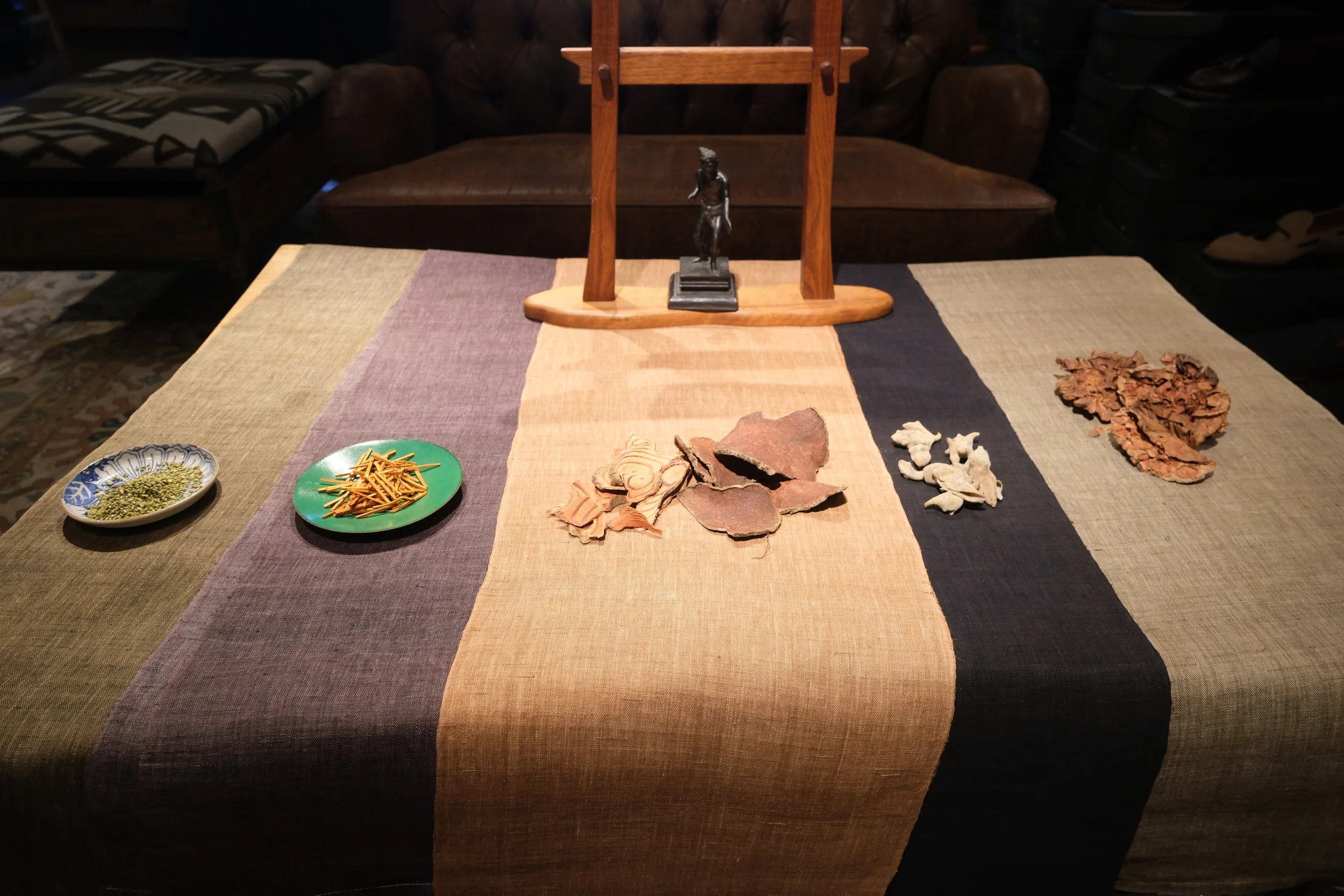
The Moment Series is inspired by Edo-period Japanese shopfront noren culture, when fabric curtains served as signage, shade, dust protection, visual privacy, and a soft marker between public and private space.
This piece is inspired by the quiet ritual of a Japanese bathhouse. Each panel features three simple motifs: rippling water beneath a bath ladle, a steaming wooden soaking tub, and a small bathing stool. Arranged vertically in a loose woodblock-print-inspired composition, the images capture the calm rhythm of bathing—drawing water, settling into warmth, and pausing in the stillness afterward.
The design feels graphic and playful while maintaining a quiet, restorative mood. Rather than recreating a literal bathhouse scene, it suggests the atmosphere through a few familiar objects and gestures, bringing a subtle sense of warmth, water, and everyday ritual into the space.
This noren can be used for a bathroom doorway, dressing area, bedroom entrance, hallway, linen closet, spa room, home sauna, bathhouse-inspired interior, restaurant entrance, retail doorway, or as a decorative wall textile. Its full-length format creates greater privacy and visual separation while still allowing light and air to move gently between spaces.
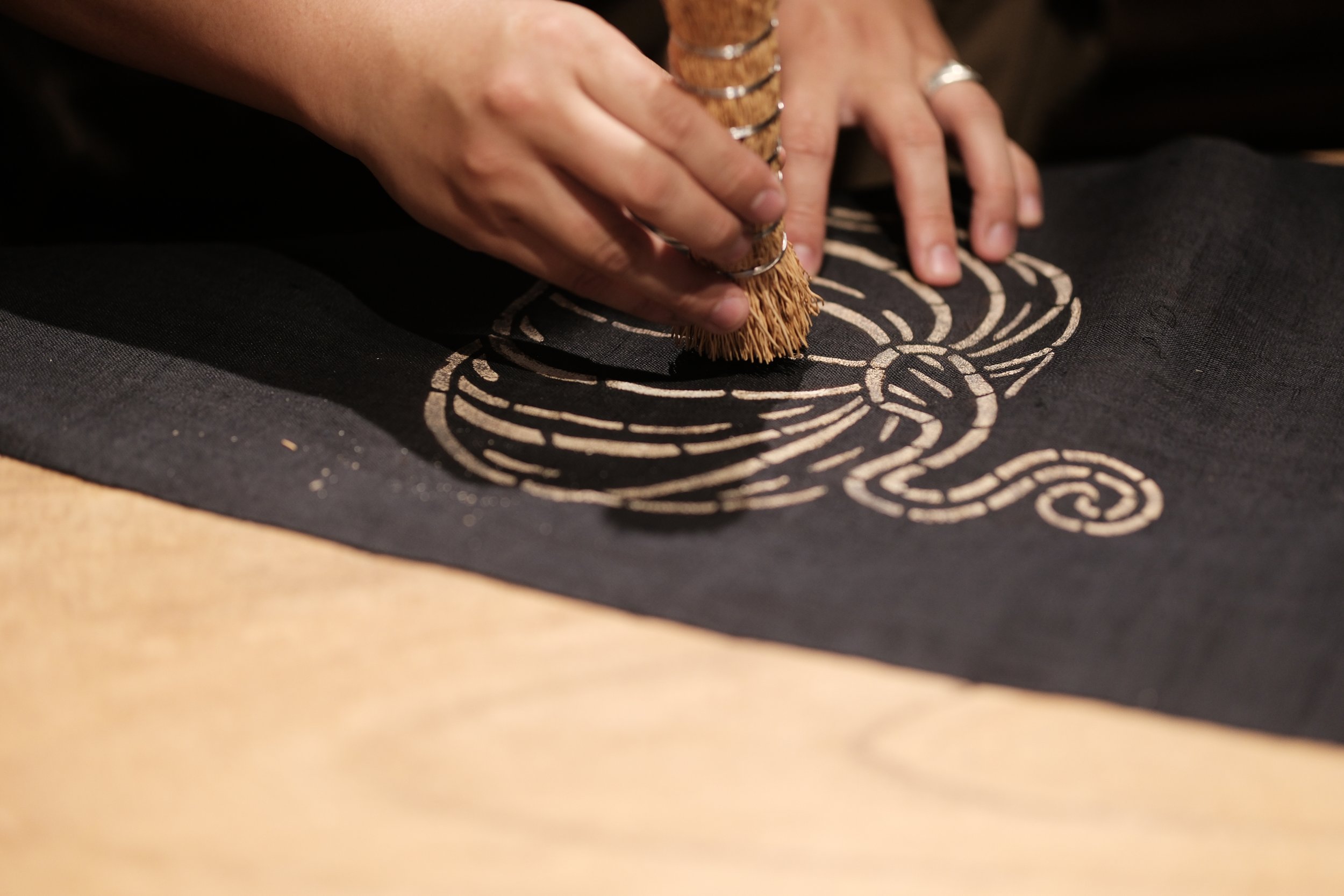
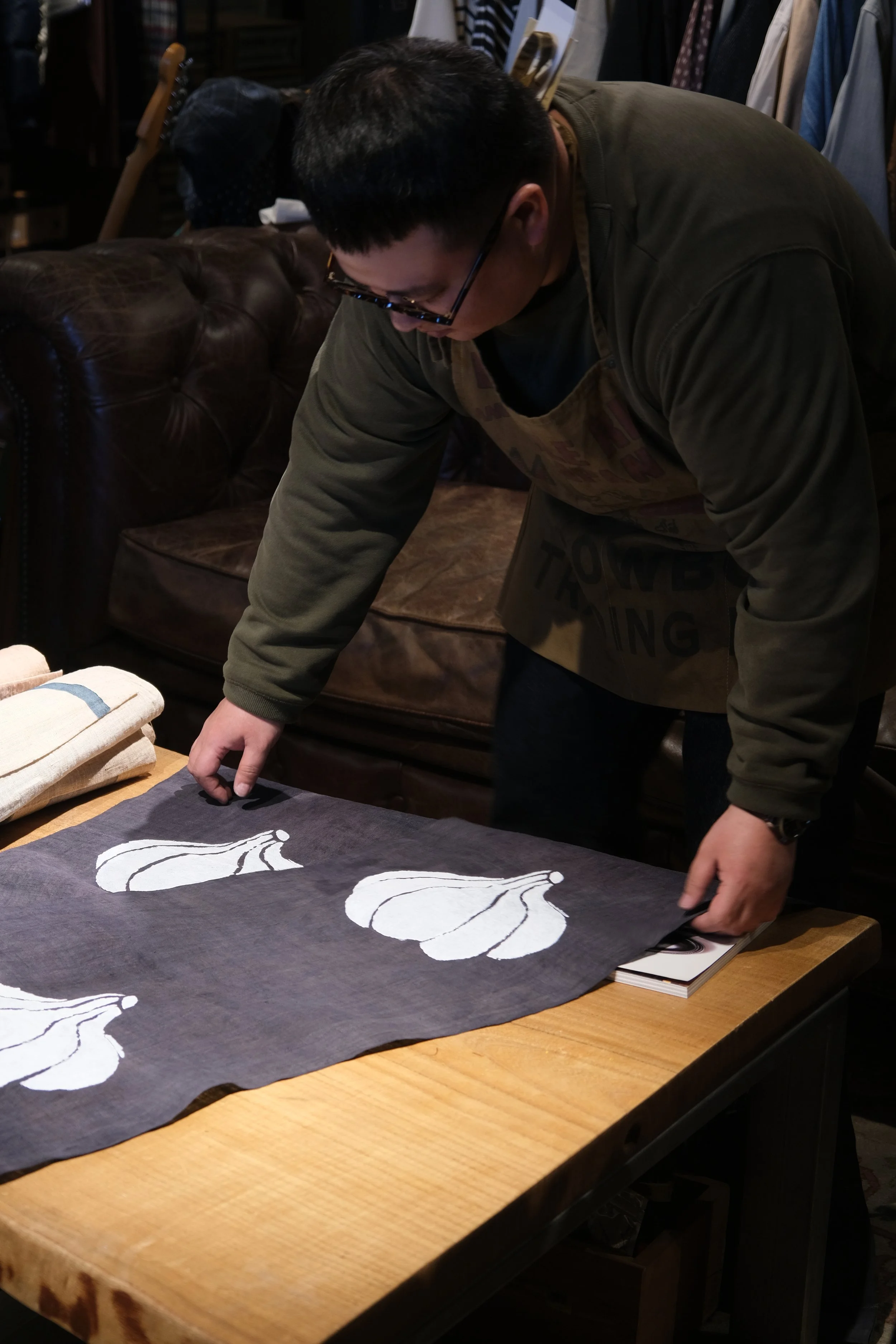
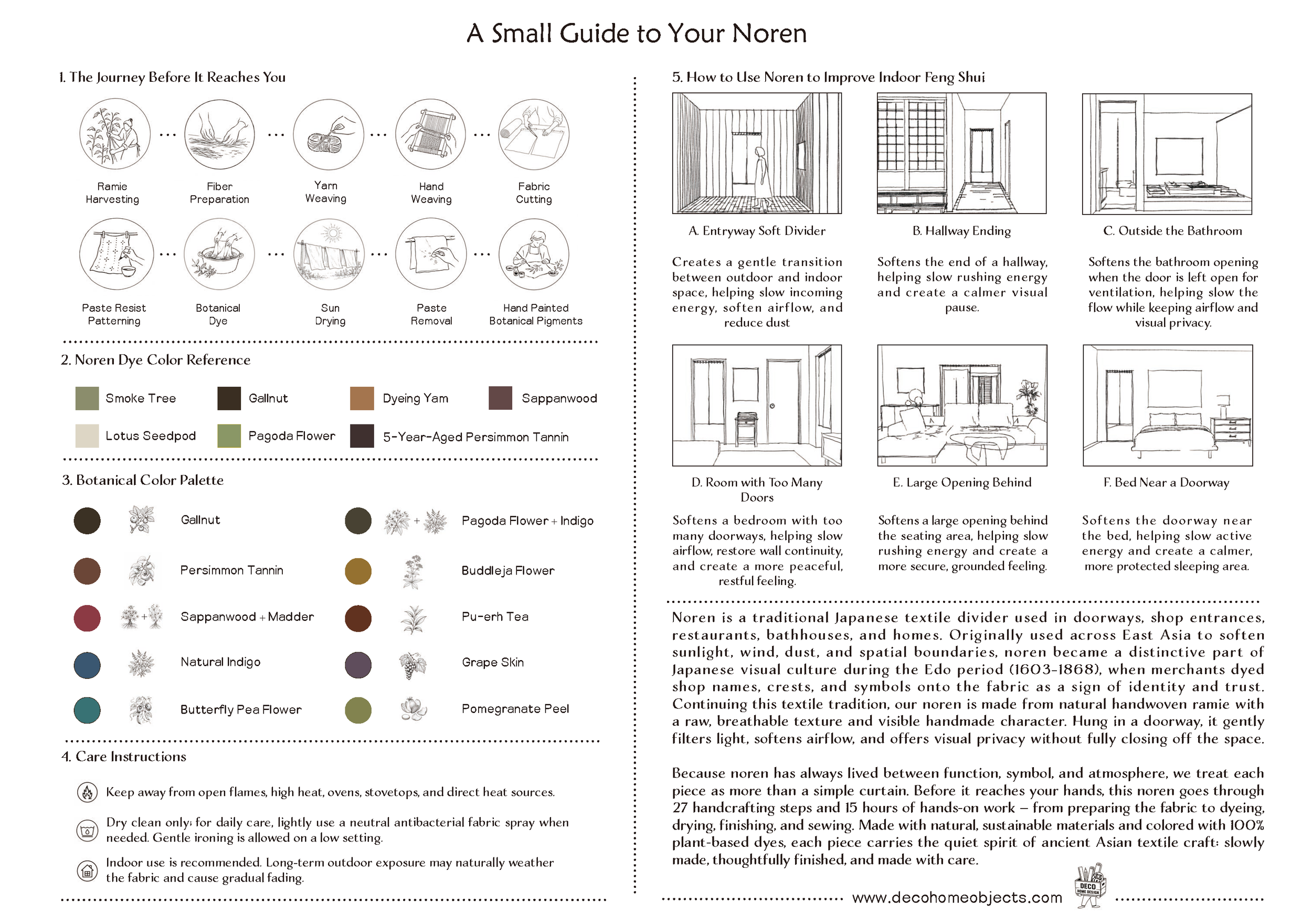
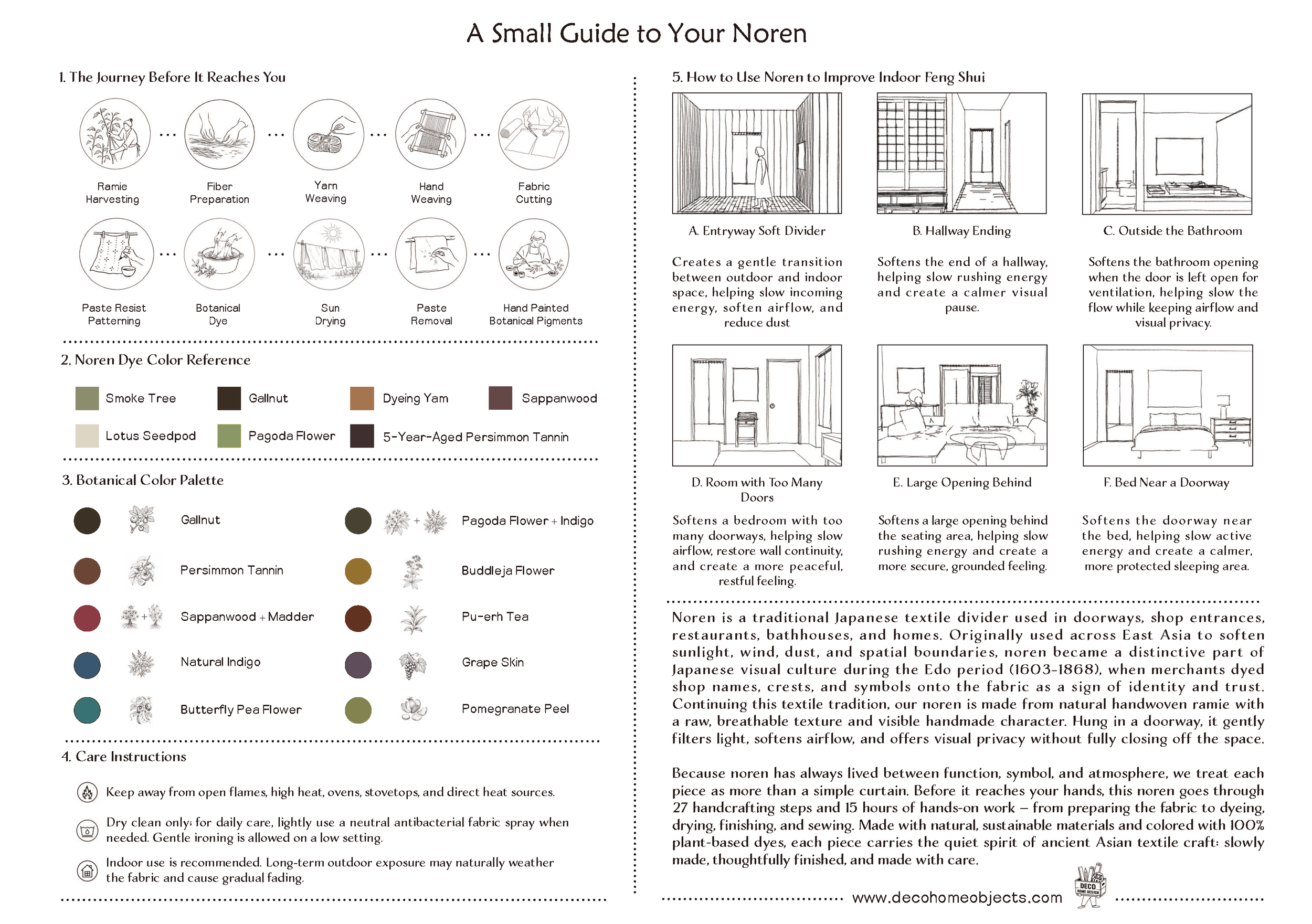
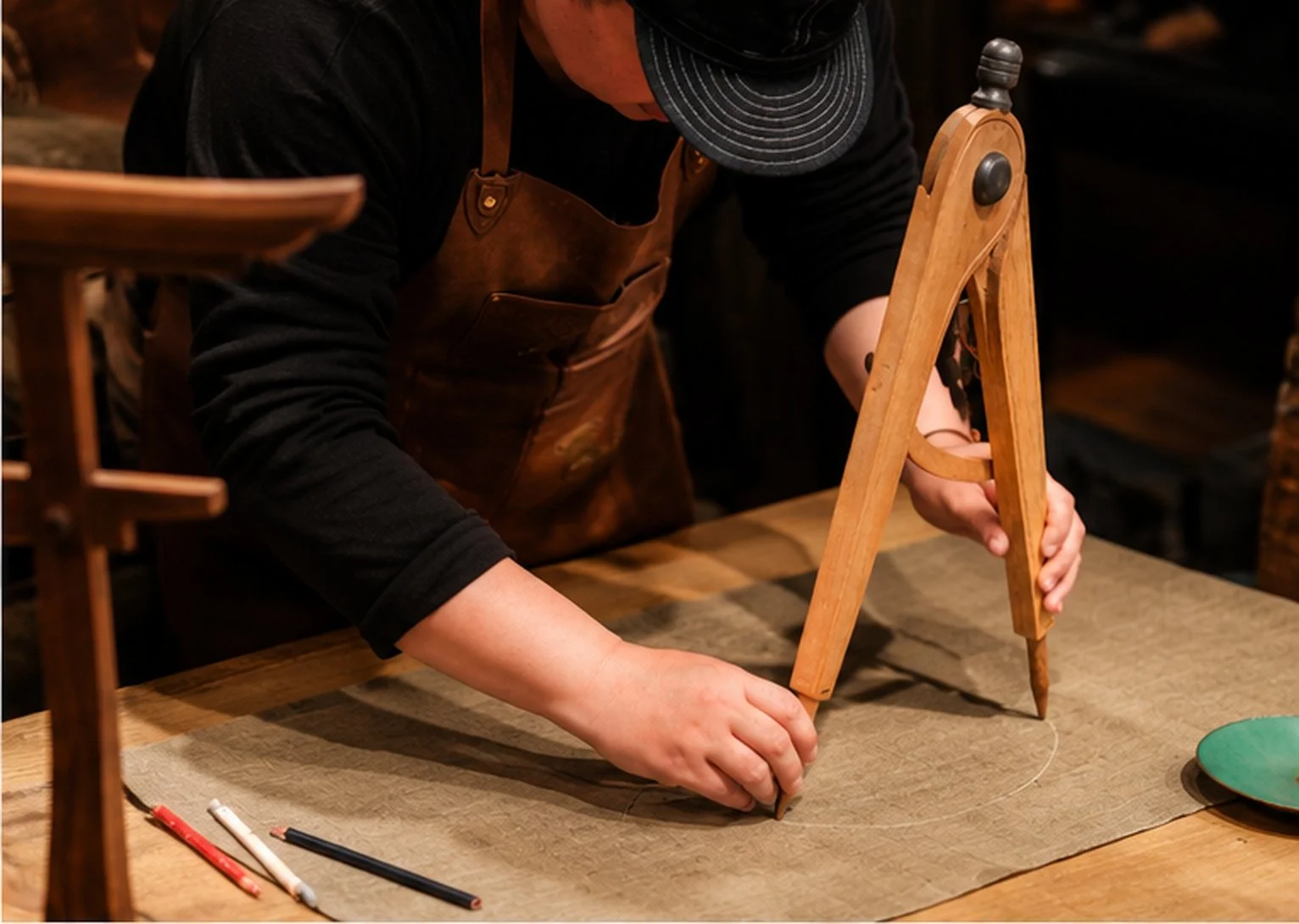
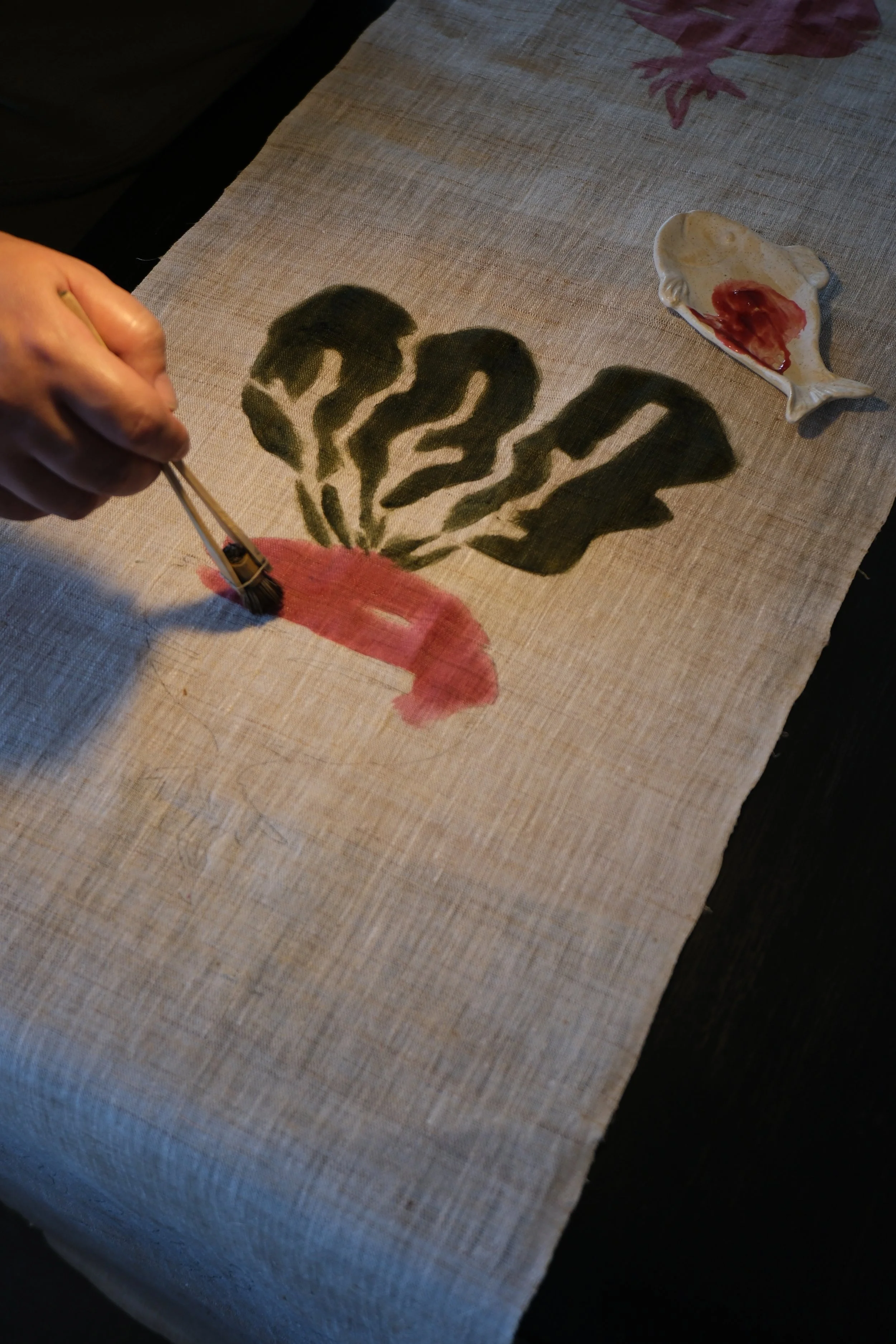
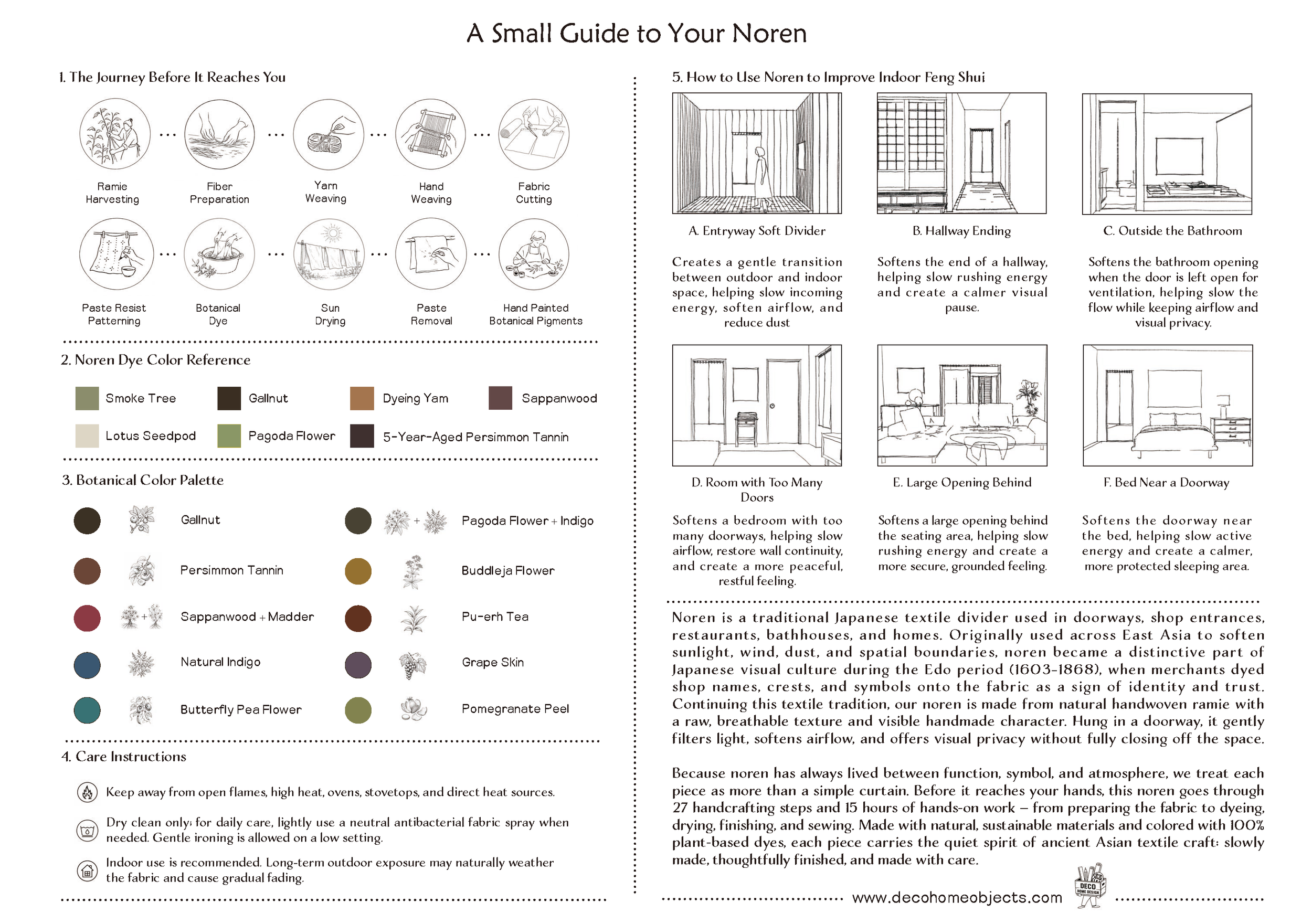
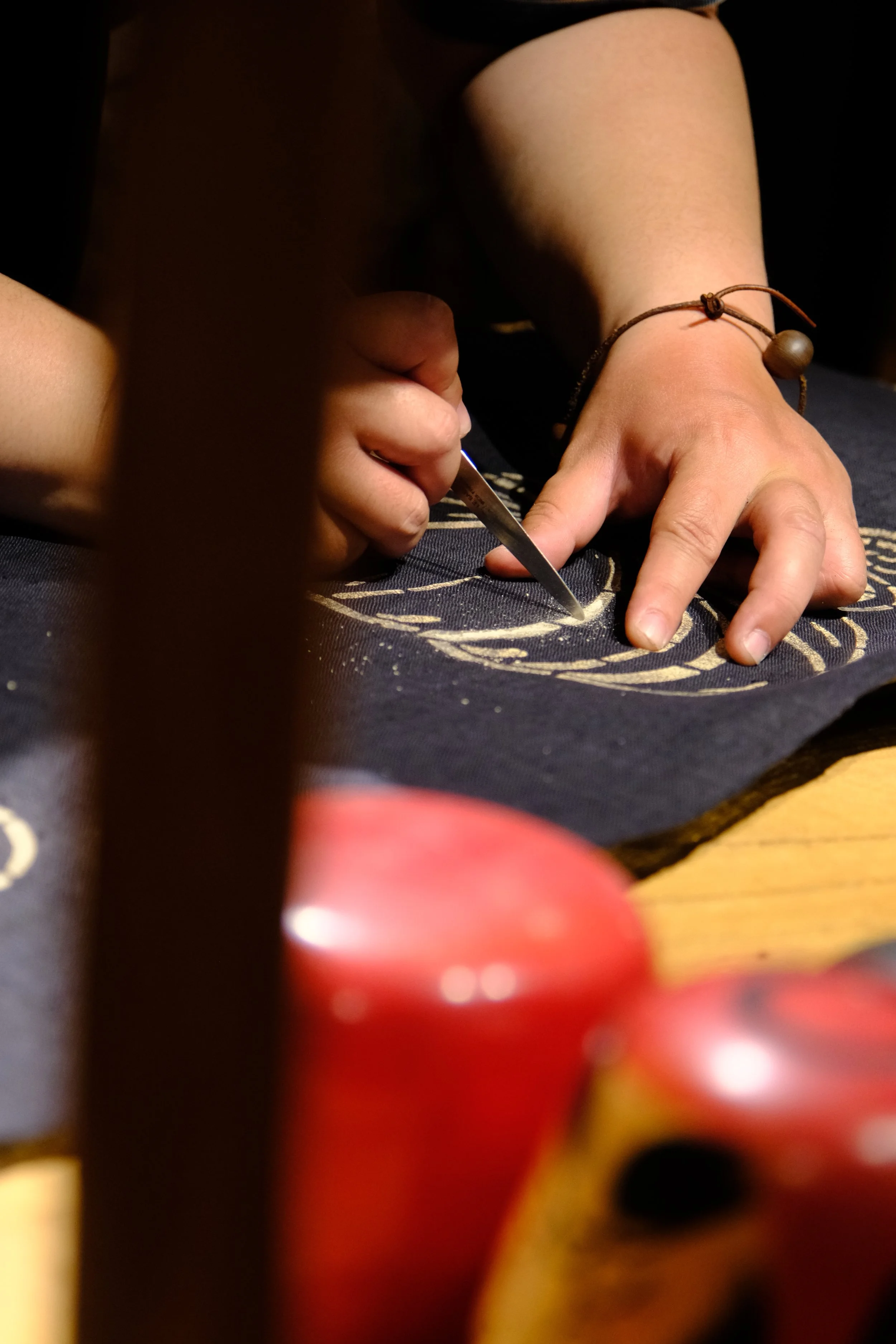
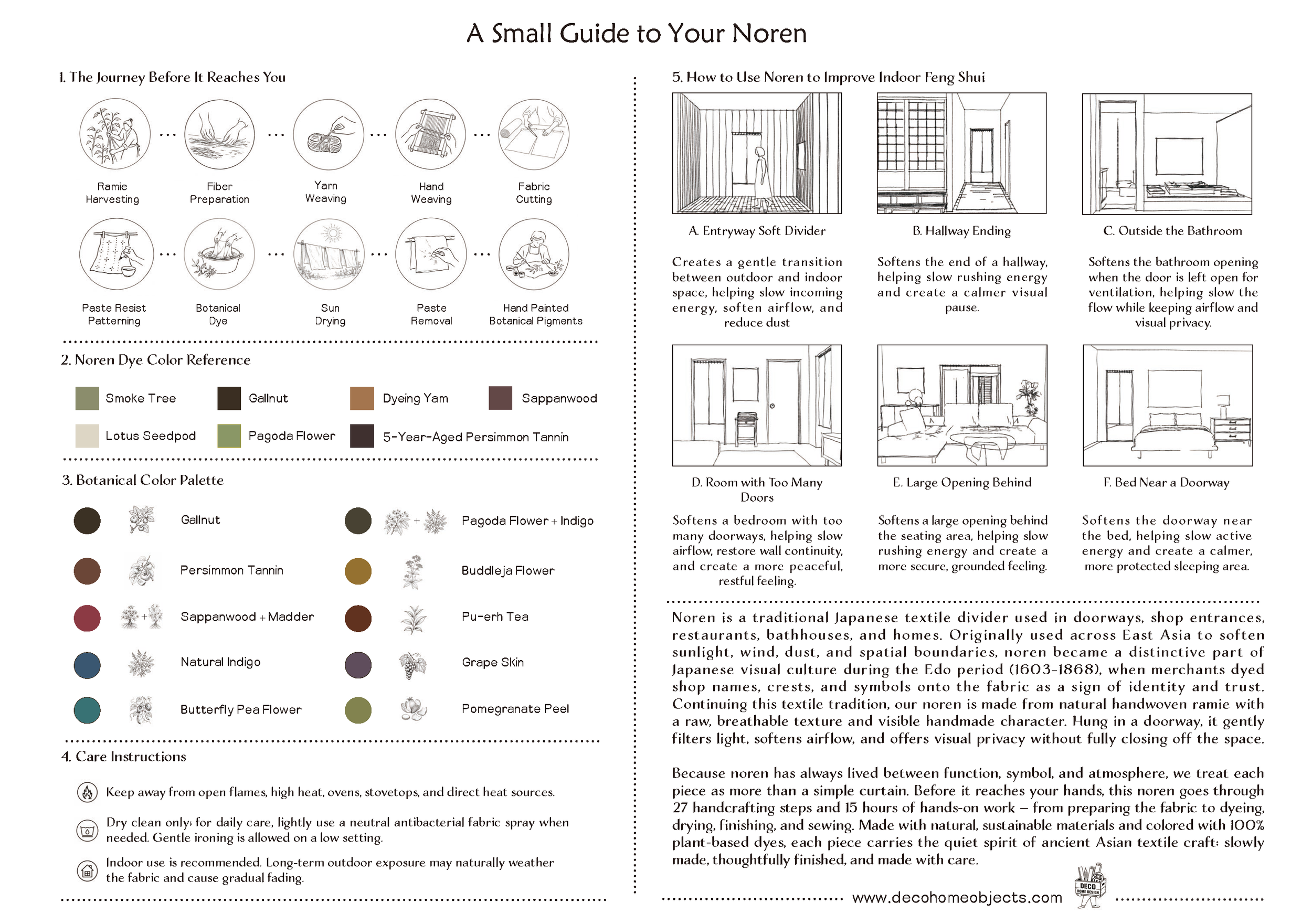
This piece is created using katazome, a slow and highly detailed paste-resist dyeing technique. Before dyeing, a soybean-based resist paste is carefully applied over the motif areas. The paste prevents those sections from absorbing the botanical dye, allowing the natural off-white tone of the ramie fabric to remain visible against the plant-dyed background.
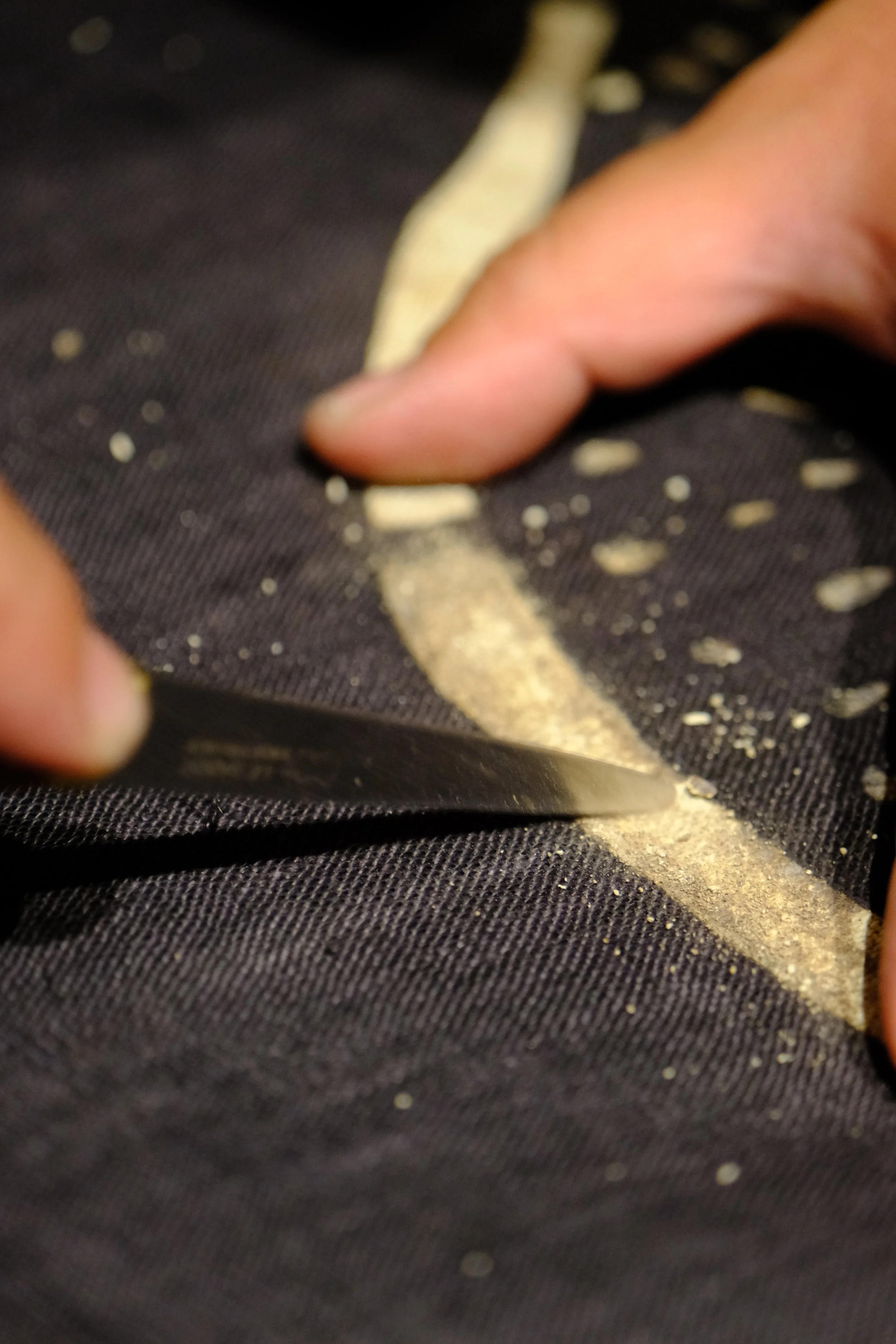
Unlike printed textiles, katazome requires multiple hands-on stages, including preparing and applying the resist paste, drying the fabric, dyeing, rinsing, and carefully removing the paste by hand. Slight variations in paste edges, color depth, and motif details reveal the handmade process behind every curtain.
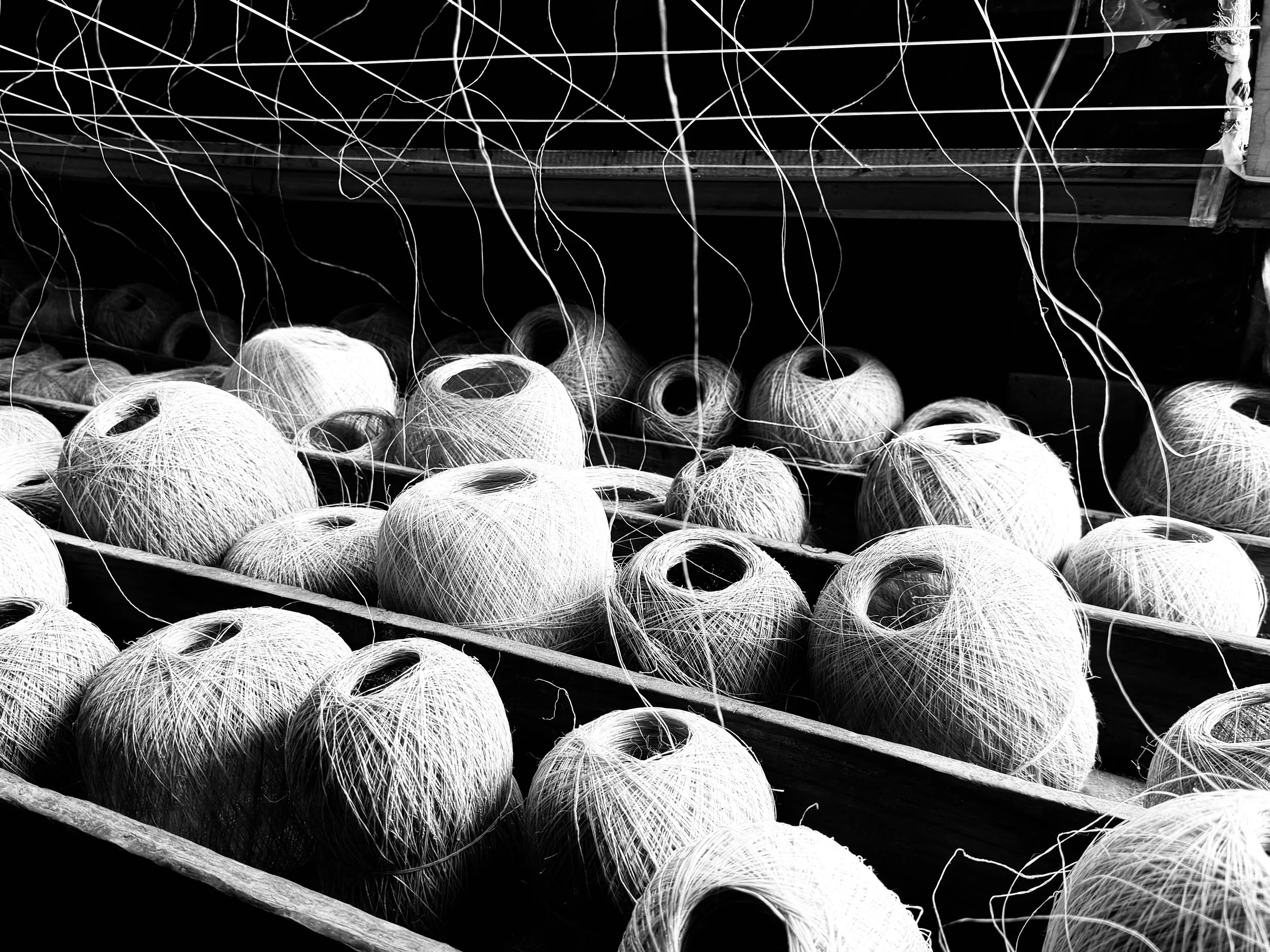
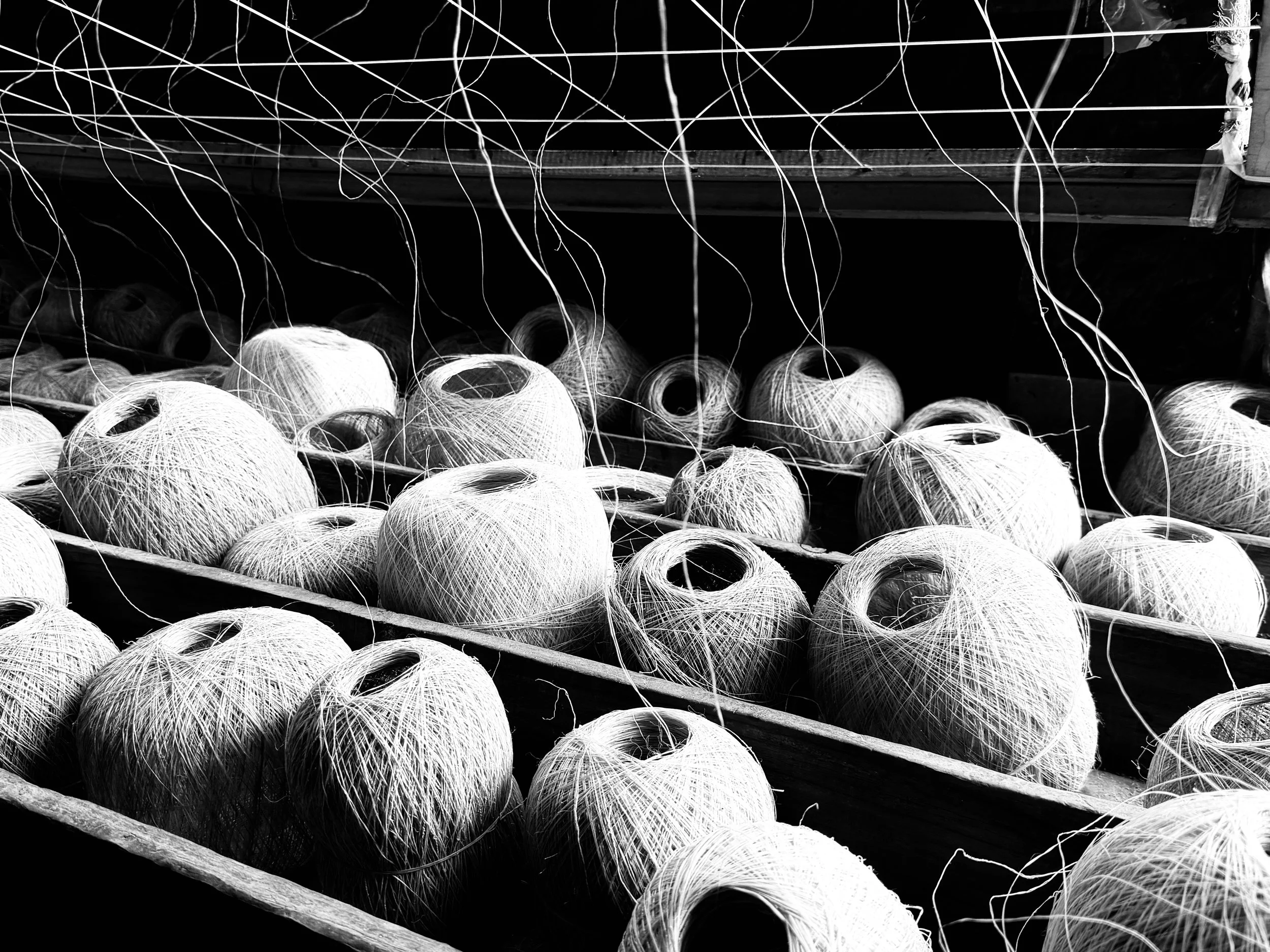
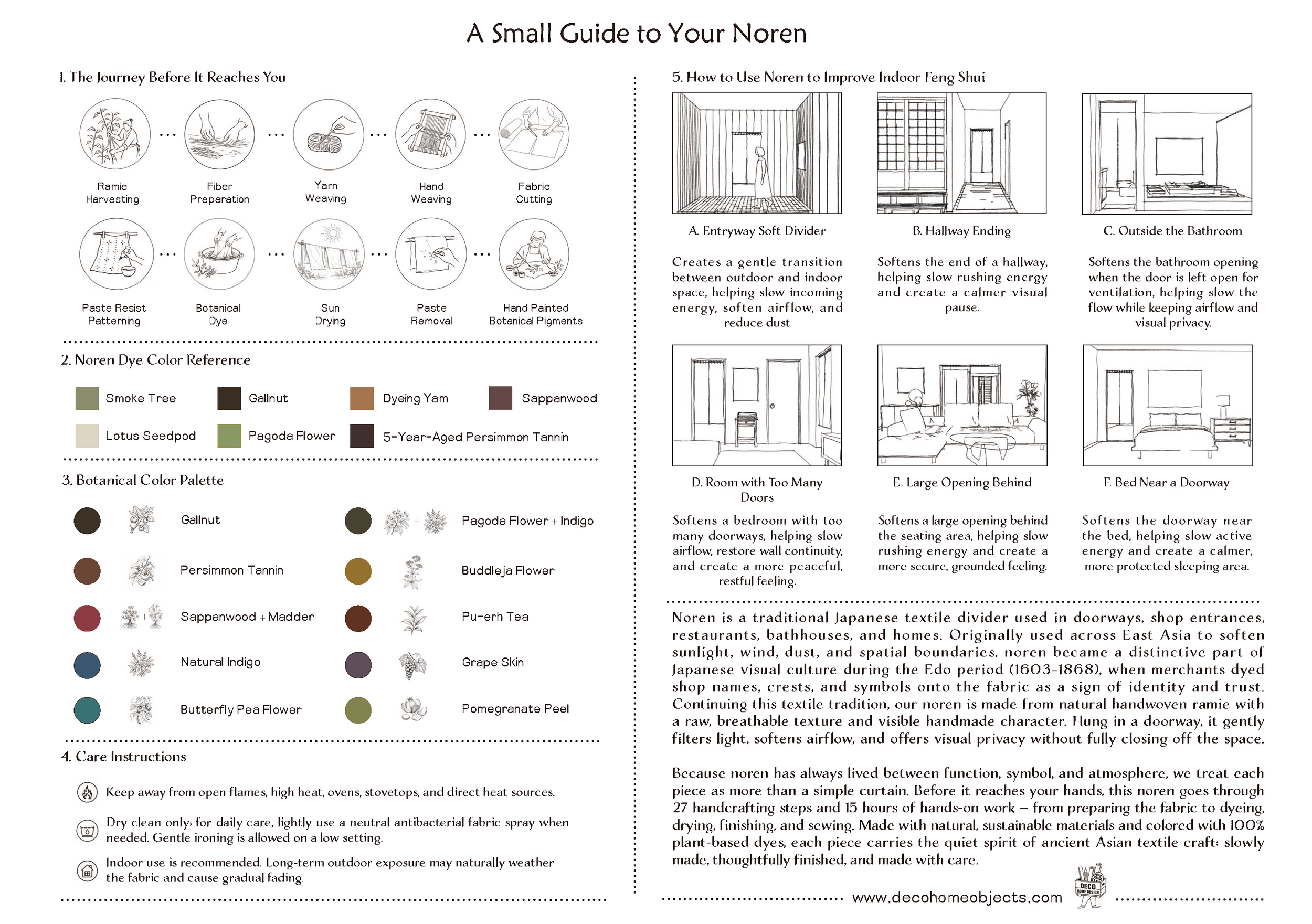
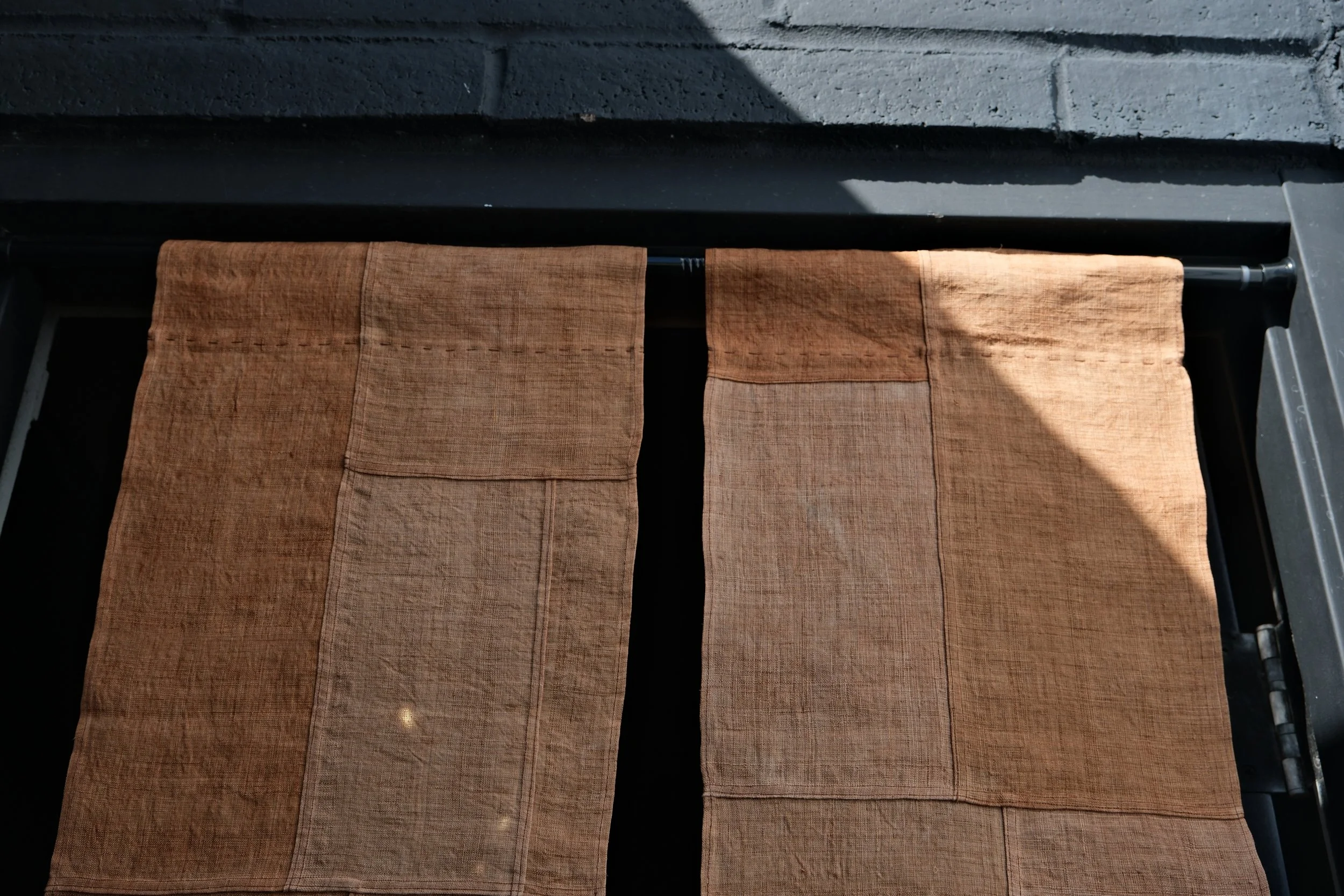
The fabric is handwoven natural ramie, also known as Xia Bu. Ramie is a strong and breathable plant fiber with a dry, lightly crisp texture and an architectural yet relaxed drape. Its visible fiber lines, slubs, subtle changes in thickness, and irregular weave give the curtain a natural and tactile presence.
Details
Moment Series full-length noren
Handmade two-panel doorway curtain
Handwoven natural ramie Xia Bu fabric
Plant-dyed using the katazome paste-resist technique
Soybean-based resist paste applied before dyeing
Natural ramie motifs against a plant-dyed background
Woodblock-print-inspired Japanese bathhouse motif
Features rippling water and bath ladle, steaming wooden tub, and bathing stool
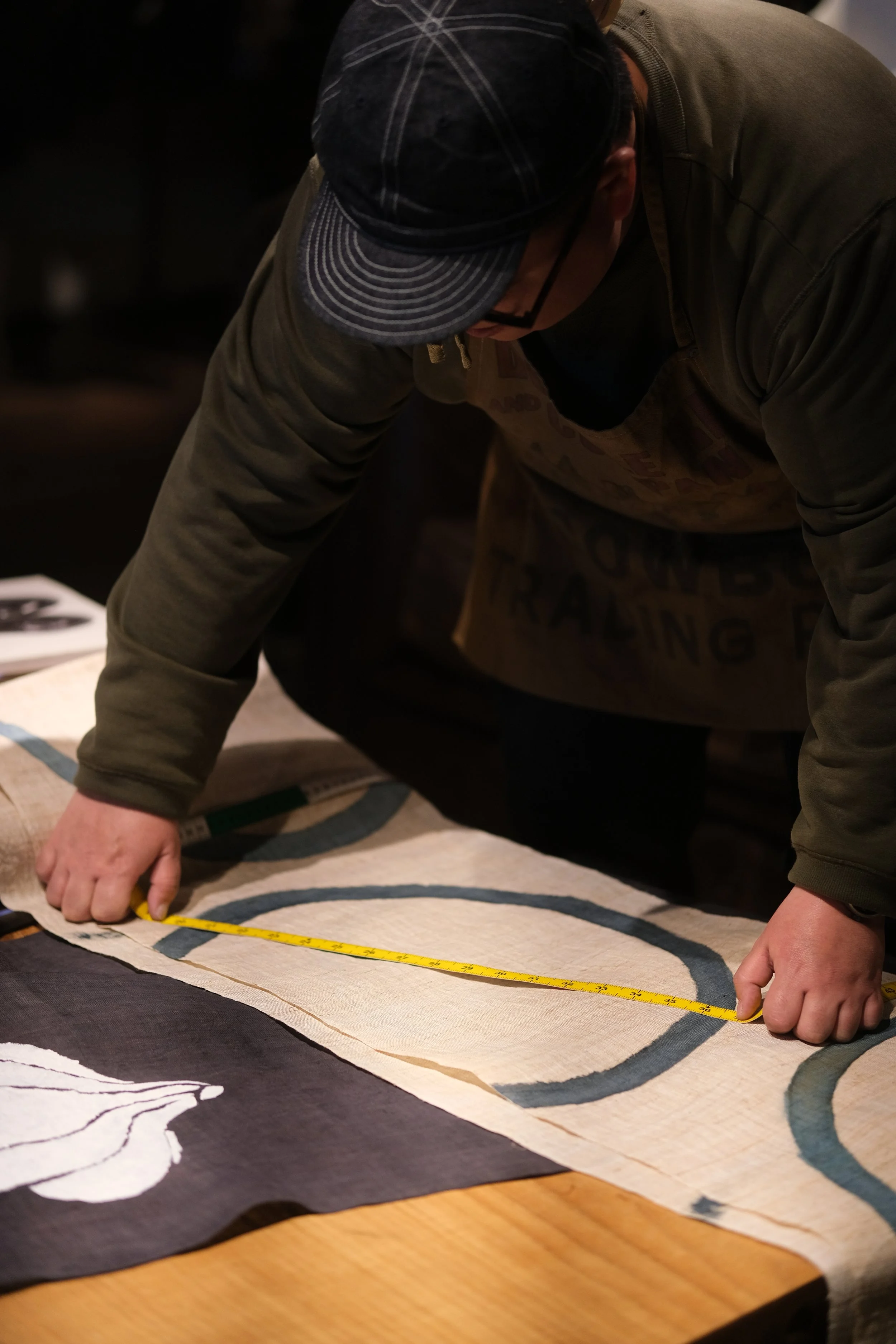
Size: 28.5” W × 59” L
Two-panel split design
Flat top rod pocket
Lightweight, breathable, and semi-sheer
Top and bottom edges are sewn; side edges retain their natural handwoven finish
Each piece has natural variations in color, paste lines, weave, texture, and shape
Care
Keep away from open flame and high heat.
Professional dry clean only.
Do not machine wash or tumble dry.
Do not scrub, rub aggressively by hand, or use chemical detergents.
For daily care, a neutral fabric disinfecting spray may be used.
Iron gently on a low setting.
Please Note
Because this piece is handmade, handwoven, plant-dyed, and created using a traditional katazome paste-resist process, slight variations in color, texture, motif placement, dye depth, and paste-resist edges are expected. Each curtain is one of a kind.
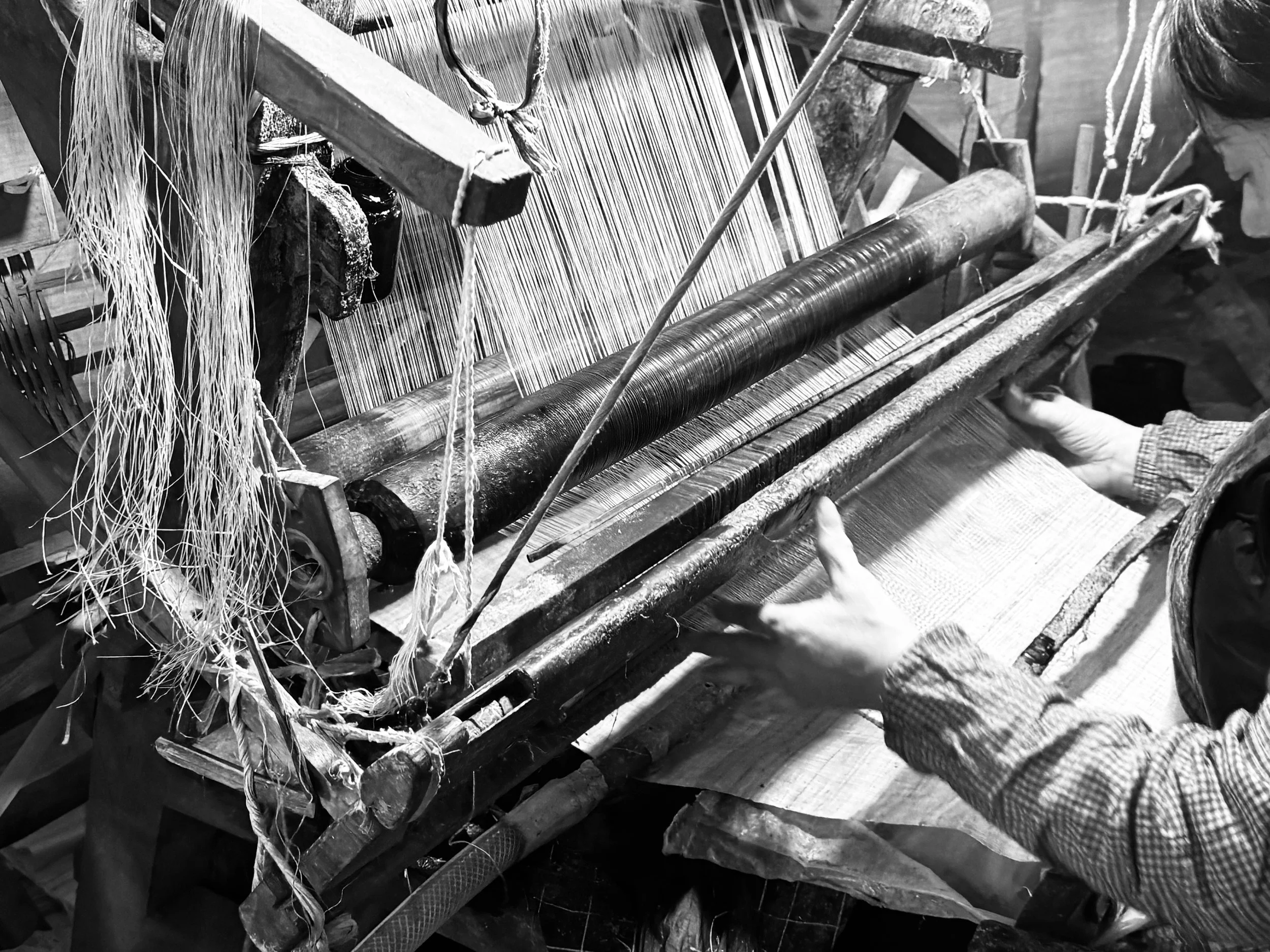
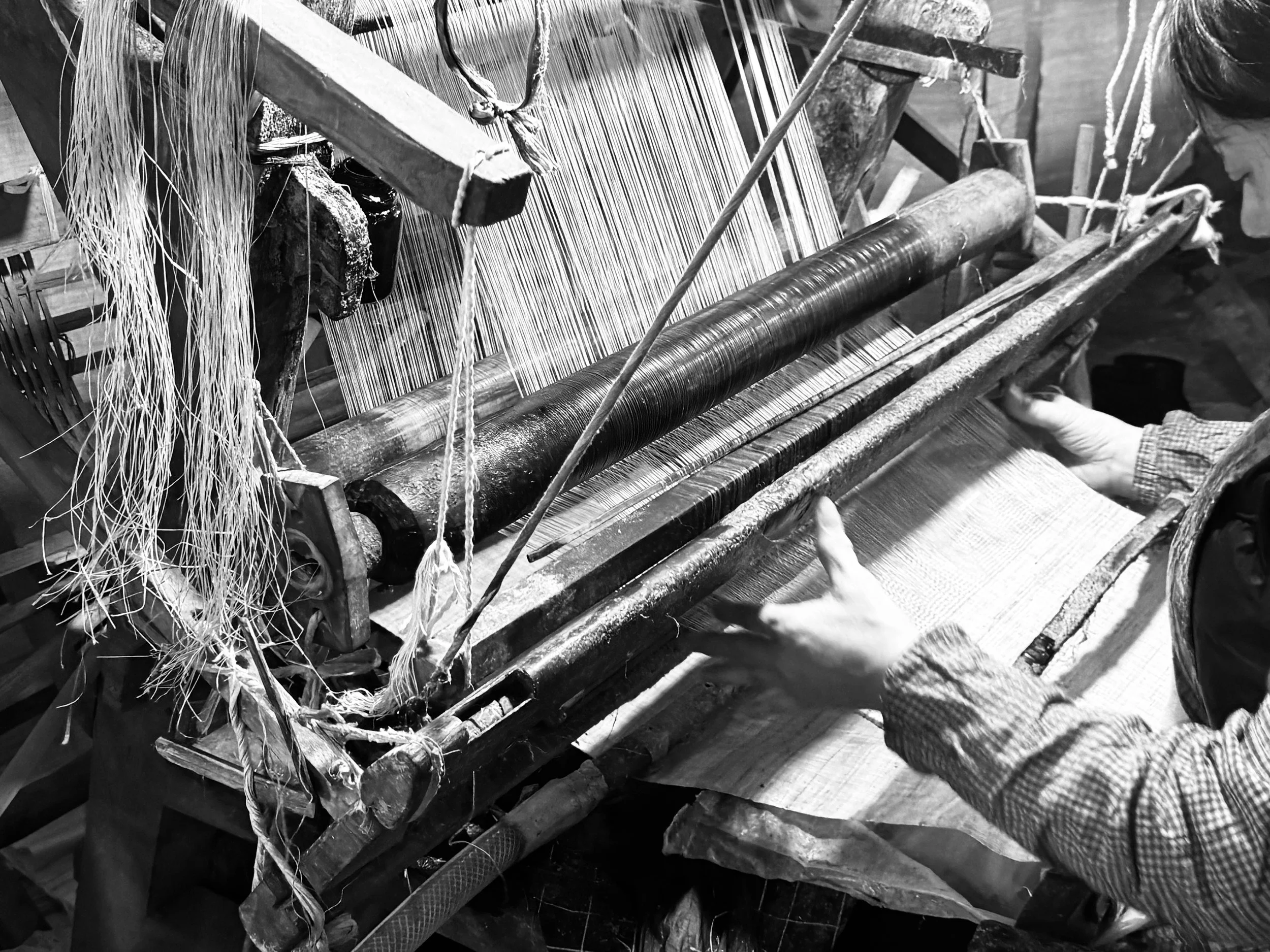
The ramie fabric is woven by hand on a traditional narrow loom. Due to the natural rhythm and limitations of traditional hand weaving, the side edges may not be perfectly straight or machine-cut. Slight waviness, uneven edges, slubs, irregular threads, and subtle variations in fabric width or thickness are normal characteristics of authentic handwoven ramie and should not be considered defects.
A handmade full-length noren from our Moment Series, crafted from handwoven natural ramie fabric and dyed with plant-based color using a traditional katazome paste-resist process.
The Moment Series is inspired by Edo-period Japanese shopfront noren culture, when fabric curtains served as signage, shade, dust protection, visual privacy, and a soft marker between public and private space.
This piece is inspired by the quiet ritual of a Japanese bathhouse. Each panel features three simple motifs: rippling water beneath a bath ladle, a steaming wooden soaking tub, and a small bathing stool. Arranged vertically in a loose woodblock-print-inspired composition, the images capture the calm rhythm of bathing—drawing water, settling into warmth, and pausing in the stillness afterward.
The design feels graphic and playful while maintaining a quiet, restorative mood. Rather than recreating a literal bathhouse scene, it suggests the atmosphere through a few familiar objects and gestures, bringing a subtle sense of warmth, water, and everyday ritual into the space.
This noren can be used for a bathroom doorway, dressing area, bedroom entrance, hallway, linen closet, spa room, home sauna, bathhouse-inspired interior, restaurant entrance, retail doorway, or as a decorative wall textile. Its full-length format creates greater privacy and visual separation while still allowing light and air to move gently between spaces.
This piece is created using katazome, a slow and highly detailed paste-resist dyeing technique. Before dyeing, a soybean-based resist paste is carefully applied over the motif areas. The paste prevents those sections from absorbing the botanical dye, allowing the natural off-white tone of the ramie fabric to remain visible against the plant-dyed background.
Unlike printed textiles, katazome requires multiple hands-on stages, including preparing and applying the resist paste, drying the fabric, dyeing, rinsing, and carefully removing the paste by hand. Slight variations in paste edges, color depth, and motif details reveal the handmade process behind every curtain.
The fabric is handwoven natural ramie, also known as Xia Bu. Ramie is a strong and breathable plant fiber with a dry, lightly crisp texture and an architectural yet relaxed drape. Its visible fiber lines, slubs, subtle changes in thickness, and irregular weave give the curtain a natural and tactile presence.
Details
Moment Series full-length noren
Handmade two-panel doorway curtain
Handwoven natural ramie Xia Bu fabric
Plant-dyed using the katazome paste-resist technique
Soybean-based resist paste applied before dyeing
Natural ramie motifs against a plant-dyed background
Woodblock-print-inspired Japanese bathhouse motif
Features rippling water and bath ladle, steaming wooden tub, and bathing stool
Size: 28.5” W × 59” L
Two-panel split design
Flat top rod pocket
Lightweight, breathable, and semi-sheer
Top and bottom edges are sewn; side edges retain their natural handwoven finish
Each piece has natural variations in color, paste lines, weave, texture, and shape
Care
Keep away from open flame and high heat.
Professional dry clean only.
Do not machine wash or tumble dry.
Do not scrub, rub aggressively by hand, or use chemical detergents.
For daily care, a neutral fabric disinfecting spray may be used.
Iron gently on a low setting.
Please Note
Because this piece is handmade, handwoven, plant-dyed, and created using a traditional katazome paste-resist process, slight variations in color, texture, motif placement, dye depth, and paste-resist edges are expected. Each curtain is one of a kind.
The ramie fabric is woven by hand on a traditional narrow loom. Due to the natural rhythm and limitations of traditional hand weaving, the side edges may not be perfectly straight or machine-cut. Slight waviness, uneven edges, slubs, irregular threads, and subtle variations in fabric width or thickness are normal characteristics of authentic handwoven ramie and should not be considered defects.

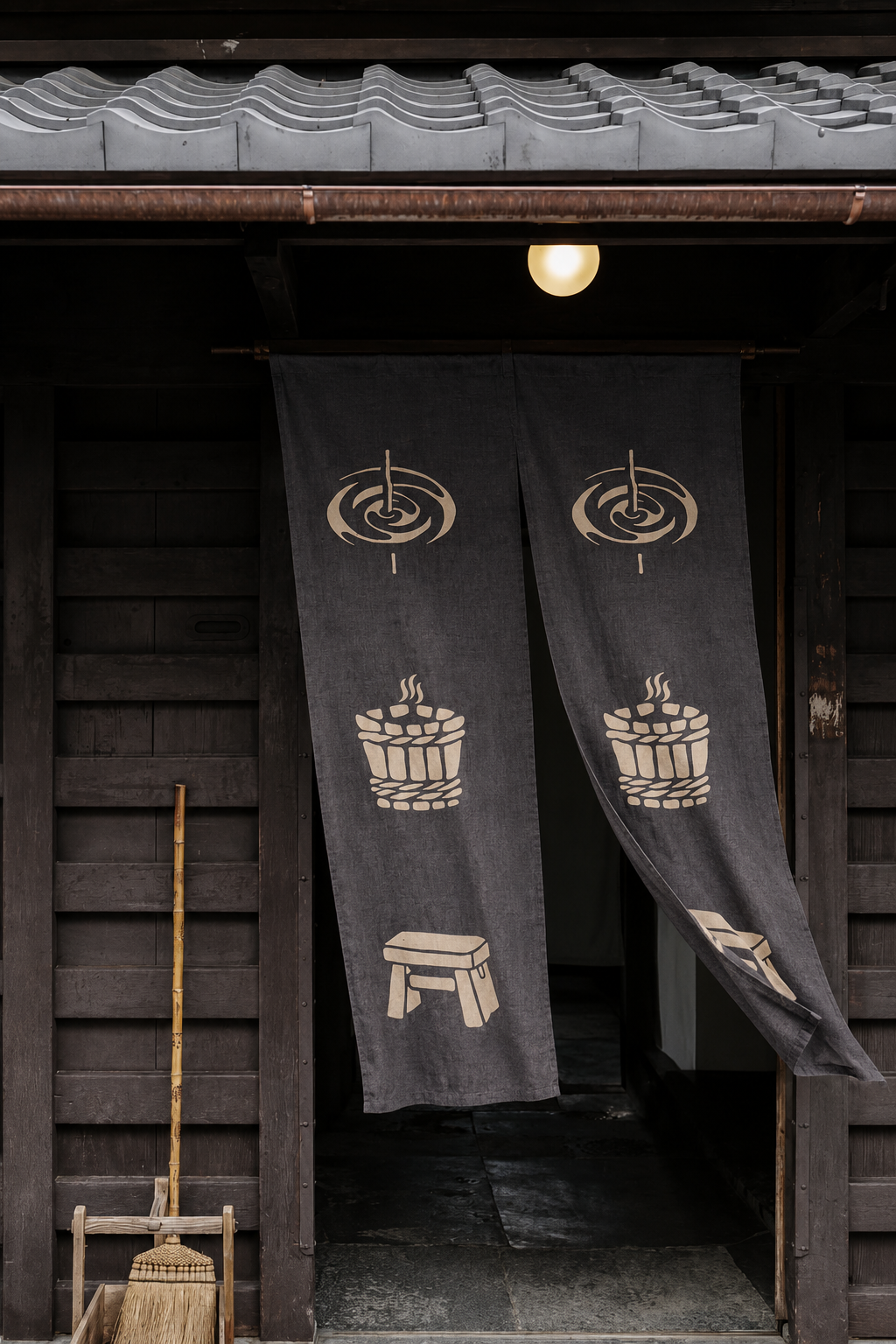 Image 1 of 12
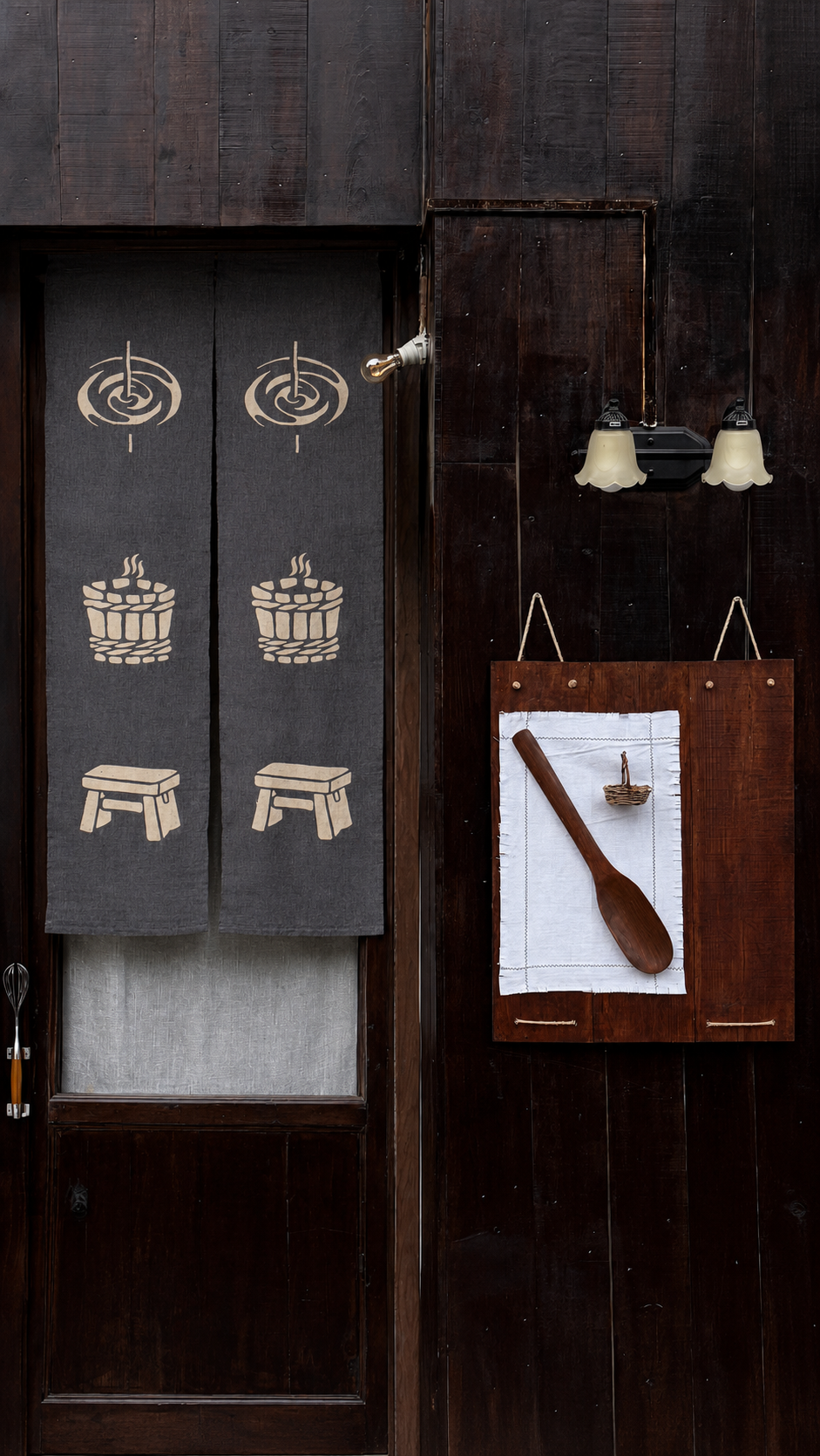 Image 2 of 12
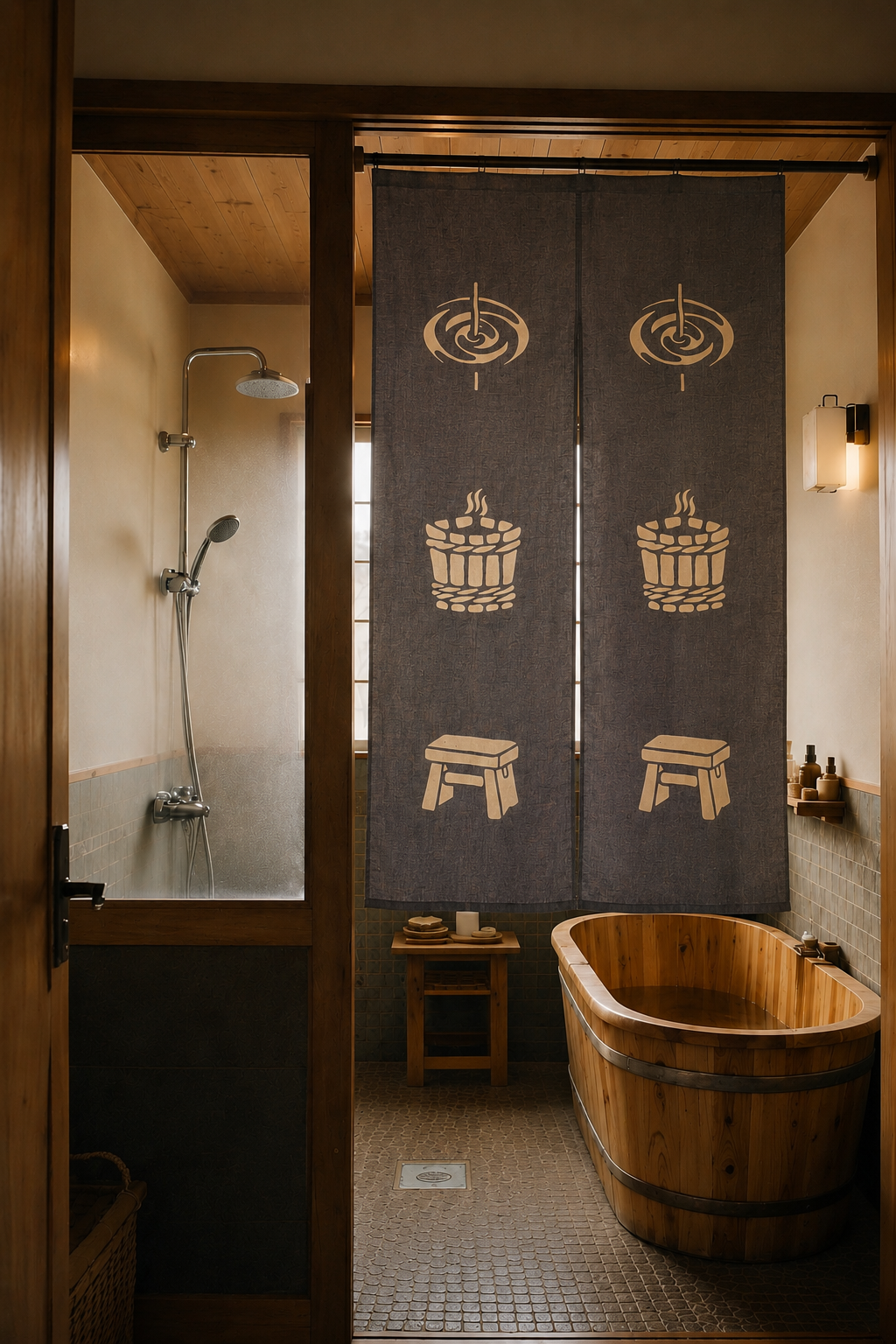 Image 3 of 12
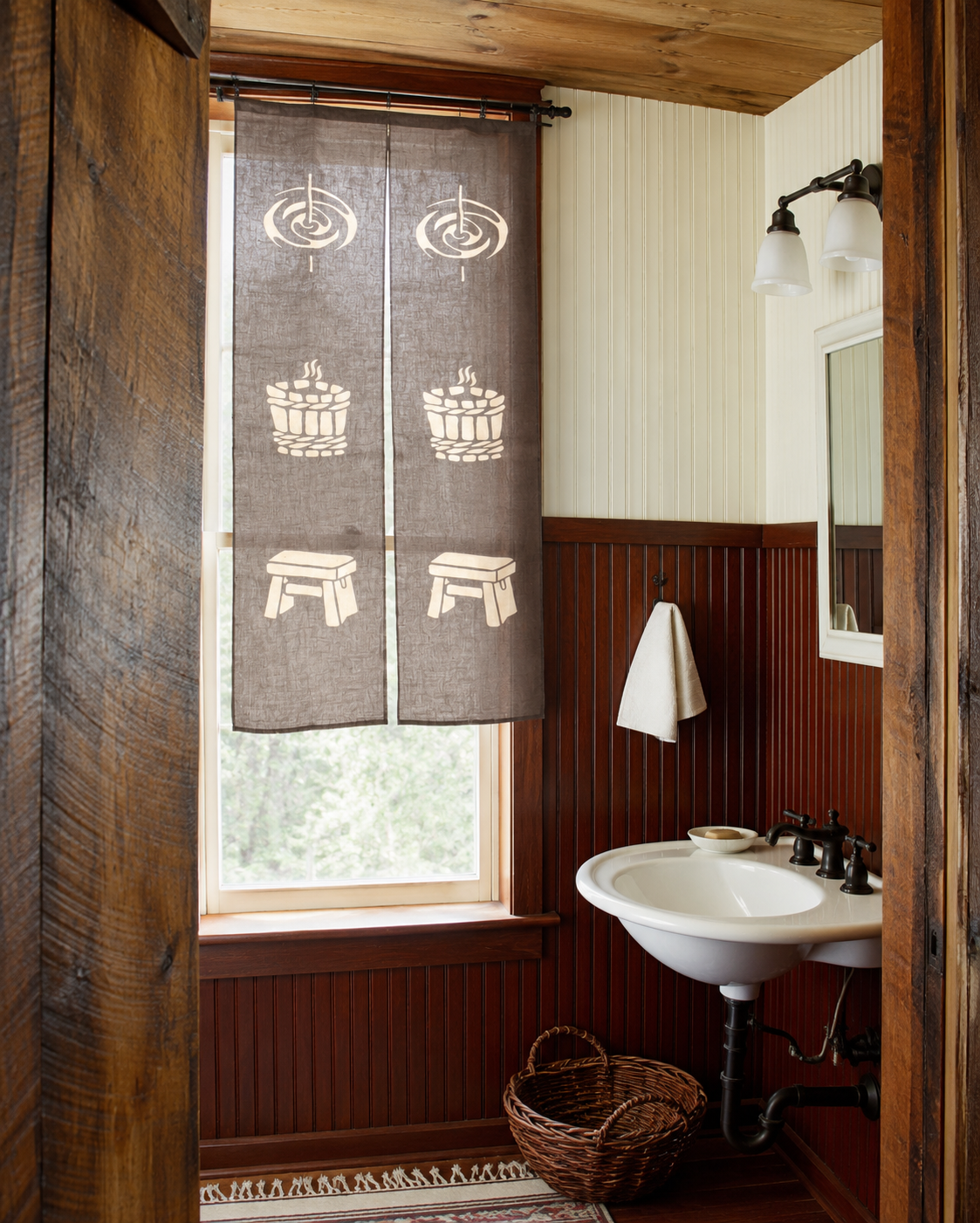 Image 4 of 12
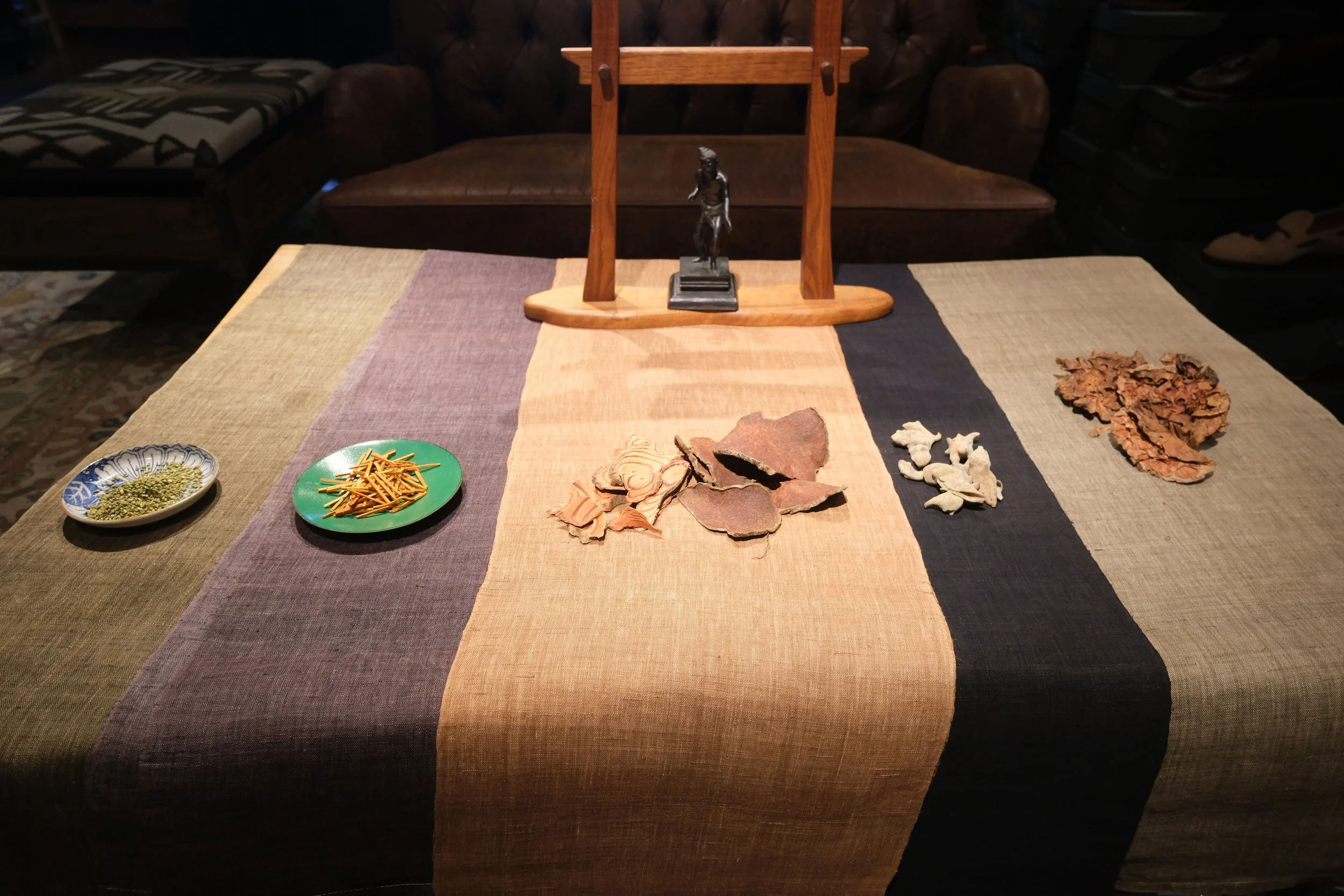 Image 5 of 12
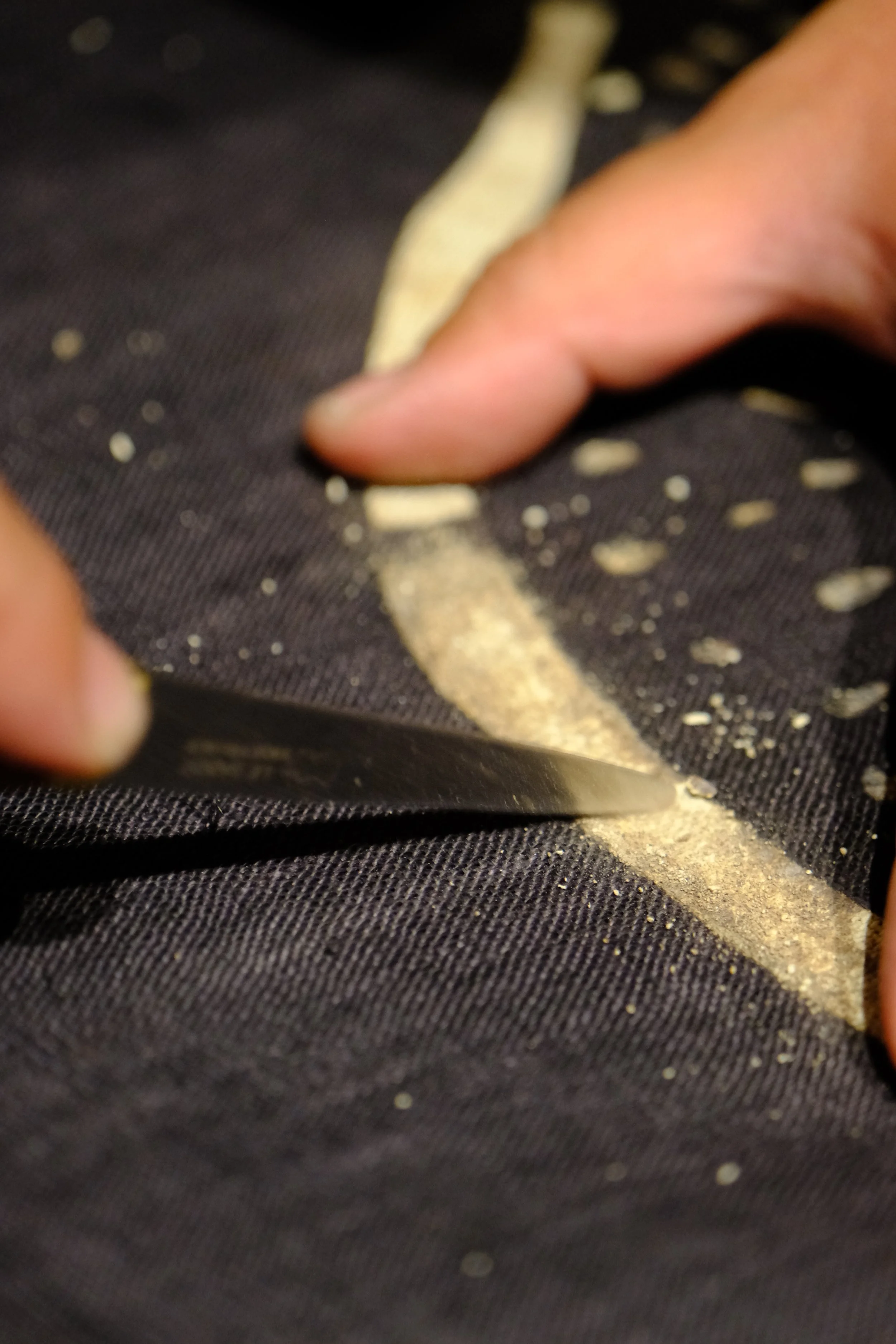 Image 6 of 12
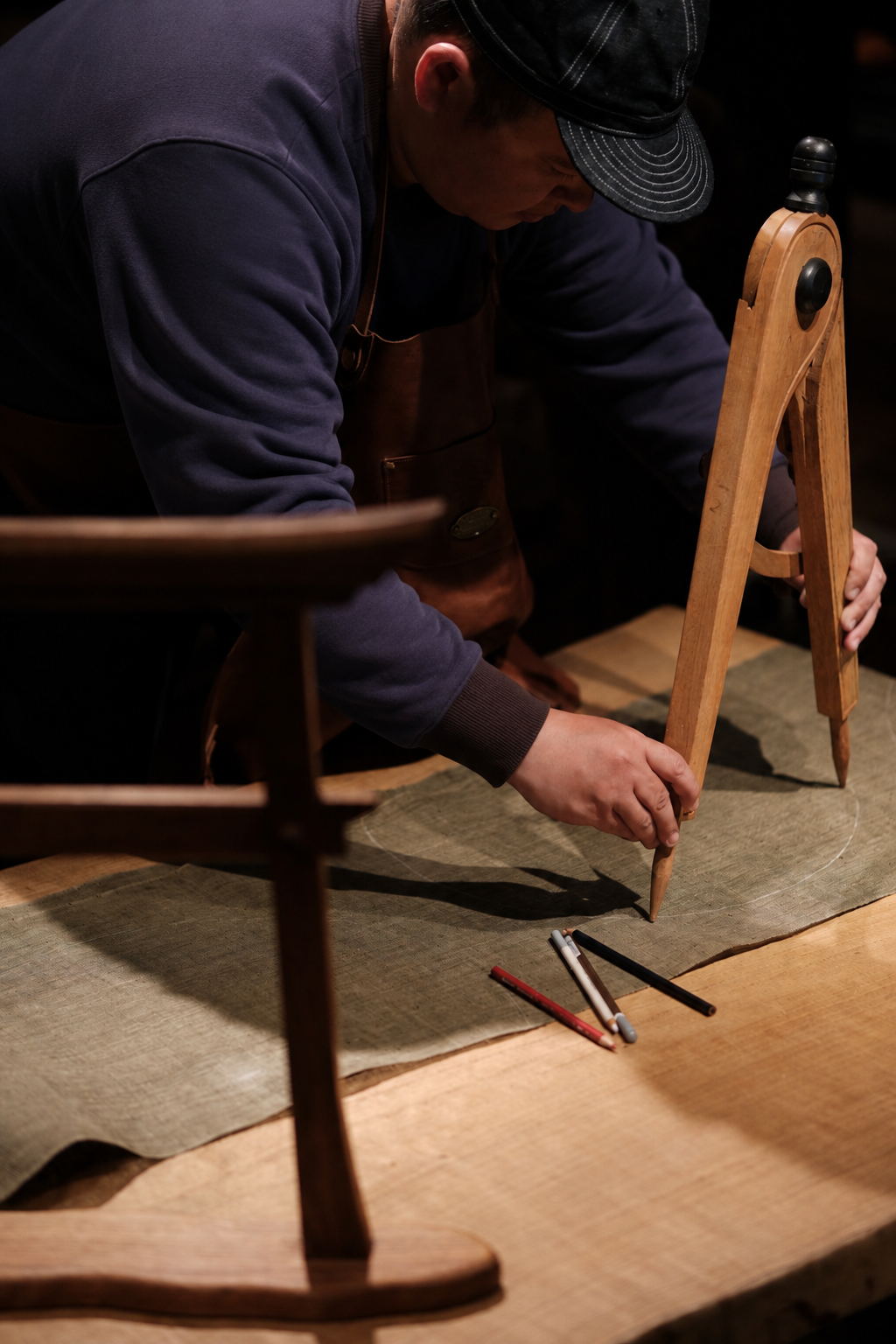 Image 7 of 12
 Image 8 of 12
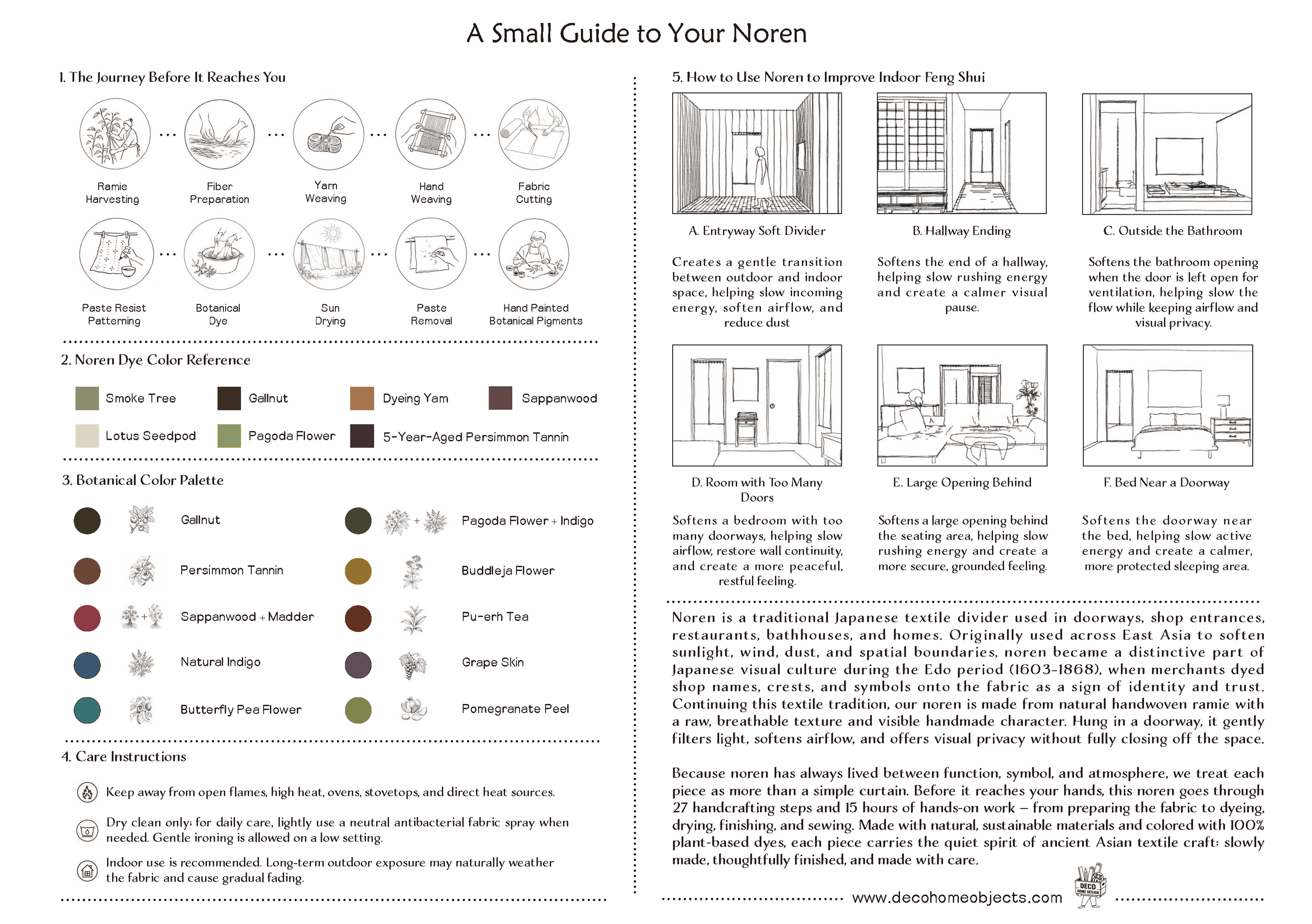 Image 9 of 12
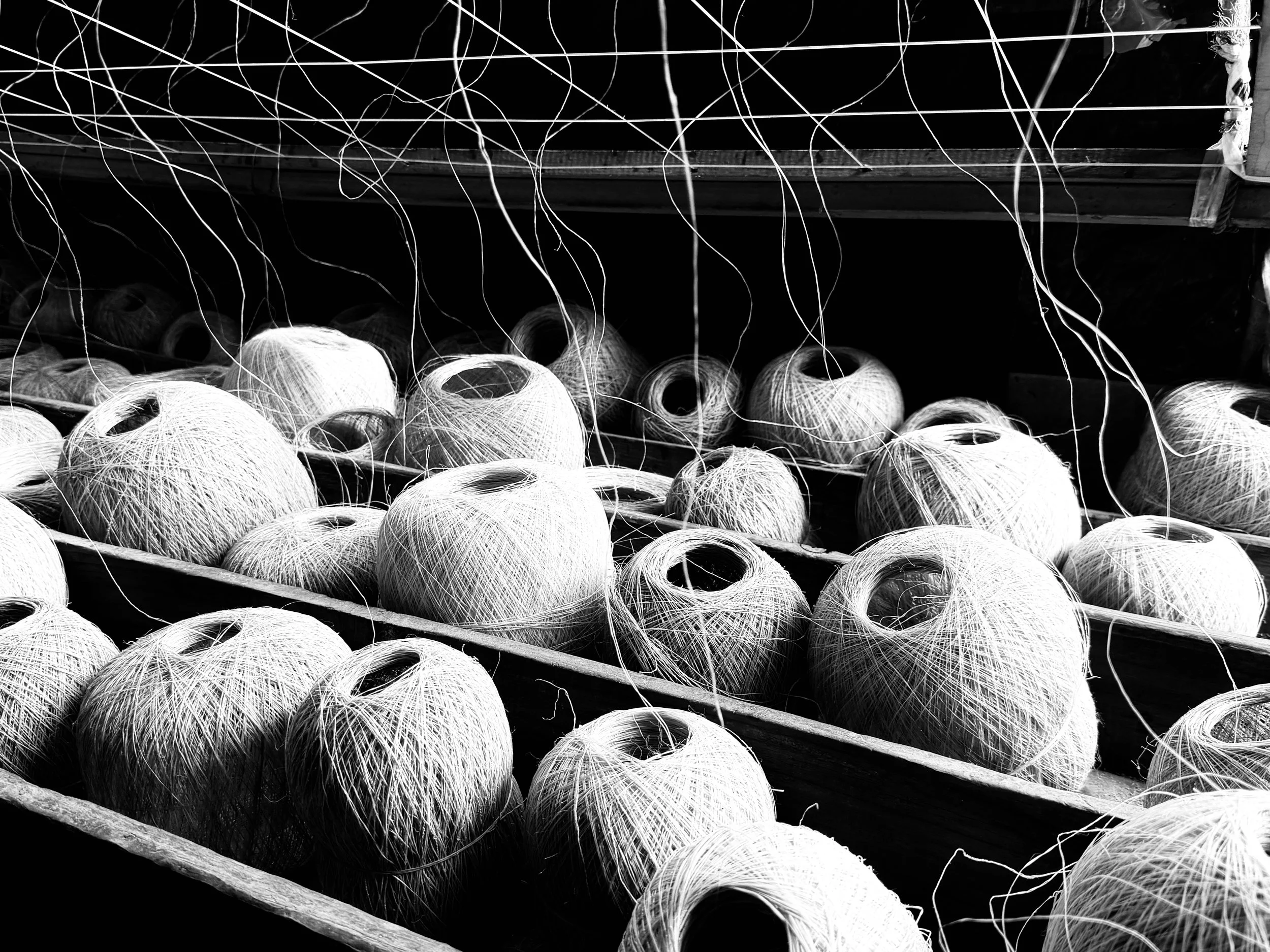 Image 10 of 12
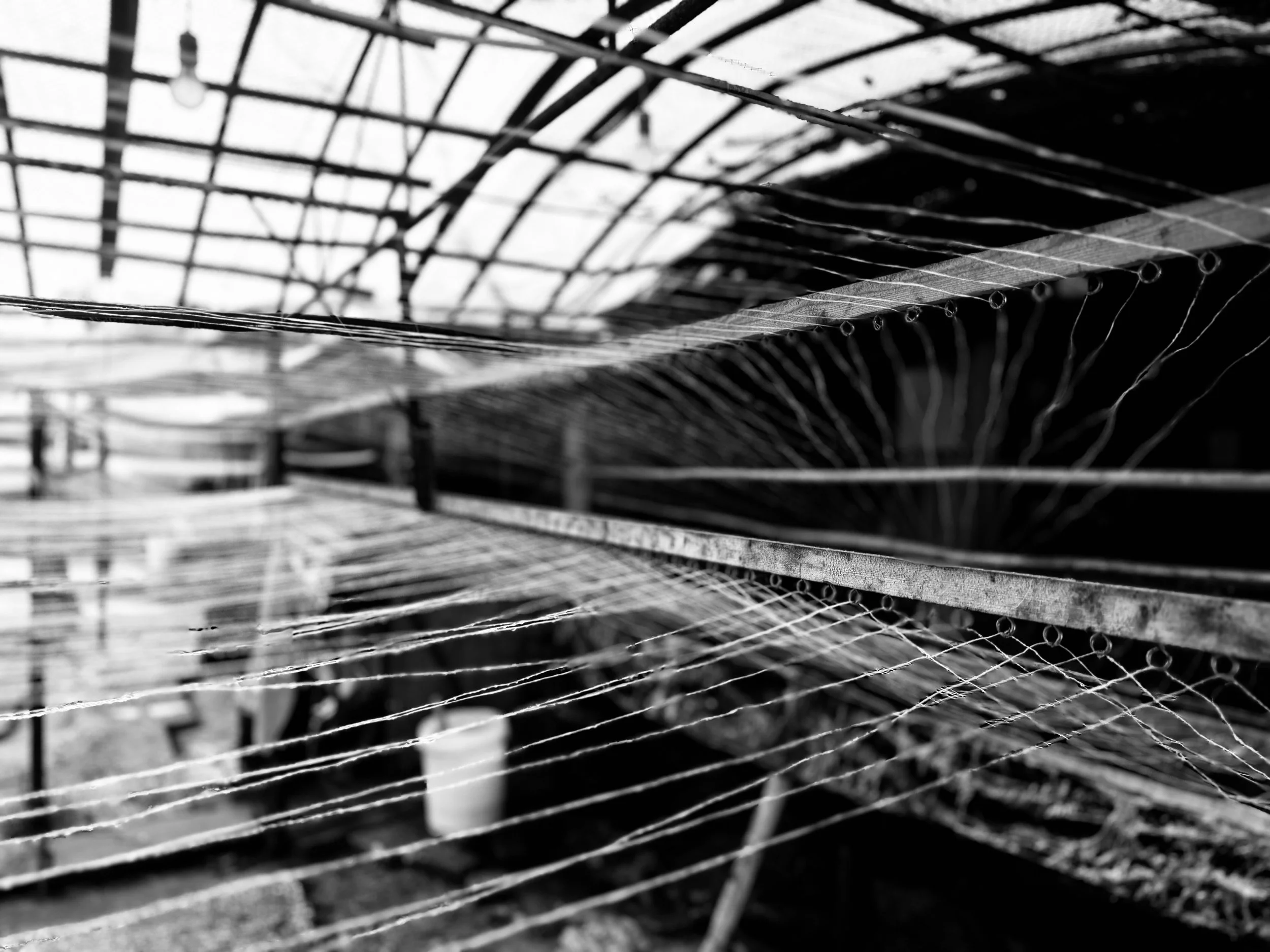 Image 11 of 12
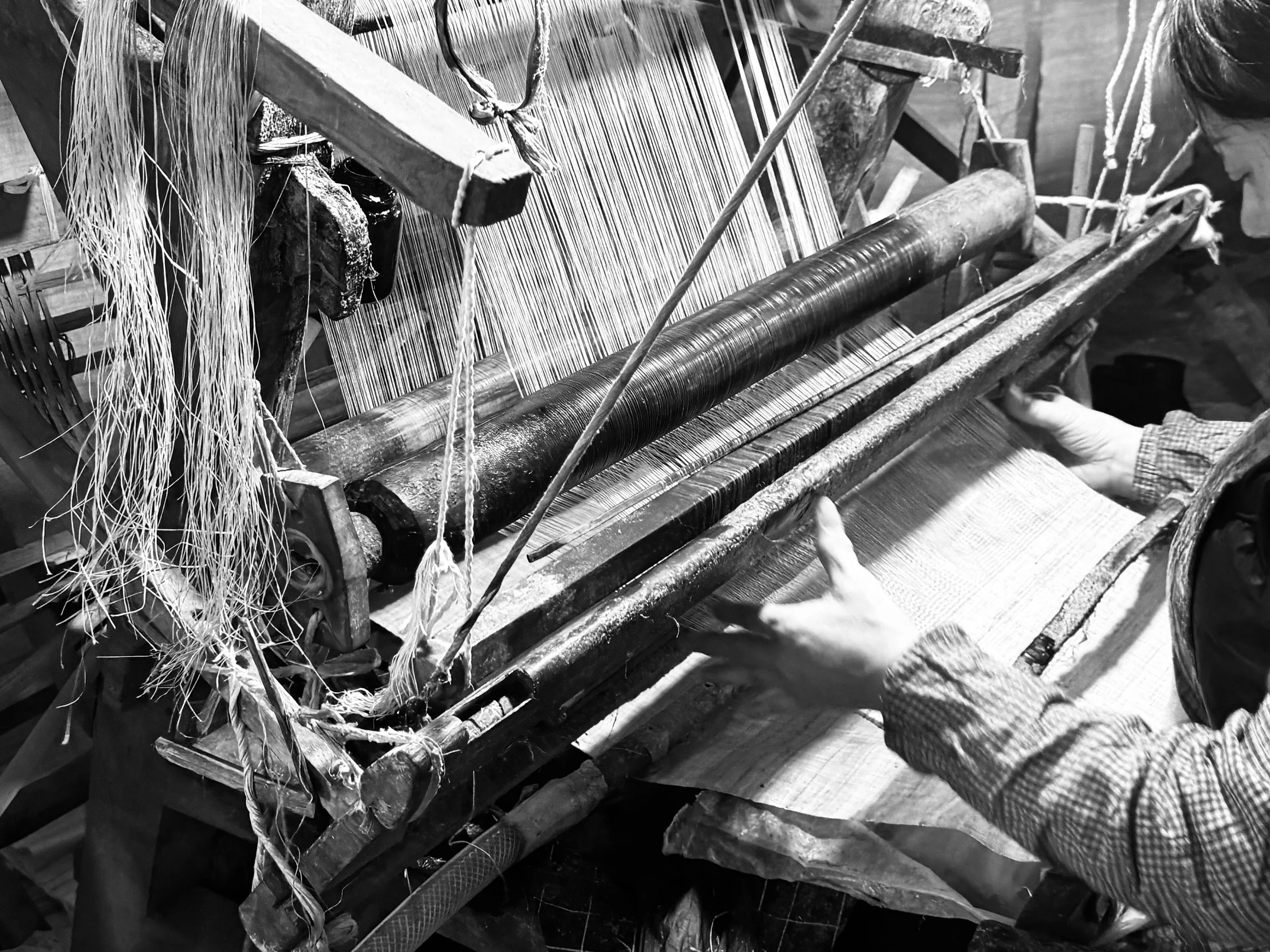 Image 12 of 12